On Monday, New Jersey Governor Phil Murphy signed a new bill into state law that sets a precedent for e-bikes in the state. New Jersey’s most recent bill requires e-bike riders to have a license, register their e-bike, and insure it. You can read the bill in its entirety here.
And this applies to all e-bikes in the state.
Where Does This Stem From?
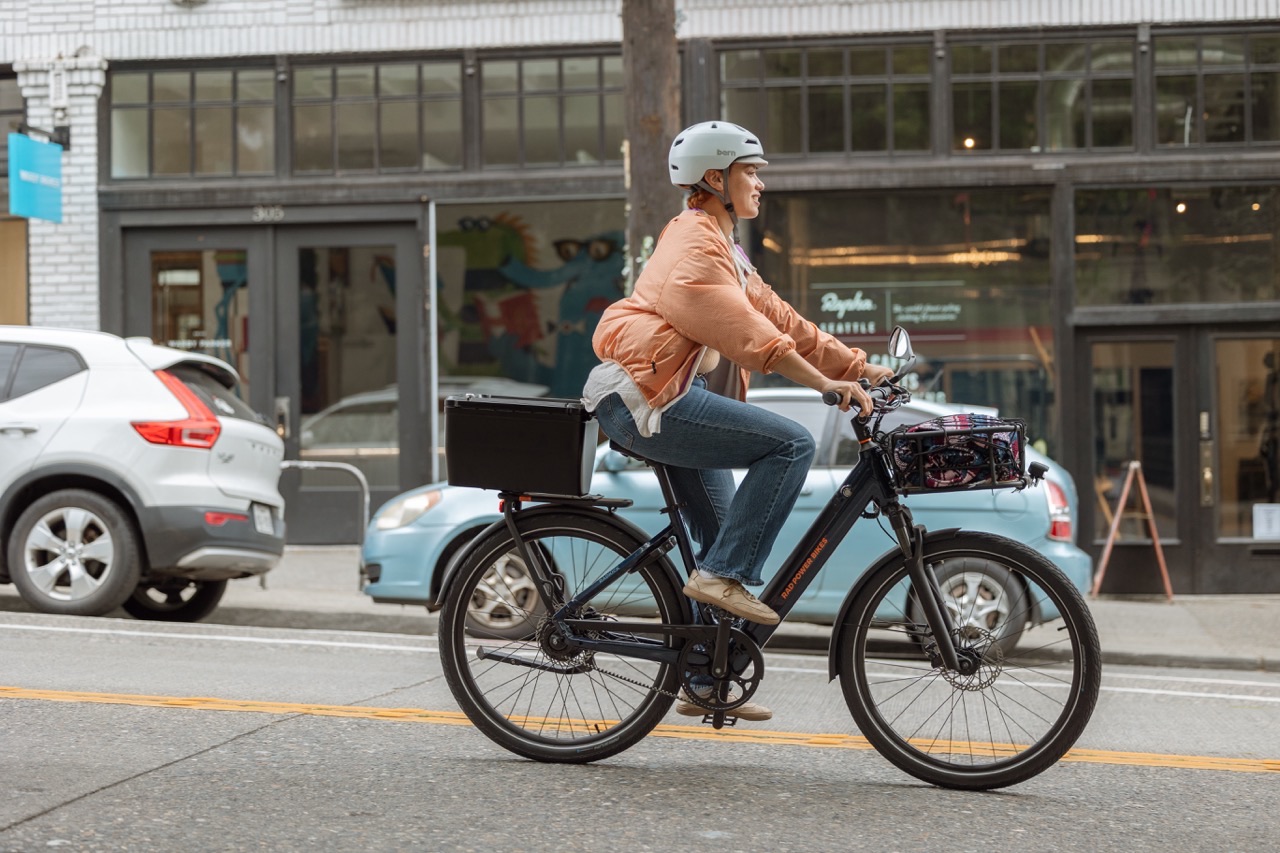
Over the last handful of years, “e-bikes” have been much more prominent in local and even national news. But, generally not for good reasons.
Story after story of e-bike-involved incidents were reported regularly, many of them involving teens and younger people. The circumstances around these incidents were sometimes vague, but often involved collisions with other pedestrians, cyclists, and motorists.
In the most unfortunate cases, those involved in the accident lost their lives. The bill was inspired in part by the recent death of a 13-year-old involved in a crash on an e-bike.
E-Bike Classification and Confusion
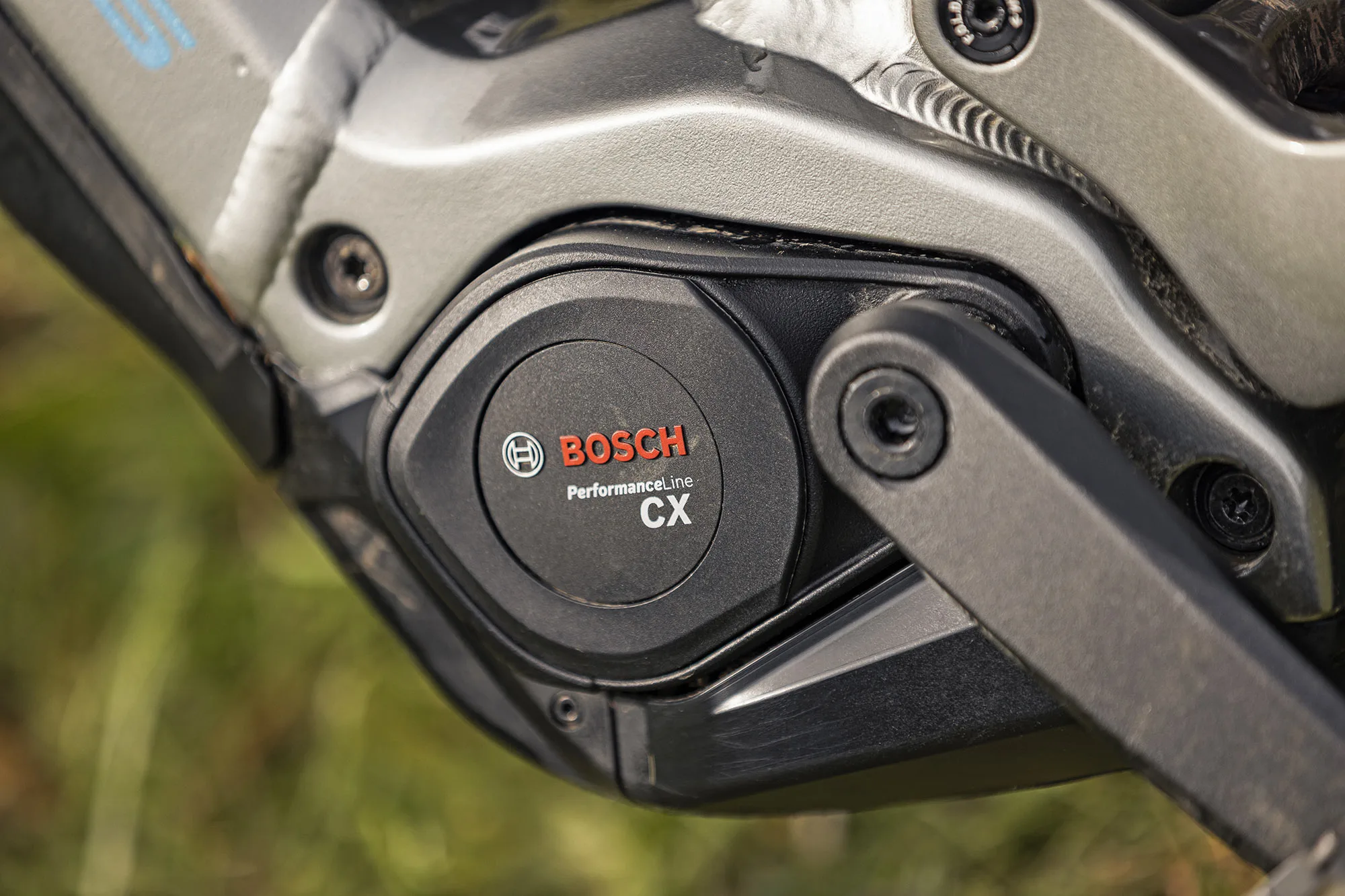
While the details in some of the news stories aren’t exactly clear, opponents of the bill often point to the “e-bikes” involved in the incidents. They argue that many of the electric bikes involved are not bikes at all. Rather, they are electric motorcycles, or e-motos.
While definitions can vary from state to state, the United States has adopted the 3-class system for e-bikes.
- Class 1: pedal assist only up to 20MPH
- Class 2: pedal assist and throttle up to 20MPH
- Class 3: pedal assist only up to 28MPH
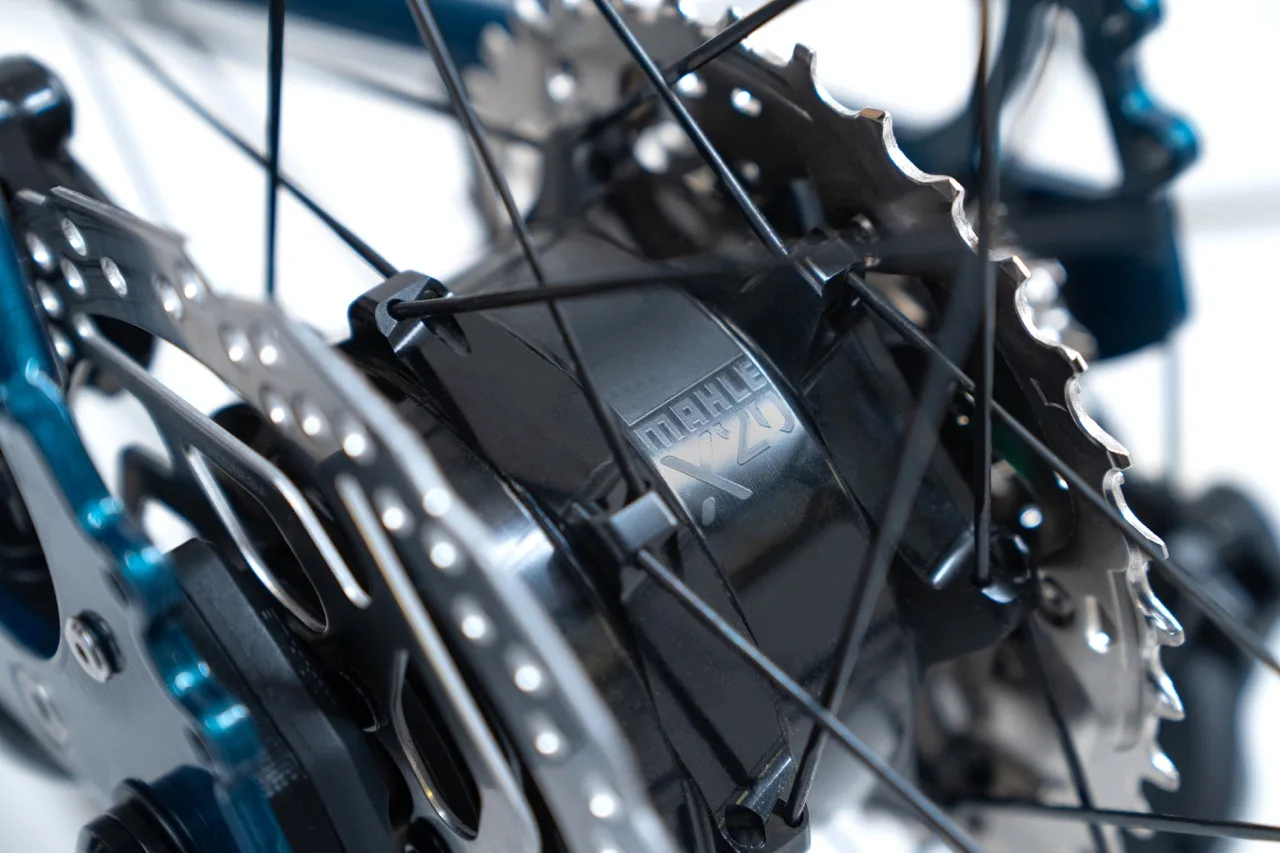


This is the e-bike classification system here in the States. We often hear of different trail systems opening to class 1 e-bikes, or see different e-bikes being used to commute back and forth to work.
However, what often gets left out of the classification system is the limitation on power output. Across all three e-bike classes, power output limits are in place. Class 1, 2, and 3 e-bikes output no more than 750 watts. This is an important distinction to differentiate between e-bikes and e-motos.
Many of the “e-bikes” involved in these tragic incidents across the country far exceed the 750W limit. Often, the max power output of these can reach 4,000W or more. This is significantly more powerful than the class 1 e-bike you may roll your eyes at on your local trails.

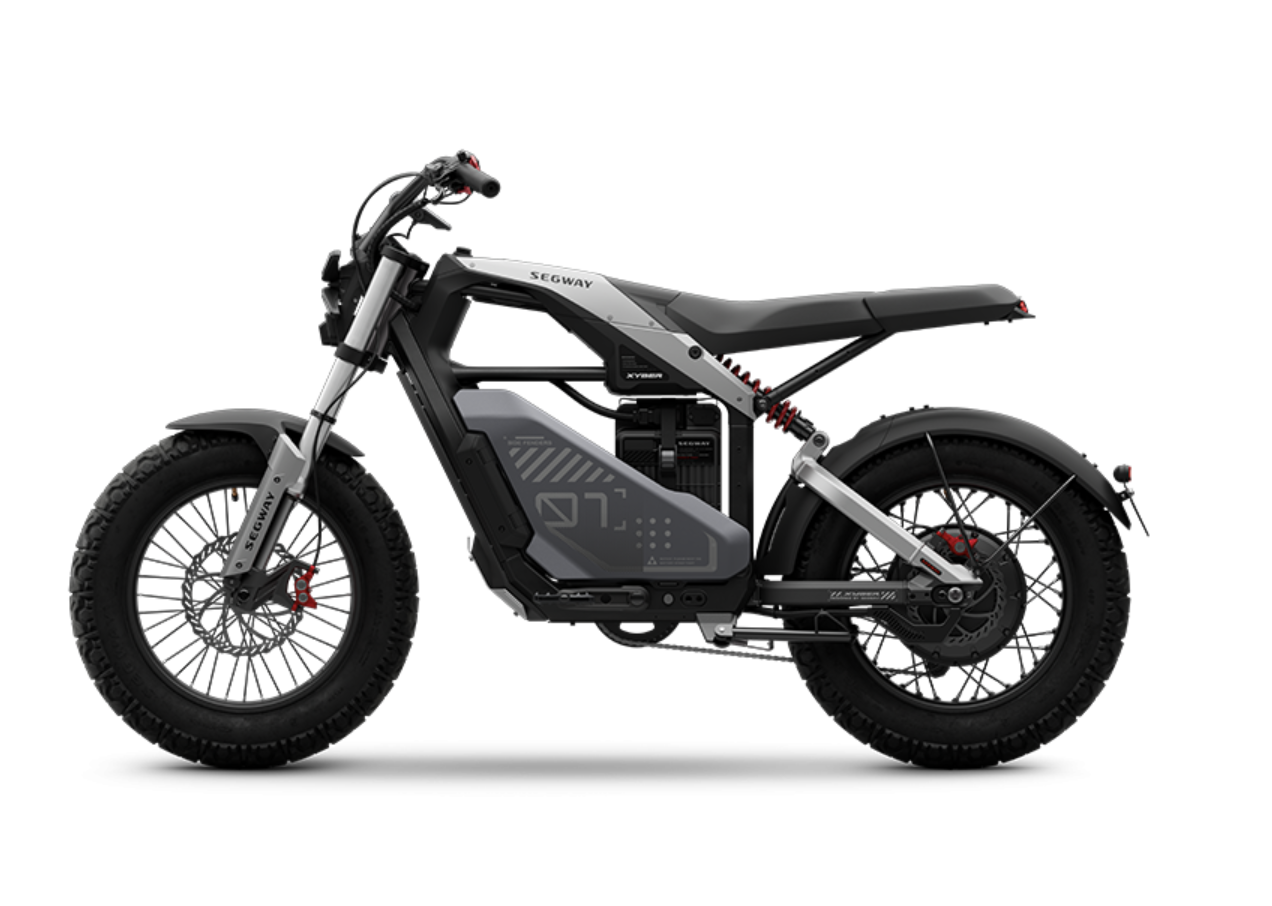
Many argue that “electric bikes” exceeding the designated 750W aren’t e-bikes at all, labeling them as e-motos. However, the term “e-bike” is still used as a catchall for these machines, lumping bikes like a Ridley E-Noah with 200W of power in with a Segway Xyber with 6,000W of power.
And the claim is that this is intentional. Parents will be much more hesitant to buy an “e-moto” for their 14-year-old than an “e-bike.” While brands like Segway have website copy stating that the Xyber is “for off-road use,” finding it requires website visitors to click the “E-Bike” tab at the top of the screen. Plus, all the imagery and branding show the e-moto being ridden on pavement.
And it is these e-motos that we are seeing involved in many accidents across the country. Well, probably not the $3,000 Segway Xyber, but rather the $600 Amazon special.
A New Law in New Jersey

So, what is what? With everything lumped together, New Jersey is keeping it that way under its new law.
To operate a bicycle with electric assist, you must now register and insure the bike in the state of New Jersey. This means the 6,000W Segway, as well as the 200W Ridley.
Also, those operating an e-bike must have a license. If you are age 15 or 16, you can get a motorized bicycle license from the New Jersey Motor Vehicle Commission. If you are 17 or over, a regular driver’s license will suffice.
For those under 15, sorry, no e-bikes for you. The new bill also pauses online purchases for the next year.
It appears that New Jersey residents will have some time to comply with the new law. Some reports said six months, while others said a whole year. It is also unclear if this requirement applies to class 1 e-bikes ridden off-road or at an e-bike legal trail system. Many fear this is just the beginning, with other states potentially accepting similar legislation. Bicycle advocacy groups are already pushing for amendments to the New Jersey law, attempting to better distinguish between “e-bike” and “e-moto.”
The post New Jersey Law Now Requires License, Registration, and Insurance for E-Bikes appeared first on Bikerumor.