As one of the most successful nations in Olympic figure skating history, Team USA’s women’s figure skaters continue to make a lasting impact on the sport across all levels of competition. Starting in the 1950s, the US has produced seven women’s singles Olympic gold medalists — and several athletes who shaped the sport without ever winning gold.
From mid-century pioneers like Tenley Albright to Gen Z heroes like Amber Glenn, these are the 10 most important Olympic women’s figure skaters in Team USA history.
Team USA’s Top Women’s Figure Skaters
Tenley Albright
Tenley Albright contracted polio at age 11, subsequently defying the odds by winning Olympic silver at the 1952 Oslo Games. Four years later in Cortina, she sliced her ankle to the bone in practice days before competition but skated through the injury, becoming the first US women’s figure skater to win Olympic gold. Albright also captured figure skating’s first-ever triple crown, winning the World, North American, and United States ladies titles in a single year.
Going on to become the first woman to serve as a United States Olympic Committee officer, Dr. Albright was later named one of Sports Illustrated’s 100 Greatest Female Athletes.
Carol Heiss
At just 15, Carol Heiss placed second behind trailblazer Tenley Albright at the 1955 World Championships. However, she went on to flip the script, taking the Worlds title from 1956 until 1960.
She similarly won silver behind Albright at the 1956 Cortina Games, before returning to win gold at the 1960 Squaw Valley Games. Though she retired shortly after winning gold, Heiss’s international run of dominance cemented her as one of the most consistent performers in the sport’s history.
Peggy Fleming
When a plane crash killed the entire US figure skating delegation en route to the 1961 World Championships, the athletes that remained were forced to rebuild the sport from scratch. And 19-year-old Peggy Fleming became the face of Team USA’s rebuilding.
Flemming won gold at the 1968 Winter Games in Grenoble — the first Olympics broadcast live and in color to a worldwide audience. Capturing both the public’s eye and the sport’s top honor, Flemming’s feat restored the U.S. program and turned women’s figure skating into a top spectator event.
Dorothy Hamill
When Dorothy Hamill won gold at the 1976 Innsbruck Games, it brought something new to the sport: a skater the everyday fan could root for. Her signature wedge haircut became one of the most imitated styles of the decade. She also introduced the Hamill Camel — a spin variation that became part of skating’s technical vocabulary — and sparked a youth figure skating boom across the entire United States.
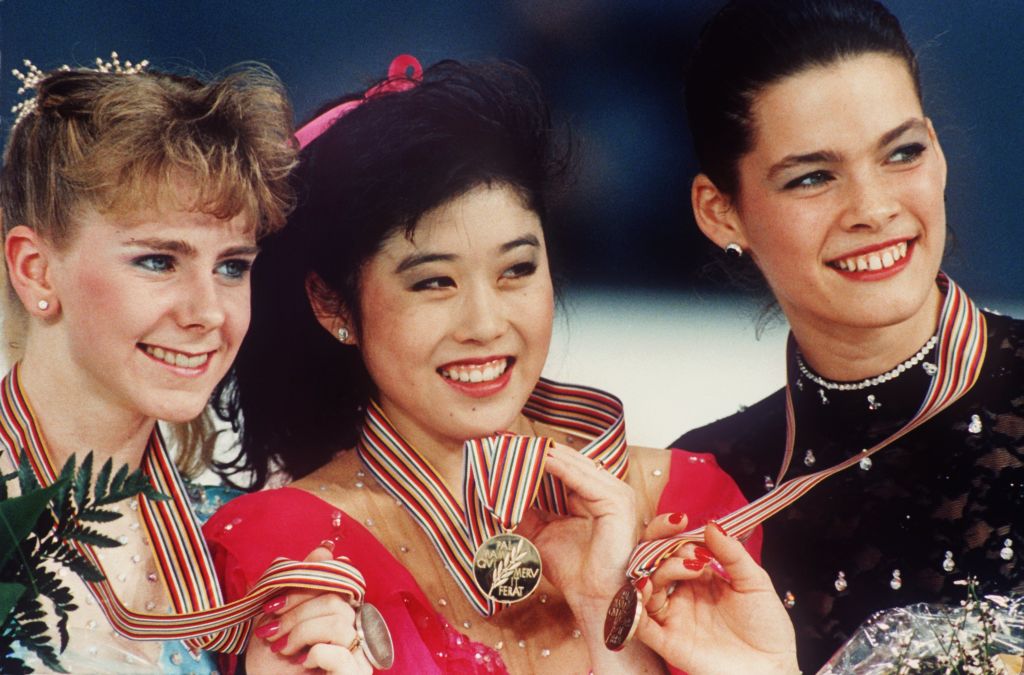
Kristi Yamaguchi
A mid-90s household name, Kristi Yamaguchi took gold at the 1992 Winter Olympics, making her the first Asian-American woman to win an Olympic figure skating medal. The cultural milestone subsequently opened doors for the next generation.
That 1992 win saw Yamaguchi overcome one of the deepest fields in Olympic history, beating a lineup that included the first and second women to ever land triple axels in competition: Japan’s Midori Ito and fellow US star Tonya Harding. The 21-year-old was reportedly inspired by her childhood hero, as legendary figure skater Dorothy Hamill approached her backstage to wish her luck — moments before Yamaguchi pulled of her gold medal-winning run.
Nancy Kerrigan
Nancy Kerrigan overcame extraordinary adversity to win silver at the 1994 Lillehammer Olympics — just weeks after being attacked at the US Figure Skating Championships. While her bronze medal at the 1992 Albertville Games established her as an elite figure skating competitor, her 1994 comeback defined her legacy on and off the ice.
Kerrigan’s grace under pressure and technical precision — particularly her signature spiral sequences — inspired millions and propelled figure skating into mainstream consciousness during one of the sport’s most scrutinized and memorable eras.
Michelle Kwan
Michelle Kwan stands as the most decorated figure skater in US history. Despite never winning Olympic gold, Kwan captured silver at the 1998 Nagano Games and bronze in 2002, all the while revolutionizing creative expression in women’s figure skating.
Her five world championship titles and nine US national championships represent unparalleled consistency and dominance across more than a decade of elite competition. Kwan’s lyrical style and emotional depth transformed artistry expectations, influencing generations of skaters who followed.
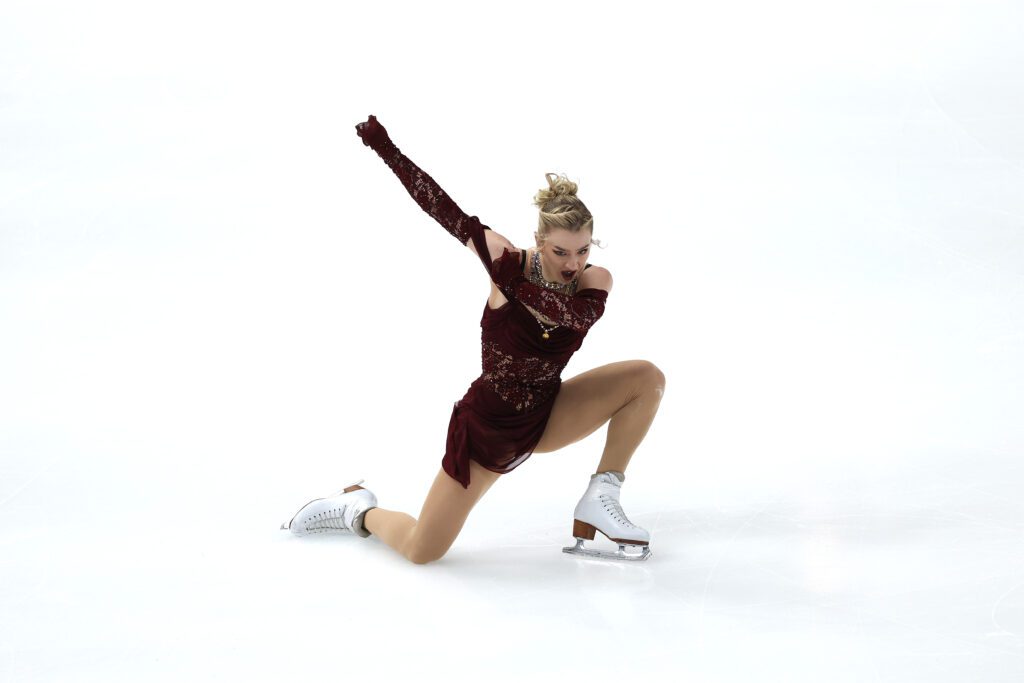
Tara Lipinski
At just 15, Tara Lipinski etched her name in Olympic figure skating history by becoming the youngest individual gold medalist at any Winter Olympics. Her groundbreaking triple loop-triple loop combination in the 1998 Nagano Games pushed the limits of the sport’s physical boundaries. Lipinski’s victory over favorite Michelle Kwan marked a generational shift in women’s figure skating, as the field turned toward younger, more technically ambitious athletes. Currently a commentator for the 2026 Winter Olympics, Lipinski also remains the youngest world champion in history, winning the 1997 title at age 14.
Sarah Hughes
Sarah Hughes claimed gold at the 2002 Salt Lake City Olympics with a stunning free skate performance, rallying from fourth place after the short program to become the third US women’s figure skater to ever win Olympic gold.
Hughes’s calm under pressure — landing two triple-triple combinations — proved that artistic form and technical excellence could coexist at the highest level. And her upset victory over favorites Michelle Kwan and Irina Slutskaya continues to rank among the sport’s most memorable Olympic moments.
Amber Glenn
The first athlete to win three consecutive US national championships since Michelle Kwan, Amber Glenn represents figure skating’s modern era. The 26-year-old Texas native also became the oldest US women’s singles competitor in 98 years when she took the ice at this year’s Winter Games.
Known for her athletic prowess — and consistently landing triple Axels in international competition — Glenn has emerged as an important voice for inclusivity as an openly queer athlete advocating for greater representation and equity in the sport. Furthermore, Glenn’s perseverance through years of near-misses before finally capturing her first national title in 2024 epitomizes her dedication to the future of figure skating.
The post The 10 Most Important U.S. Women’s Figure Skaters in Olympic History appeared first on Just Women's Sports.