It’s been almost two years to the date that I first reviewed Salsa Cycles all-mountain eMTB, the Moraine. That Moraine I tested almost two years ago was an amazing bike that I pined over for almost as long, I mean, I really, really liked that bike. I gave it my Editor’s Choice Award and everything. So when Salsa sent me one of the new Moraine C XO AXS models to test, I was very excited. It looks great.
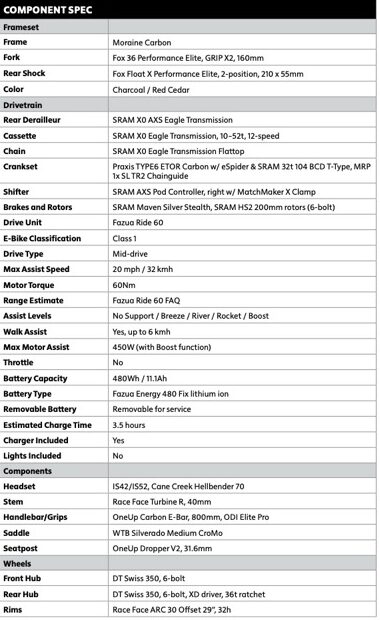
Out of the box, my test bike has some differences compared to the official spec sheet. That’s pretty common for early samples, so keep that in mind for this review. For now, we’ll go over how the bike rides and worry less about spec.
OK, let’s get right to it.
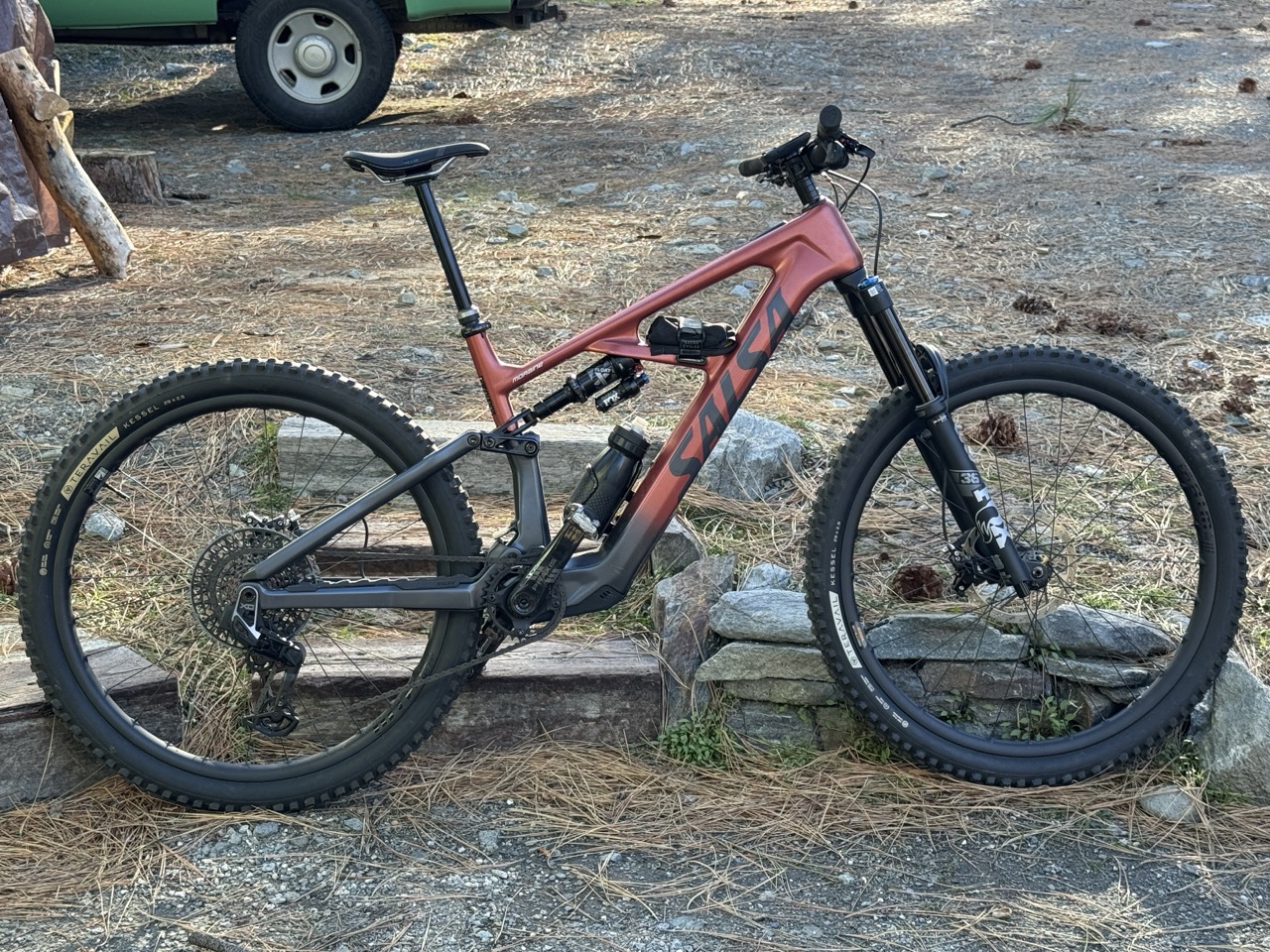
Salsa says that the Moraine is their “light electric” all-mountain bike. There are two models of the Moraine C: the top-end Moraine C XO AXS and the second-tier Moraine C Eagle 90. I received the Moraine C XO AXS in a size Large about two months ago.
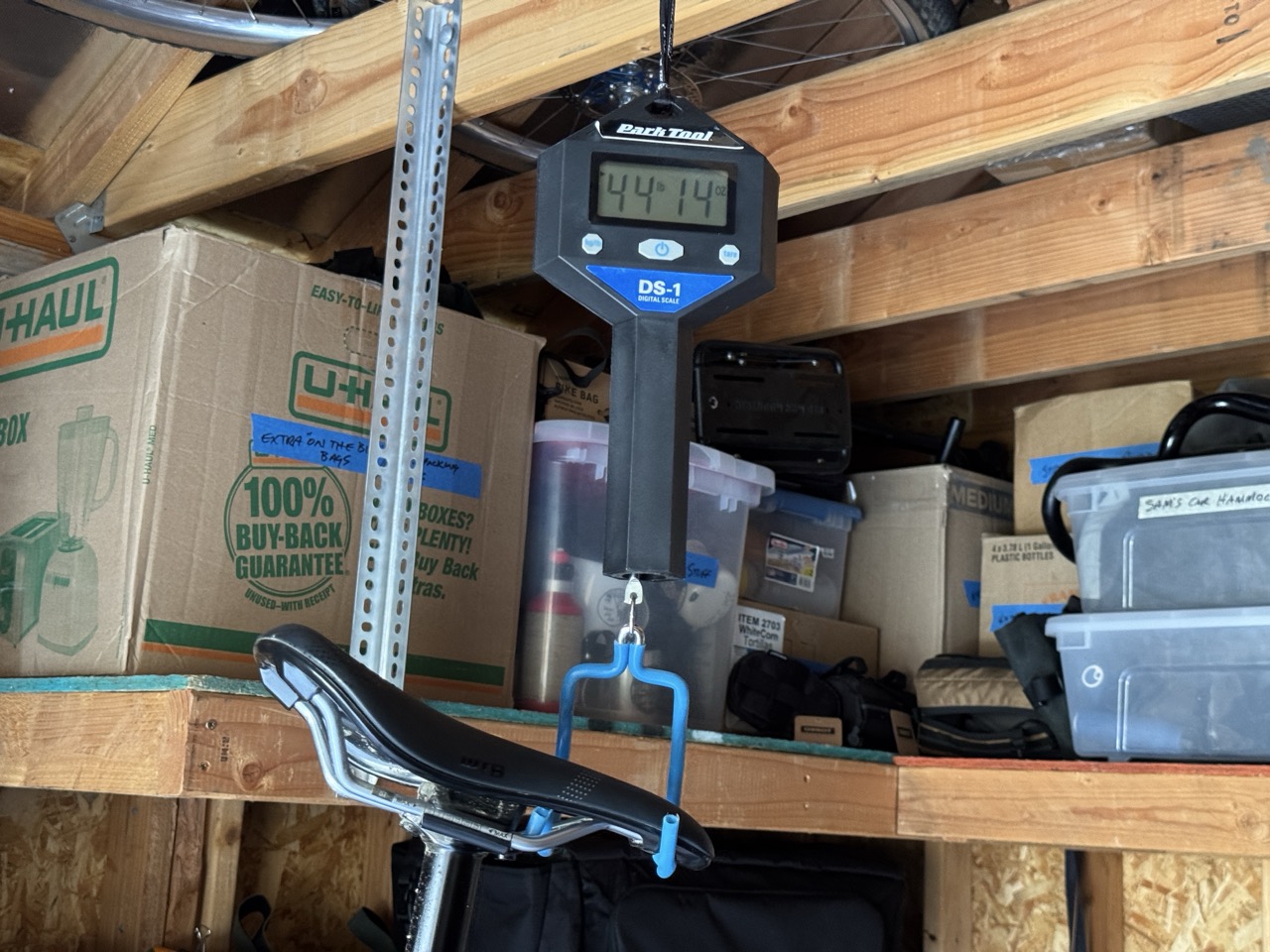
Salsa’s published non-size specific weight of 44lbs 3oz ends up being almost spot on with the large size Moraine C XO AXS I’m testing. Mine came out to 44lbs 14oz, with a Wolf Tooth bottle cage and my XTR pedals. That’s nearly 10 lbs less than the aluminum Moraine eMTB I reviewed before.
Let’s get the technical bits outta the way first.
Salsa Moraine C Tech Details
fDrive Unit: The Moraine uses the Fazua Ride 60 drive unit. It’s small, lightweight, and really quiet.
- 60Nm torque
- Class 1 (20mph/32kmh maximum assist)
- Custom-tuned for eMTB use
- The 480Wh (50 more than prior) FAZUA Energy 480 internal battery is fully enclosed in the downtube for stiffness, strength, security, and refinement
– Battery is removable for service
– Capable of up to 690Wh using 210Wh Fazua Energy range-extender battery - 9lb (4.1kg) system weight
- Fazua LED Hub on top tube for battery status and riding modes
– Bluetooth and ANT+ links to the Fazua app for customizing ride modes and displaying data
– USB-C port for charging devices - Updated Fazua Ring Control for intuitive ride mode selection
Fit & Handling: The Moraine is built to balance stability when descending, and pedaling efficiency while climbing.
- Comes in four sizes: SM, MD, LG, and XL
- Flip Chip for geometry tweaks
– 5mm of bottom bracket height adjustment
– .03-degree head angle adjustment - 145mm rear/160mm front suspension travel and flip chip in default “DEF” setting
– 63.9-degree head tube angle
– 77.4-degree seat tube angle
– 435mm chinstays
Frame & Fork Details:
- High-modulus carbon fiber frame (both front and rear triangle)
- 12 x 148mm Boost rear spacing
- 30.9mm seat post
- Internal cable and hose routing
- Frame protection on downtube, main pivot, seatstay, and chainstay
– clearance for up to 29 x 2.5″ tires - SRAM UDH (Universal Derailleur Hanger) compatible
On Bike Cargo Capacity: Moraine’s on-bike cargo mounts let riders carry all of their essentials on the frame and out of the way. Holds a full water bottle as well.
- Integrated tool and tube strap location in the front triangle
- Pump mount location
- All sizes fit one water bottle or Fazua Energy range-extender battery
Suspension Details: Just like the Moraine I reviewed 2 years ago, and my current personal Salsa Blackthorn, the new Moraine C uses the same split-pivot suspension design. It’s responsive and supportive.
- Efficient while pedaling
- Fully active while braking
- Predictably supportive throughout the stroke
- Split Pivot + design philosophy allows for 125–145mm rear suspension travel
– Compatible with coil shocks for both 55mm and 45mm-stroke shocks - Compatible with 140mm to 160mm forks
Moaraine C Geometry
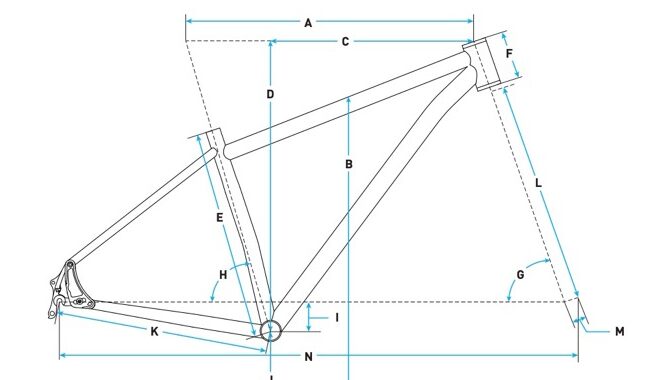

The geometry looks to be nearly identical to the previous Moraine eMTB.
Moraine C XO AXS Spec Sheet
My Thoughts on the Moraine C
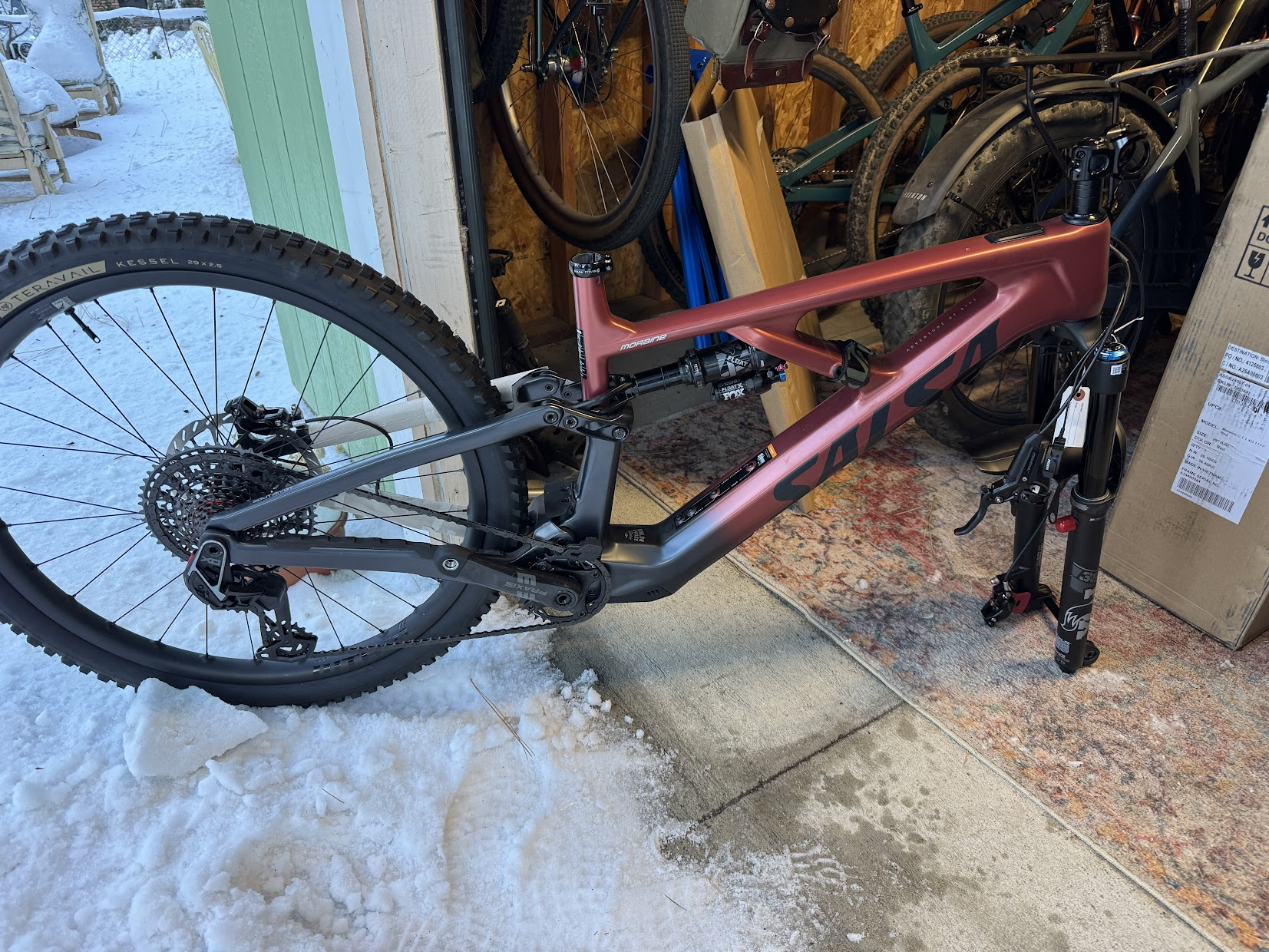
As a cyclist who tries to spin rather than mash the pedals, I really appreciate how the Fazua Ride 60 rewards a high cadence. And the assistance feels almost seamless and unintrusive.
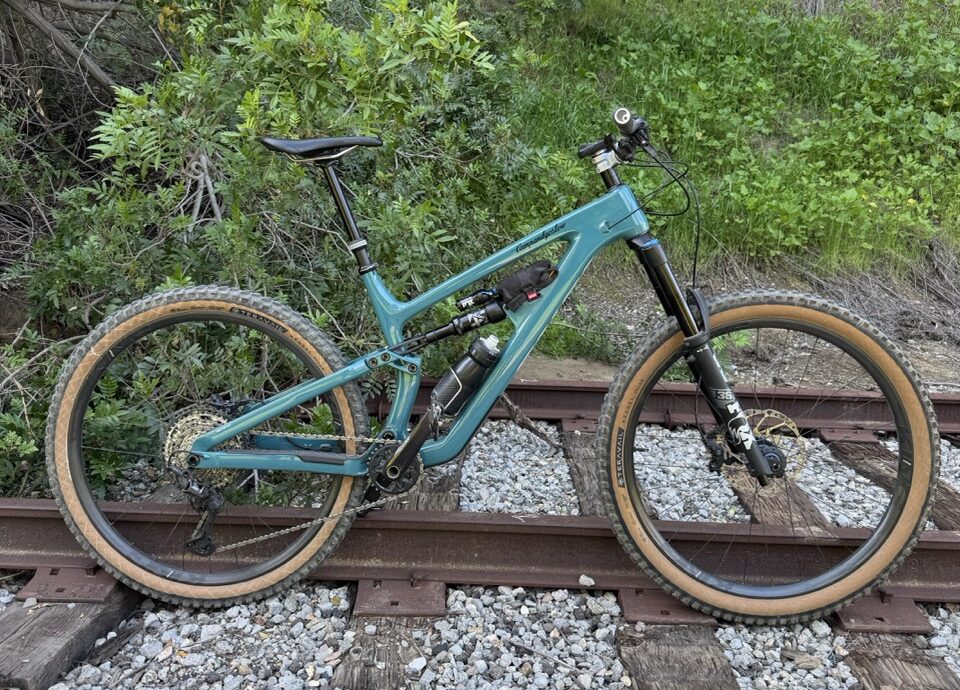
The Moraine C rides like a dream. I mean, I really love the way this bike handles. It rides very light, often feeling like an analog bike. Take away the Moraine’s pedal assist, and it feels just like my favorite mountain bike right now, my Salsa Blackthorn – which is the point with light weight ebikes like this.
The Blackthorn fits me like a glove, and the split pivot suspension kinematics feel perfect to me. The Moraine feels the same. It climbs great and descends like a bat outta hell. And, with the split-pivot design, you can brake while descending through rough terrain without the suspension locking up. It rides exactly like my Blackthorn, so the Moraine feels predictable and very familiar. Perfect!
Final Spec May Vary
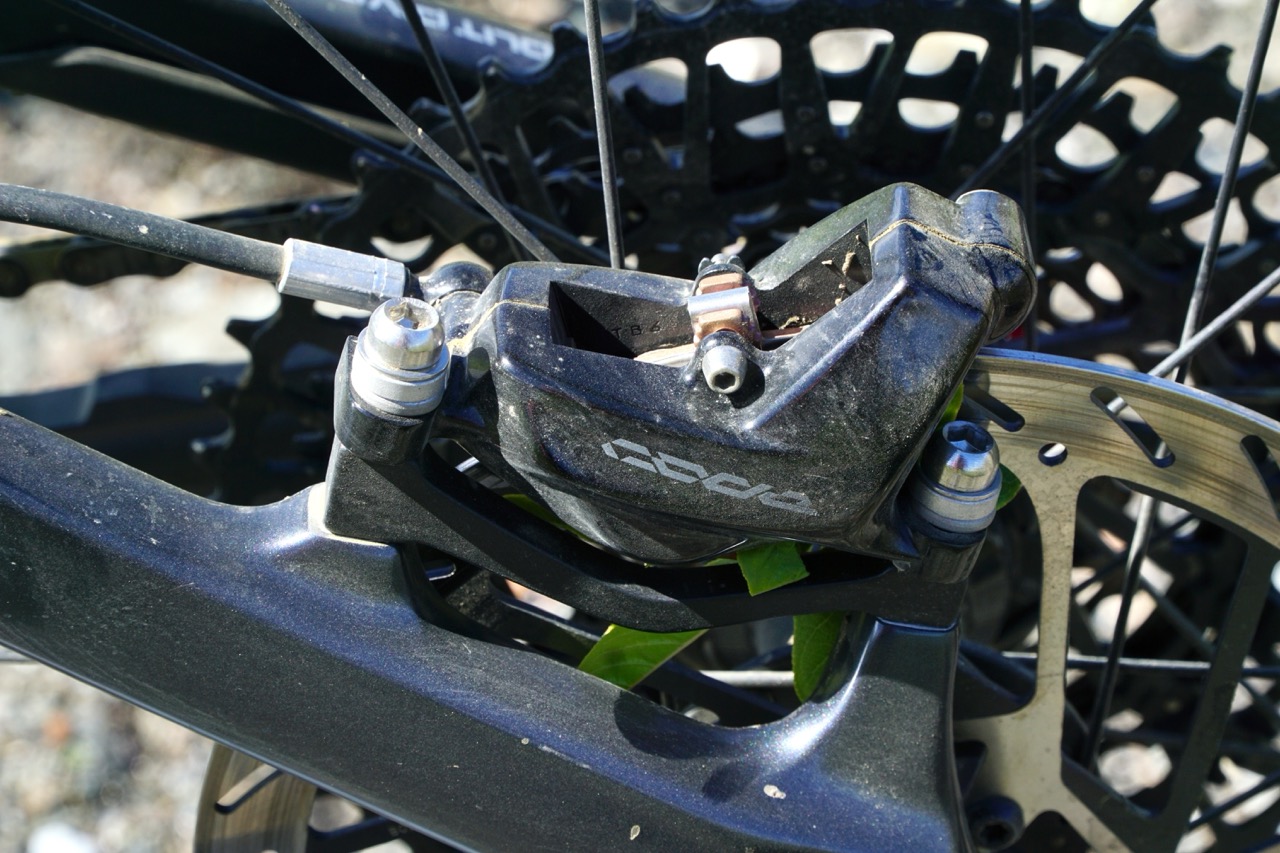
I should point out that this seems to be a preproduction bike with different spec. It’s missing a head badge, and has some different parts than the spec sheet Salsa provided. But Salsa has also stated that spec is subject to change, so it seems like it’s not 100% set in stone at the time of launch.
Speaking of braking, so far, I am not a huge fan of the brakes that were on my test bike. They are the SRAM Code SLV brakes. They lack in modulation and feel a little too “on/off”, if that makes sense. Fortunately, the spec sheet calls out SRAM Maven Silver Stealth which should be good news since SRAM just updated these brakes with better modulation.
Creaky Rear End
This is the first time I’ve experienced creaks in any of the full suspension test bikes or my own full suspension bikes, but creaks happen. The aluminum Moraine that I tested a couple of years ago was dead silent while riding. My Salsa Blackthorn is also silent when riding.
When my bikes or my buddies’ bikes make noises when we ride, it drives me batty. I’m not sure what is causing the creaking, I mean, as stated before, I’m not a light guy.
It’s a rhythmic creak that occurs only while pedaling under some load, like climbing. And it’s not super loud or scary-sounding. I’ve checked the bottom bracket, and all the pivots… everything is good and tight. I’m not sure what it is. But, for the price of this bicycle, it should be as close to perfect outta the box as humanly possible. Since this does seem like a preproduction bike, I’m willing to give the production bikes the benefit of the doubt.
Fazua Ride 60 Assist Modes, & that Ring Controller
When you get yours, you may have to update the Fazua Ride 60 firmwear on on the bike. And it’s a bit of a hassle. Most eBikes can update firmware through the app.
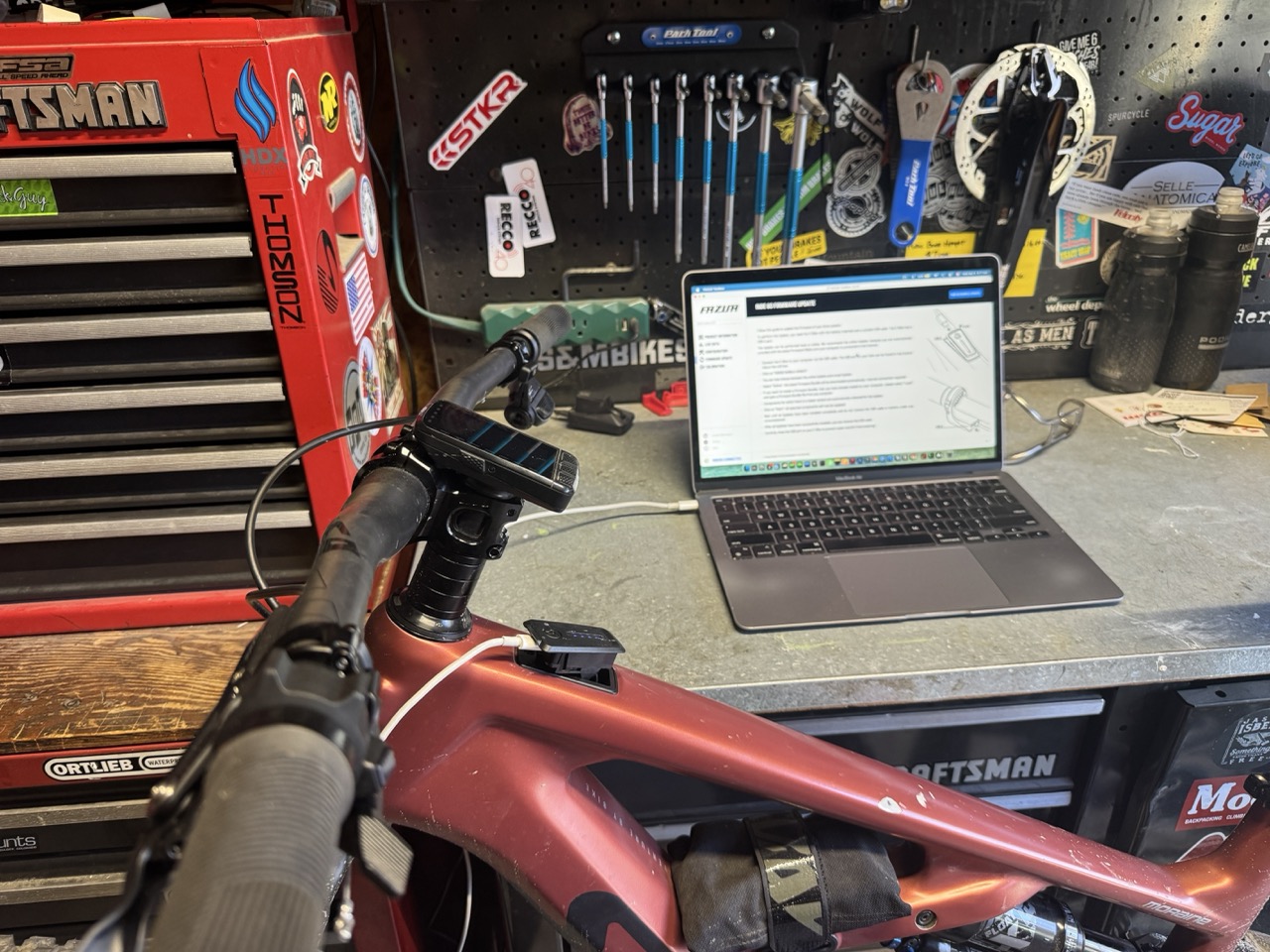
But, to update the Fazua Ride 60, I had to get a USB-C to USB-C cable and bring my laptop to my shop and hook it up to the control hub in the top tube.
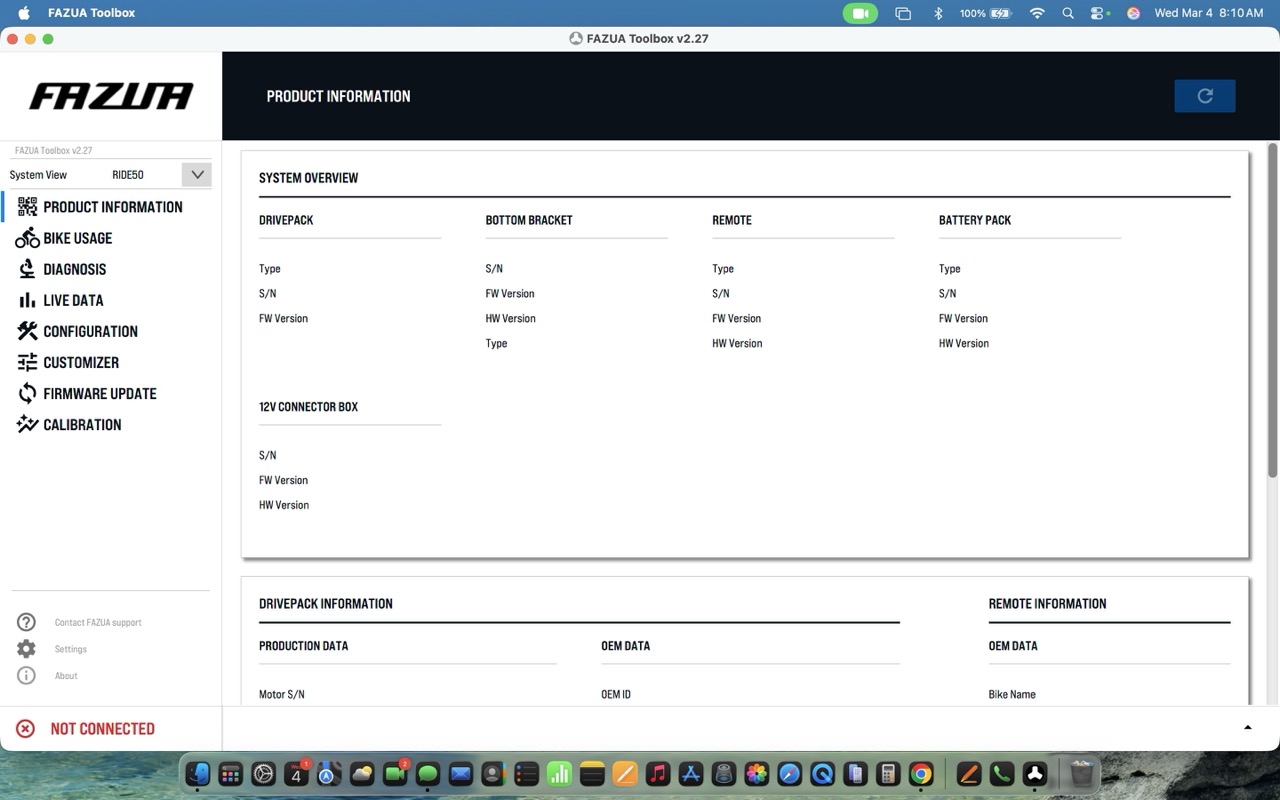
Then I had to download the Fazua Toolbox onto my MacBook and hit the “update” button. I mean, it wasn’t that big of a deal, but it seemed a little archaic when compared to the speed and convenience of updating other systems.
The Fazua Ride 60 for the Moraine C comes equipped with an upgraded ring controller from the previous Moraine. It incorporates a rocker switch that is simple enough to use.

At times, it did seem to be a bit finicky and would occasionally take a few seconds to switch modes. But the controller is comfortable and out of the way, taking up very little real estate on the bars.
The new controller also now has a dedicated boost button that gives you around 30 seconds of extra push for tougher climbs/features. I very rarely used it, but it was sure nice to have when I needed it.
The “On/Off” Issue
I have been having a small issue with the Fazua Ride 60 that’s in this test bike. It seems not to want to turn on after sitting for a while, say overnight. Nothing that I do at the ring controller turns the bike on like it’s supposed to. I even do the “hold it in the off position for 8 seconds to reset it.” But it still won’t turn on.
I thought downloading the app and pairing the bike helped, as it turned on for hours after I did that, but alas, after a 4-hour sit, it was back to not turning on. The only thing that seems to work is touching the charger to the charging port. Like, even for a second, it wakes the system up. And then it turns on and off without any issues for a few hours. My guess is that it’s probably just a bad controller/hub unit.
If you were to have issues like this, it would certainly be covered under warranty, and there may be an easy fix I just haven’t found yet.
Range and Battery Life
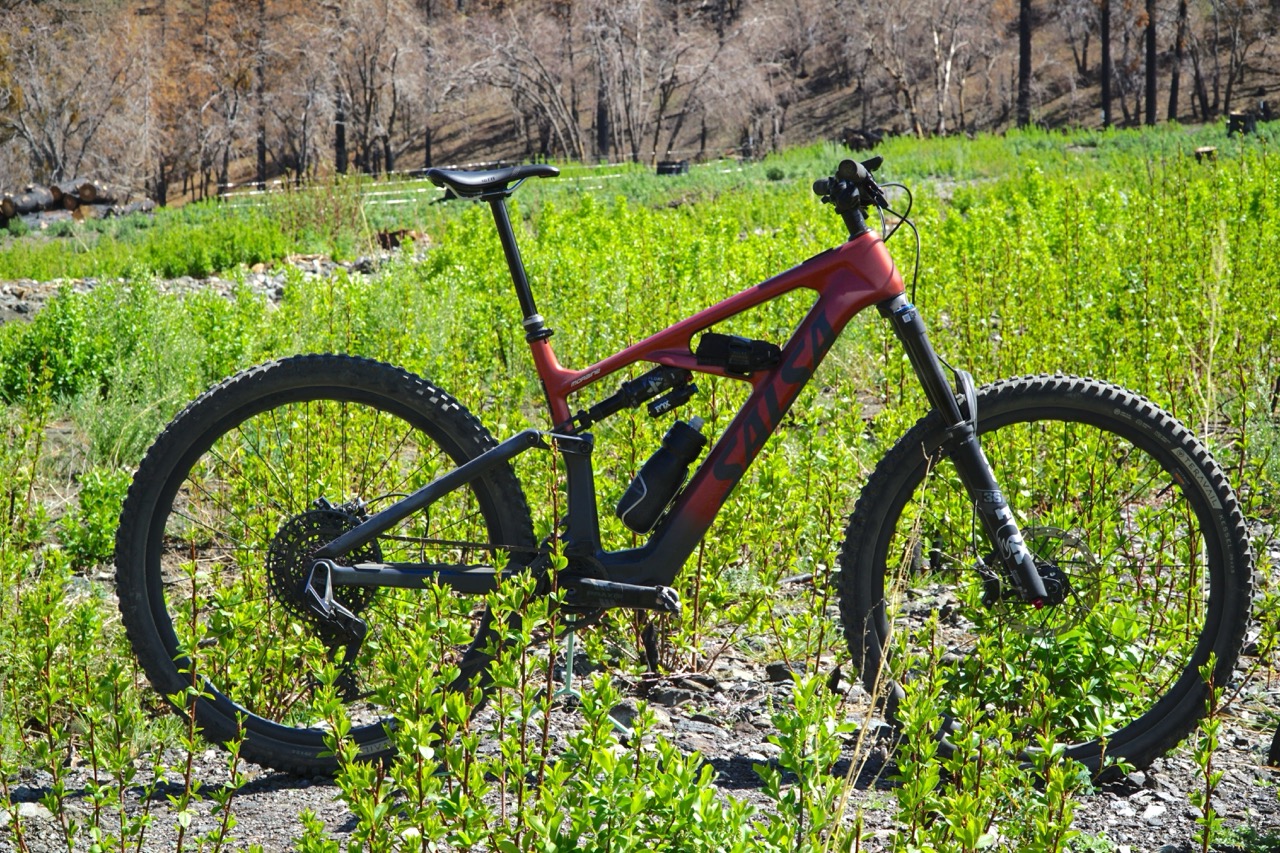
I haven’t pushed the range too much, but I have been purposely riding it in the “turbo’ assist mode to see where I end up. I’m not a light guy, weighing in at 250lbs; I could go through battery juice relatively quickly. For instance, after one of my double loops (24+ miles total, on varying terrain and about 1500 feet of elevation gain), I still had 3 lights left, which I would interpret as a smidge under half the battery life left.
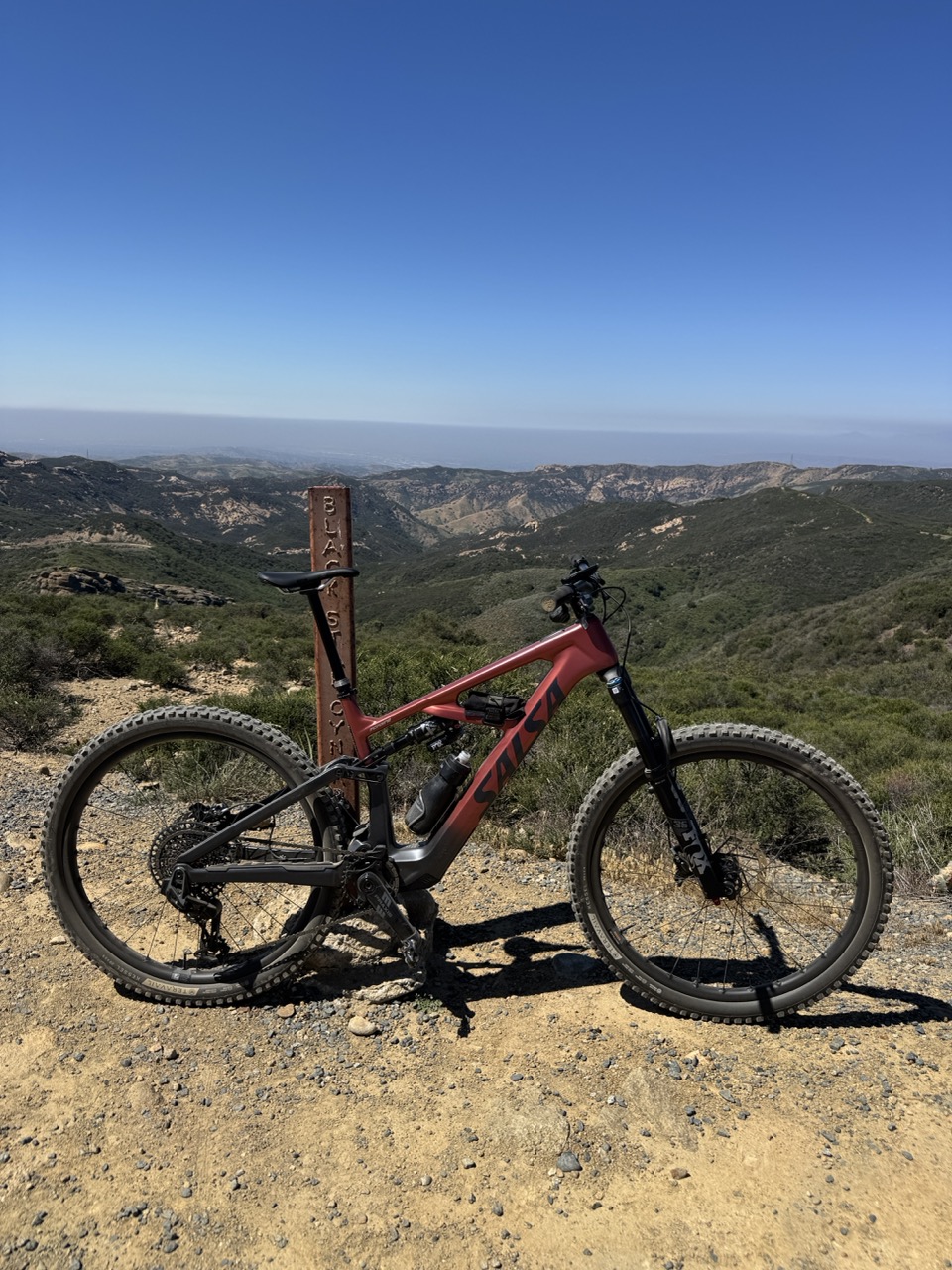
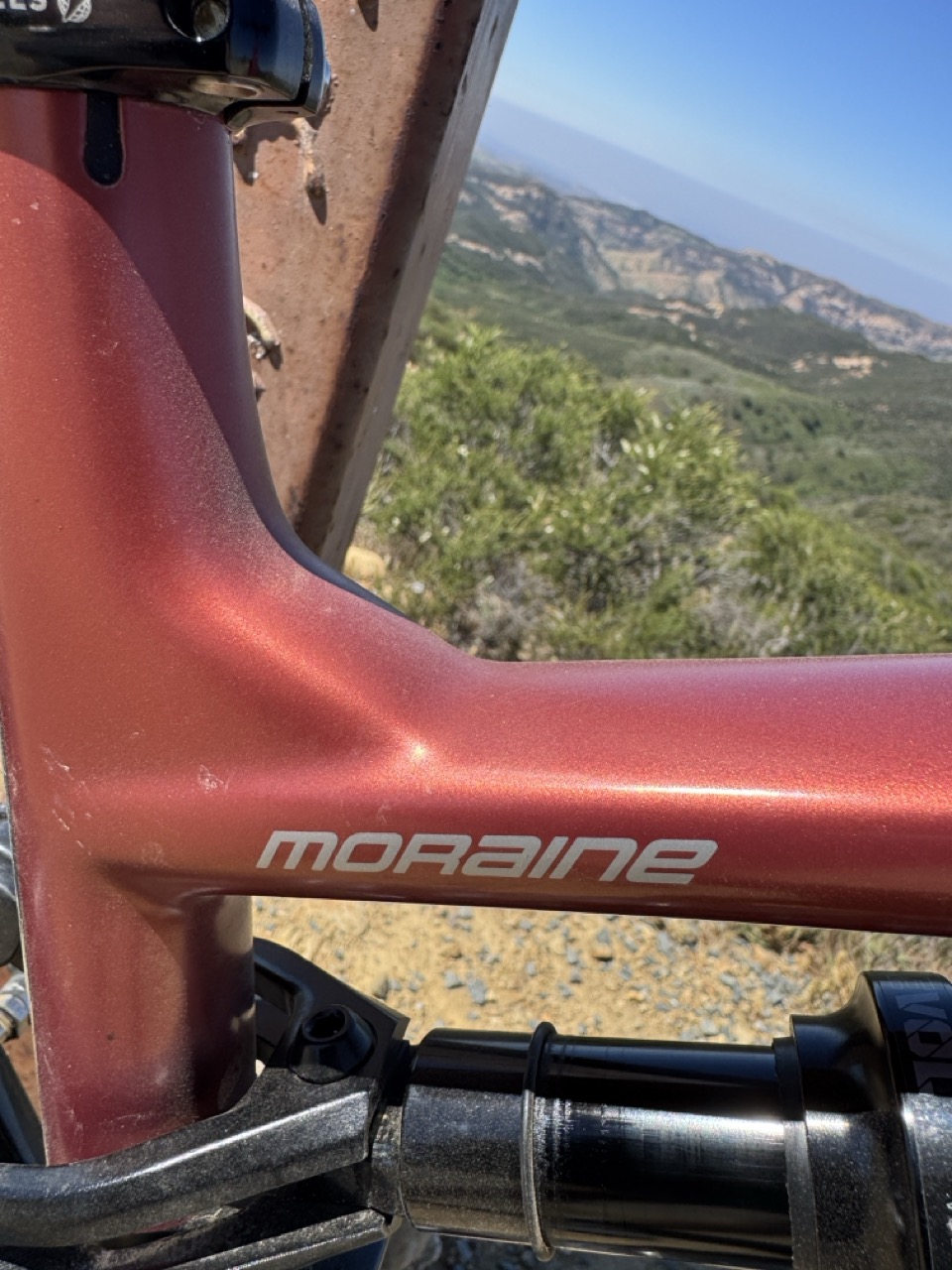
I did another ride where I kept it in turbo assist mode and did a 8 mile “out and back” (16 miles total), with 2200′ of elevation gain in an hour and forty minutes, and ended that ride with one light left. With my weight (250lbs), that would be the range limit for me; I would have to really monitor my battery so as not to get stuck with a dead battery.
The Fazua system is lower on power and torque than some systems, so if you try to ride it like it’s a full power ebike, you’ll burn the battery faster. But if you run it on the lower or middle assist modes, it will feel like you’re having a really strong day on a regular bike and offer much better battery life.

The Moraine C is Just Well-Rounded & Fun as Hell
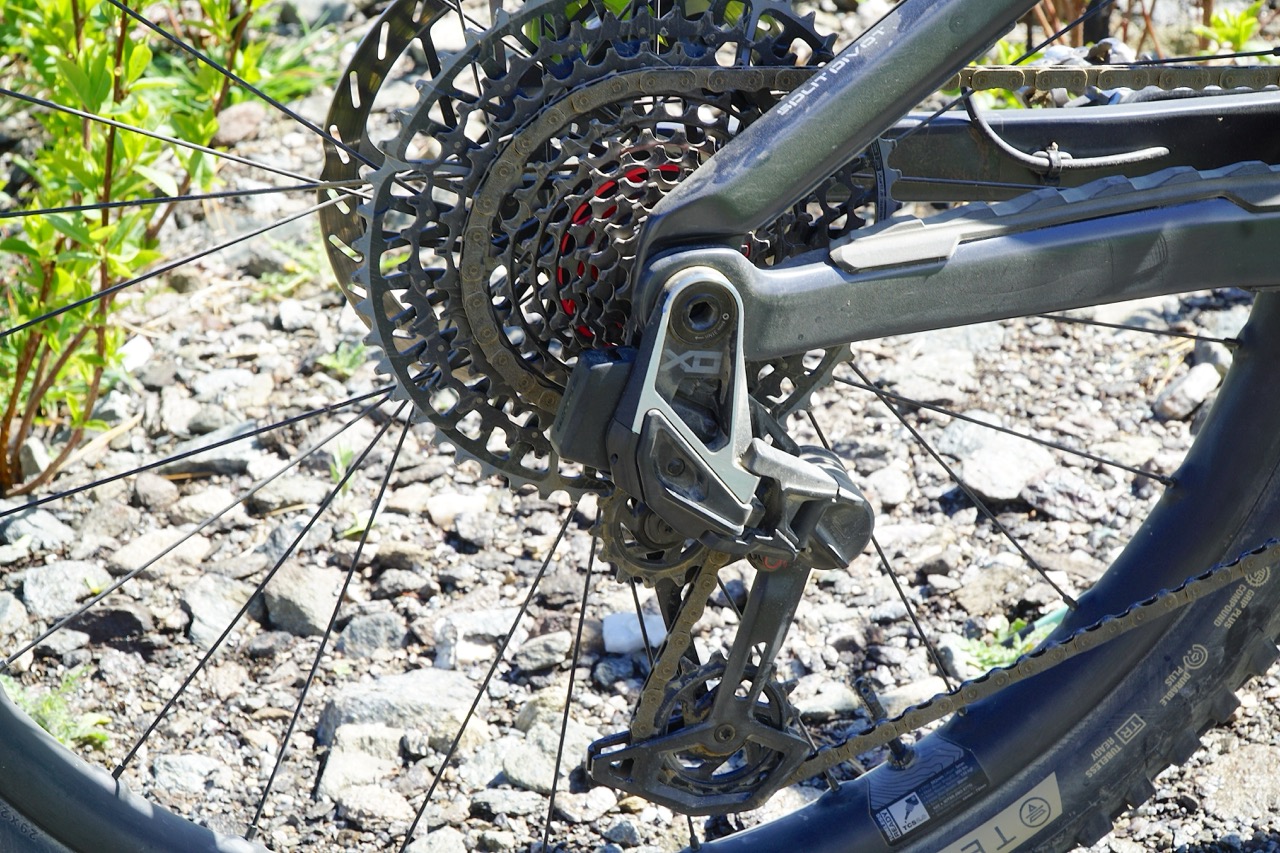
The Moraine C is marketed as Salsa’s All-Mountain eMTB, and well, it truly is a real “all-mountain” bike. Like my Blackthorn, it does everything really well. The Moraine C is a perfectly well-rounded bicycle.
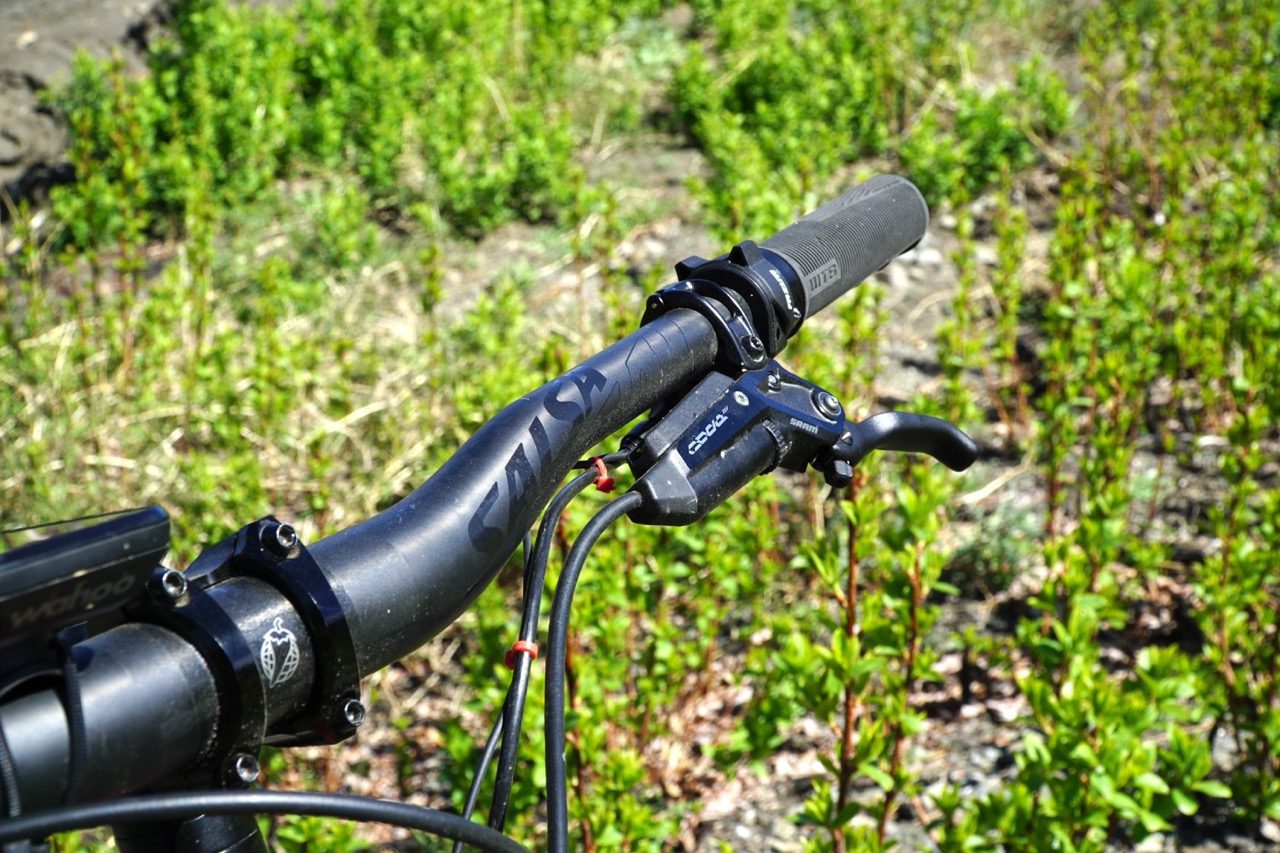
With the optional range extender, the Moraine is ready for any big day adventure on the trail. Or, run your favorite trail a couple o’ times. Explore more, take those climbs that used to give you anxiety.
For me, the Moraine is an absolute blast. I’ve really been sold on the idea of the eMTB. Riding one helps me maintain a healthy average heart rate during my ride.
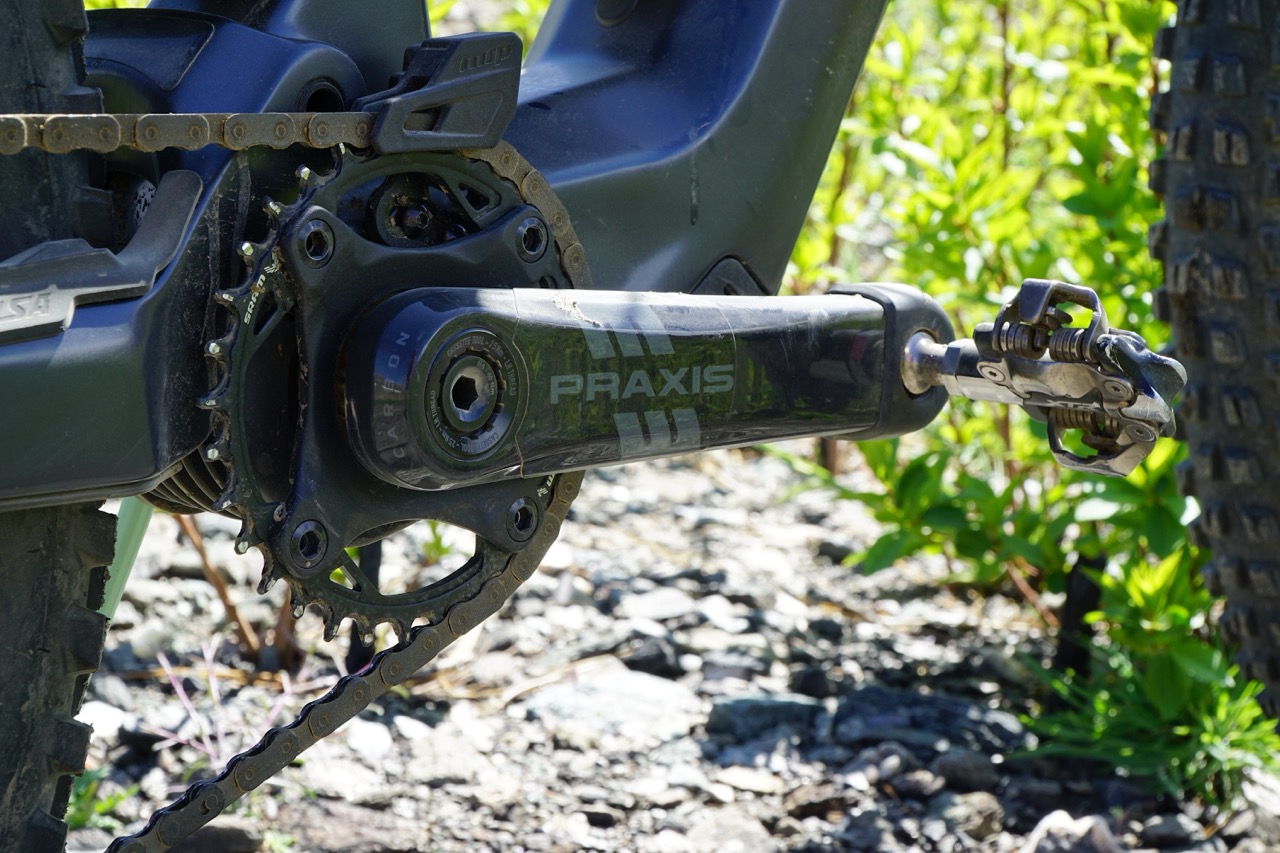
I’ve lost almost 10 lbs since I started ebiking, because I’m out riding more, and choosing climbs as opposed to skirting them. It makes me want to stay out and ride longer, as well as ride more often, because the suffering is more manageable.
I’ve been doing two loops of my favorite trail, something I haven’t done on an analog bike in the 30+ years I’ve been riding that loop. That’s pretty cool. And I’m able to do two loops fairly quickly, allowing me to ride more in the windows of time that I have.
So, yeah… Travis was right.
In Conclusion
I can’t end this review without divulging the retail price of my test bike. The Moraine C XO AXS that I tested retails for $10,999 USD. That’s a lot of money. At that price, you should expect a bike without creaks and without motor issues.
Assuming those issues for me are due to this being a preproduction sample, the Moraine is a well-specified, well-designed bike. If that’s too much dough, there is a lower spec’d model, the Moraine C Eagle 90, which retails for $7,999. Same geo and suspension design, just slightly lower spec.
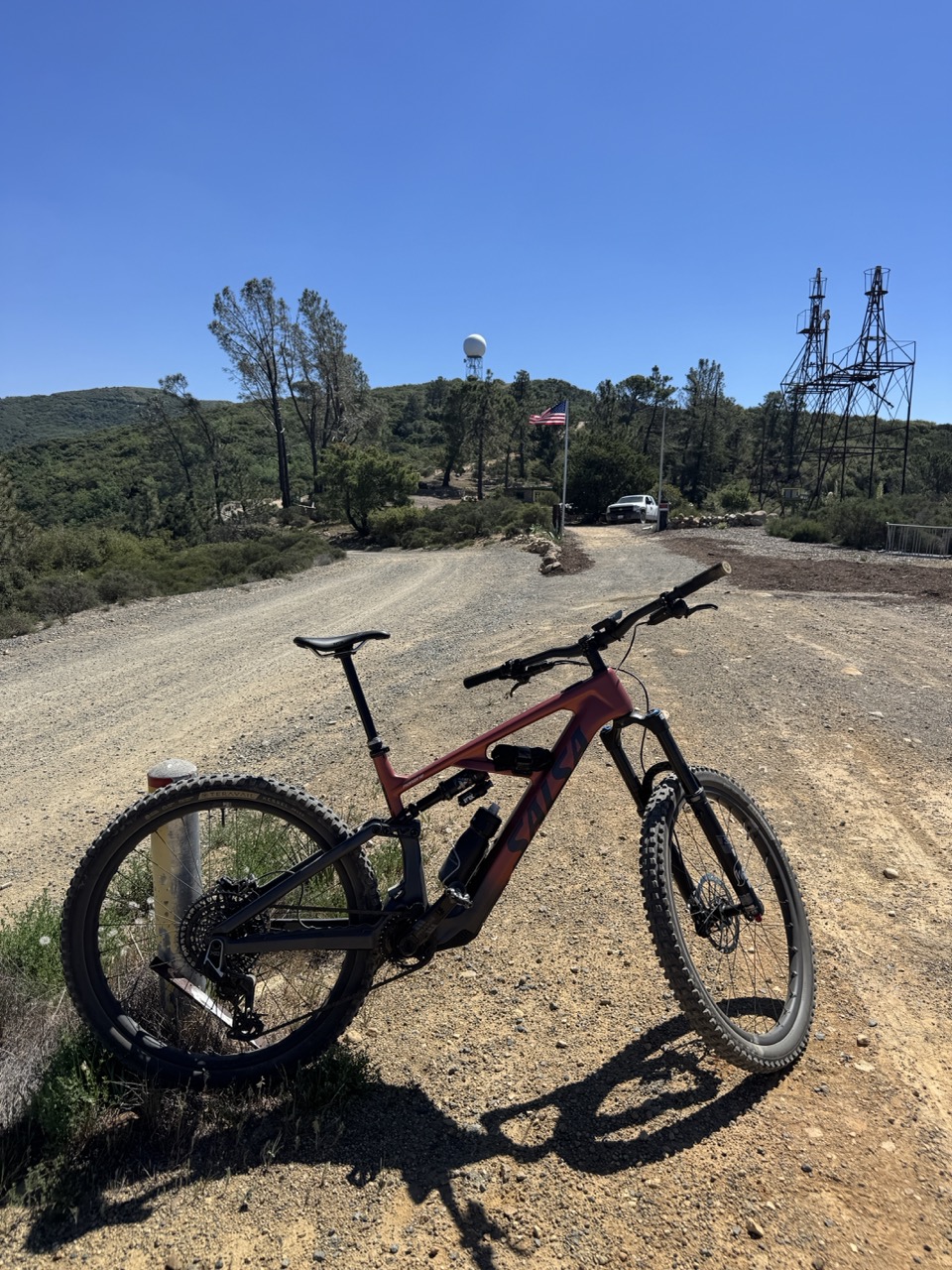
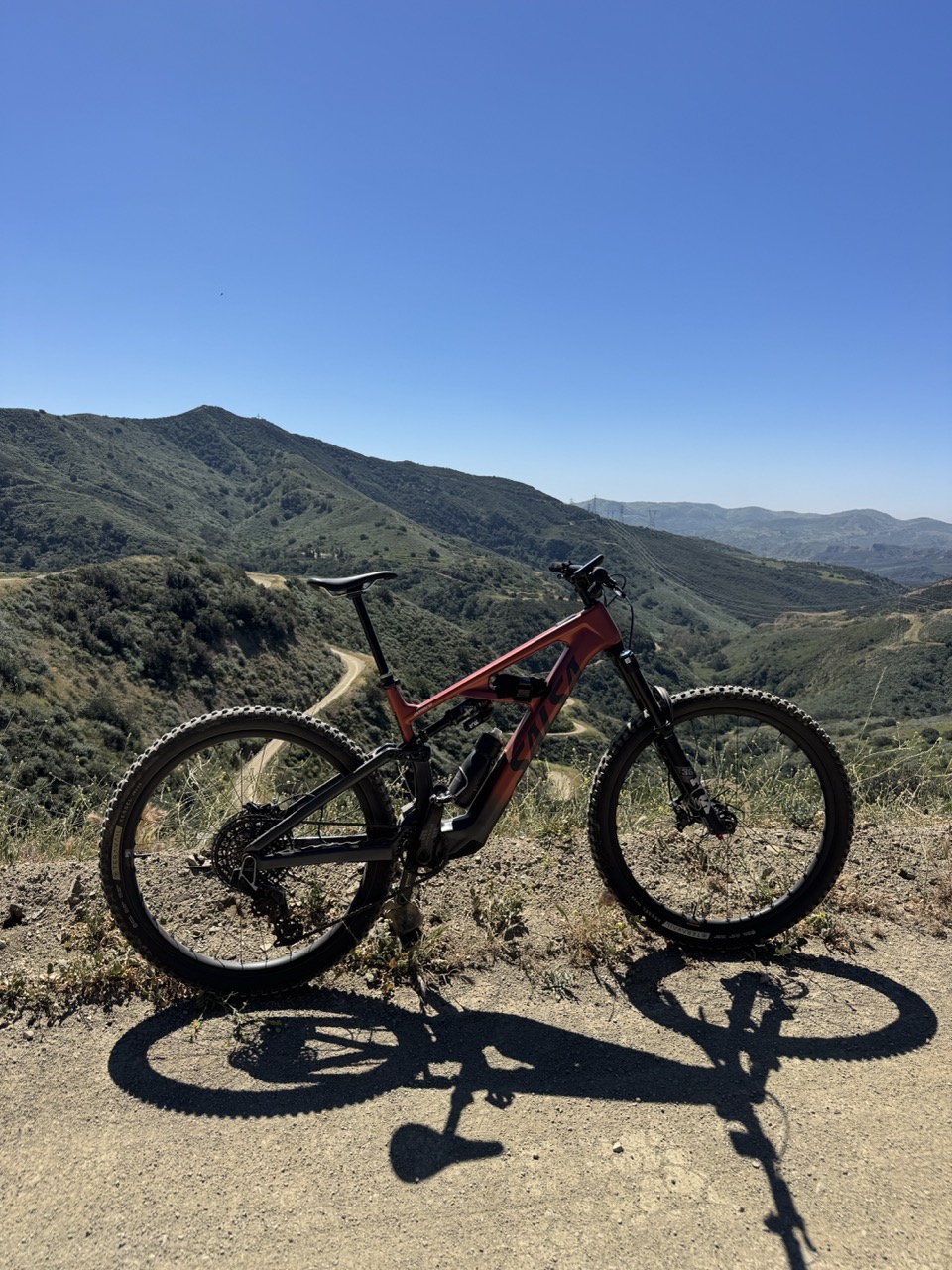
If I could afford either model of this bike, and some of the small issues with the creaking and control unit were rectified, the Moraine XO AXS would be at the top of my list of bikes to acquire this year.
I can’t say enough good things about its spec and ride quality. When it comes to the Salsa Moraine C XO AXS, I find it best to quote Mr. Ferris Bueller, “…it is so choice, if you have the means, I highly recommend picking one up”
For more details, hit the link below.
The post The New Salsa Moraine C All-Mountain eMTB Gets Lighter with Full Carbon Frame appeared first on Bikerumor.