Bridger Western is an action simulation inspired by the anime/manga series JoJo’s Bizarre Adventure. In this Roblox experience, players can engage in combat using various methods, one of which is Stands. Tusk is one of the 18 Stands introduced when the game was released. It is popular for its unique multi-Act system and extreme gameplay trade-off.
This article provides a comprehensive guide on the Tusk Stand, including an overview and its moveset.
Tusk Overview in Bridger Western
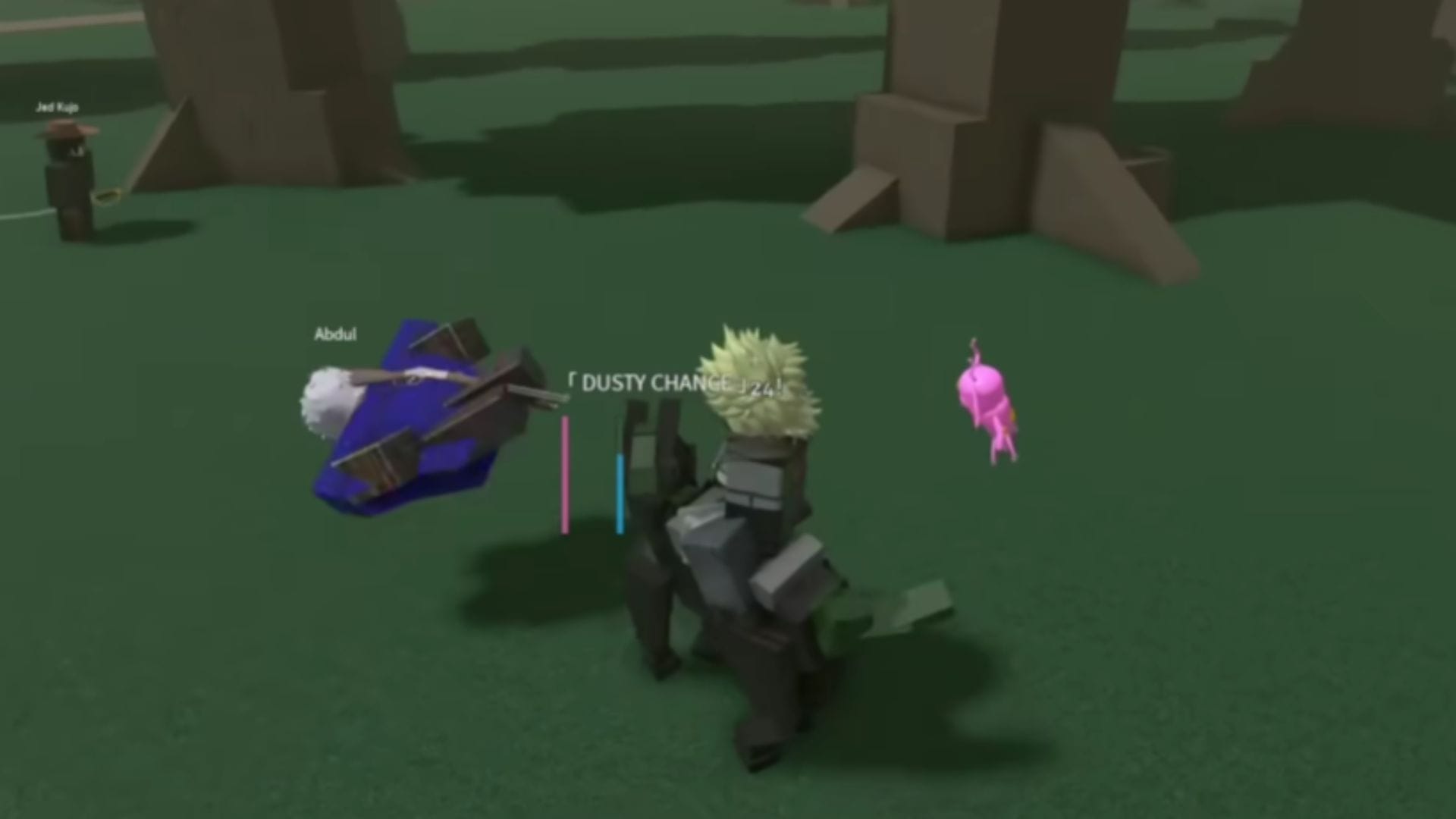
Tusk in this game is inspired by Johnny Joestar’s Stand in the anime/manga series Steel Ball Run. It is a unique Stand in the game that completely removes your ability to use weapons and makes you crippled, where you must rely on crawling, rolling, or a horse for mobility. Talking of power, Tusk has a multi-Act system that transitions from Act 1 to 3, influenced by the original fiction. Each Act serves a different purpose, offering a distinct combat role, ranging from mobility to precision to raw damage.
Tusk is a great support Stand that can be used strategically, as it excels in ranged combat and tactical positioning. Note that it is completely a technique-based playstyle, as all damage comes from Stand abilities instead of weapons. The best use of this Stand is in open areas or coordinated fights where enemies cannot easily close the gap.
All Tusk moveset in Bridger Western

Here is Tusk’s moveset in Bridger Western:
Act 1 Moves
- Nail Bullets: Fires rapid nail projectiles that deal about 10 body damage and around 19 on headshots, allowing continuous pressure with fast firing.
- Accuracy Boost: Temporarily increases the precision of nail shots, making it easier to land consistent hits at longer distances.
- Jump Move: Performs a small jump that helps navigate terrain and reposition, a mobility option unique to Act 1.
- Nail Glide: Allows the user to glide quickly across the ground for short bursts of movement despite the crippled state.
- Melee: A basic close-range attack used if enemies get too close.
Act 2 Moves
- Ricochet Shot: Fires a powerful nail shot that deals heavy damage and can ricochet or track enemies.
- Homing Bullets: Nails automatically track enemies after being fired, increasing hit reliability.
- Trap Bullets: Allows you to place bullet traps on surfaces that activate when enemies approach.
- Nail Glide: Retains the gliding movement ability for quick repositioning.
- Melee: A basic close-range attack for emergencies.
Act 3 Moves
- Enhanced Bullets: Nail shots hit twice per attack, significantly increasing total damage output.
- Nail Glide: Allows quick movement across the ground to reposition during combat.
- Melee: A simple melee attack used if enemies manage to close the distance.
Best Cards for Tusk builds
Since Tusk removes all weapons and relies entirely on positioning and survivability, the best cards are those that improve mobility, sustain, and survivability:
Free Runner
Increases stamina and improves movement, which is crucial since Tusk users cannot walk or run normally.
Time Heals All Wounds
Provides passive healing.
Sturdy
Increases max HP and survivability, making it easier to survive bursts from aggressive players.
Too Tired to Fall
Reduces damage when stamina is low, which happens often due to constant repositioning.
Winged Man
Useful if you utilize elevation or terrain, giving bonus damage during aerial positioning.
FAQs on Bridger Western
Is Tusk a strong Stand in PvP?
Tusk is very strong in PvP due to its high ranged damage and versatility across different Acts, but it requires good positioning and awareness because of its crippled movement limitation.
Can Tusk users use guns or weapons?
No, obtaining Tusk removes all weapons from your inventory, and you can only rely on its nail-based abilities for combat.
What is the biggest weakness of Tusk?
Its biggest weakness is mobility, as players cannot walk or run normally and must rely on crawling, rolling, or a horse to move effectively.
Which Act of Tusk is the best?
Act 3 is generally considered the strongest for raw damage, while Act 2 offers better utility and Act 1 provides the most mobility options.
Edited by Sayandeep Das