Gravel isn’t what it used to be. What started as “big CX tires” (35-38mm), low pressures, and a “just get through it” mindset has turned into something way more deliberate. Speeds are up, groups are tighter, and more riders (not just the pointy end) are starting to care about things that used to be road-only territory… like aerodynamics.
The new ENVE G SES lineup comes at just the right time.
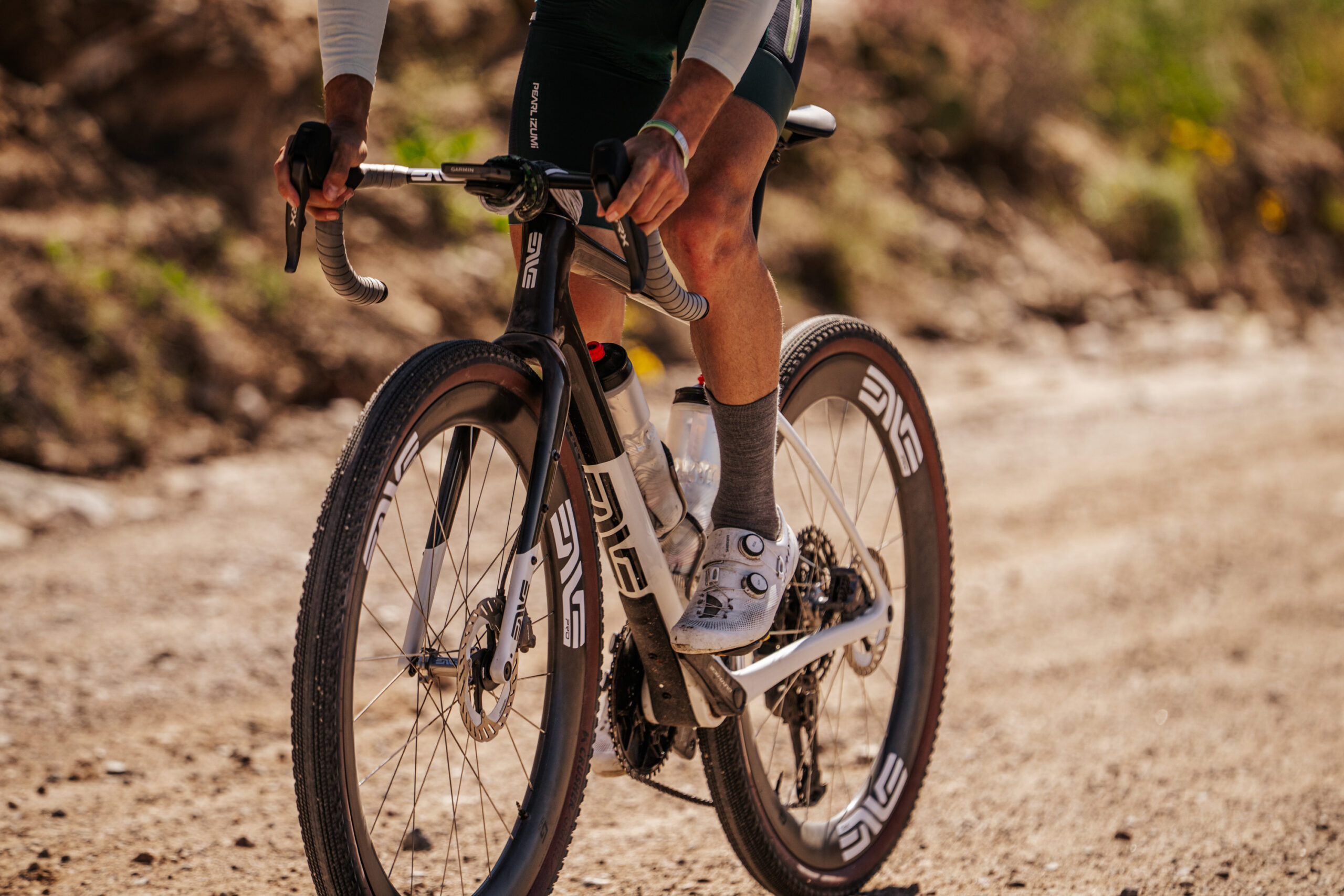
Aero Gravel Grinding
Back when ENVE launched its first gravel-specific wheels in 2018, the focus was pretty straightforward: compliance, durability, and flat resistance. All still important, obviously, but those attributes don’t define performance on their own anymore.
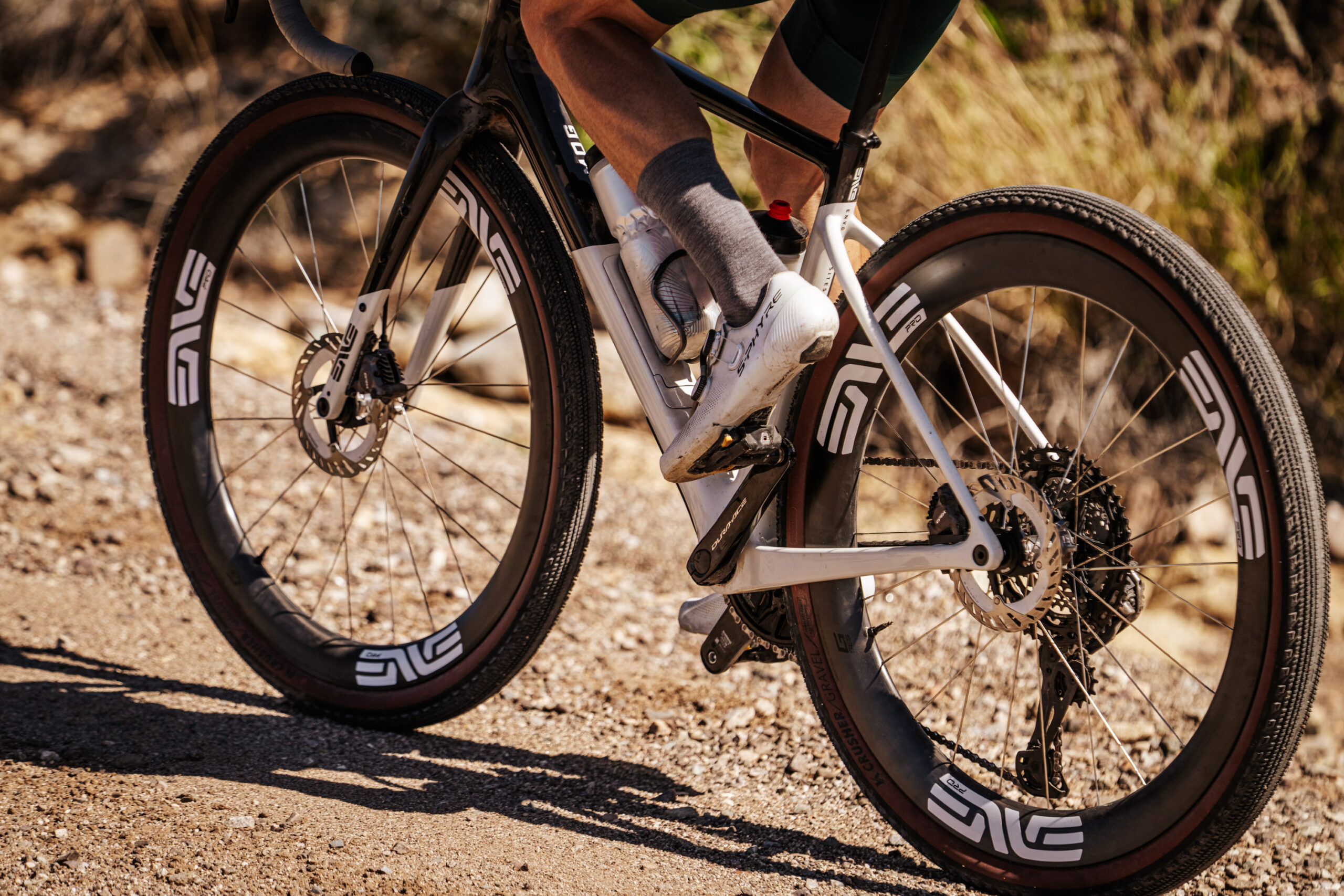
Gravel racing has changed. Riders are holding higher speeds, spending more time in packs, and running bigger tires than ever (45-55mm). That combination creates something that didn’t really exist before: a real aerodynamic opportunity.
ENVE’s approach here is pretty simple: design the rim around the tire, not the other way around. It’s not a new concept and has been done many times by wheel manufacturers, but now it’s ENVE’s turn for a wide-aero gravel wheelset.
The Lineup: Pick Your Weapon
The G SES range splits into three options, and the differences aren’t subtle.
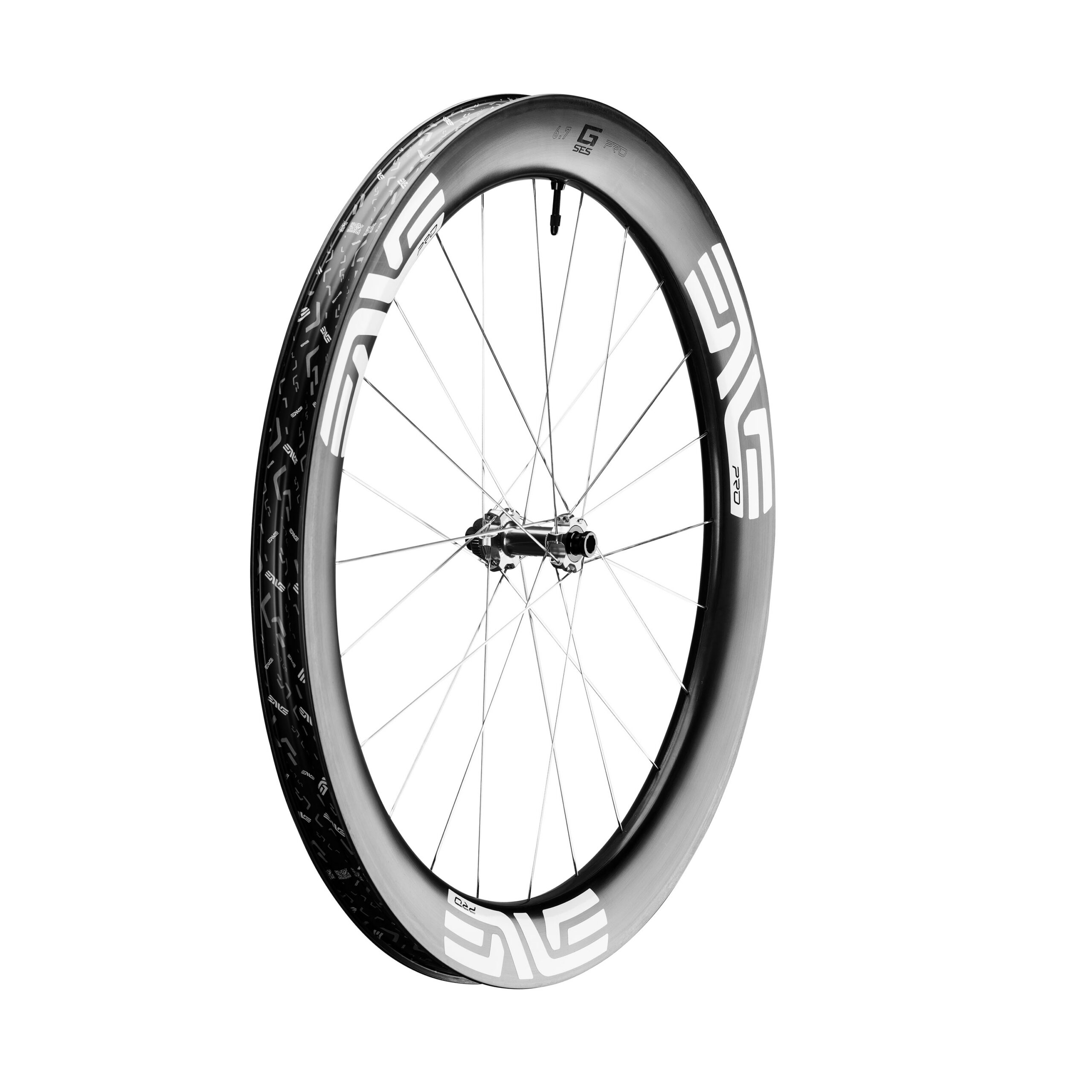
G SES 6.7 PRO — Go Fast
This is the one that grabs attention, and it did just that at the finish line shoot at Sea Otter Classic, under Alexey Vermeulen.
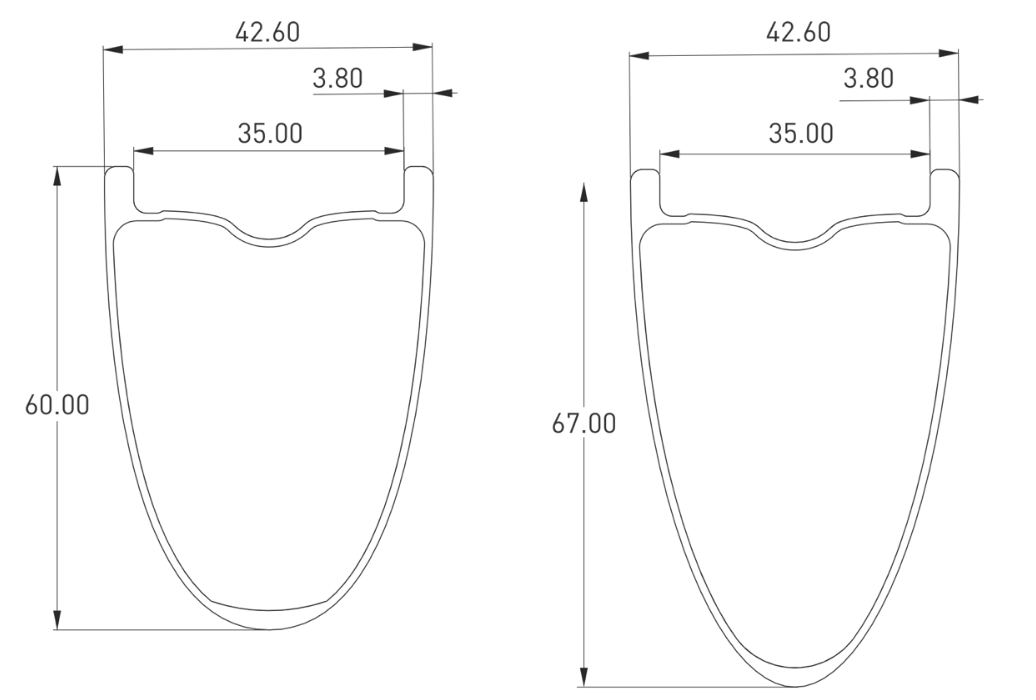
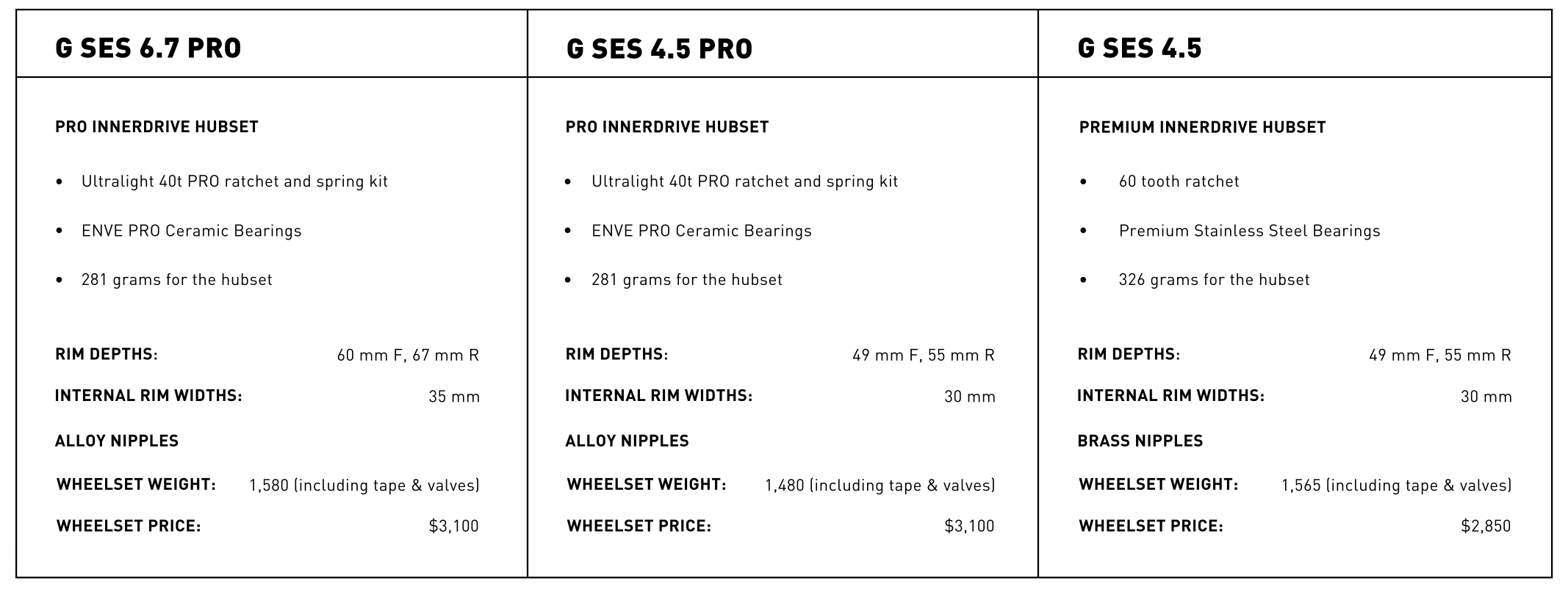
At 60mm up front and 67mm out back, it’s deep. Really deep for gravel. ENVE is calling it their fastest gravel wheel ever, and honestly, looking like that, it better be.
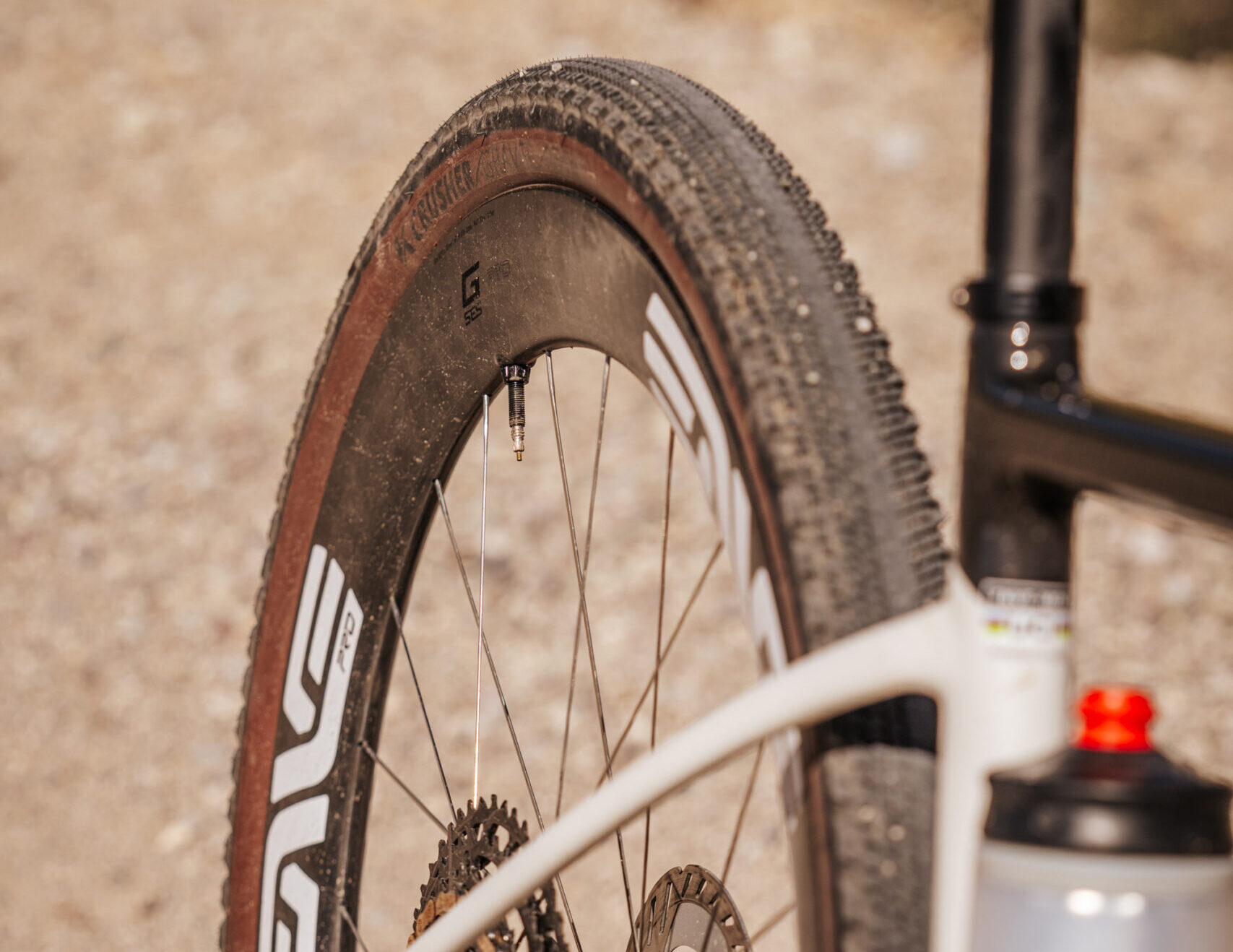
This is not a “one wheelset for everything” kind of setup. It’s built for fast courses, wide-open terrain, and riders who are already thinking about squeezing every bit of speed out of their setup. If you’re lining up for something flat and fast, this is the kind of wheel that could actually make a difference. I would expect to see this wheel on Unbound under most ENVE athletes.
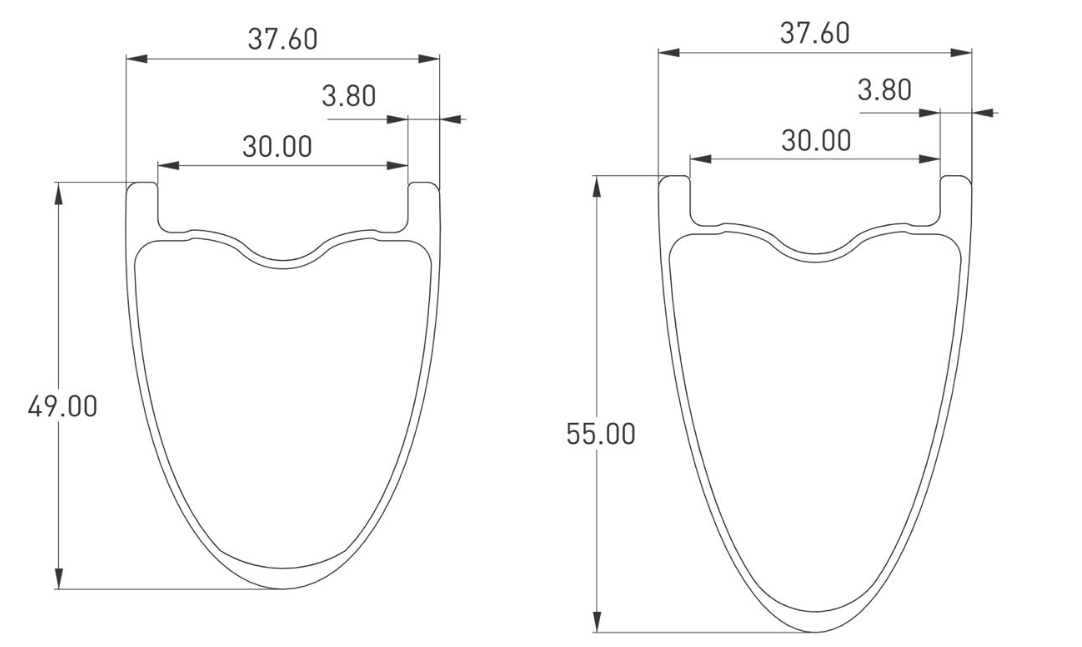
G SES 4.5 & 4.5 PRO — The Real-World Option
For most riders, this is where things start to make more sense.
The 4.5 sticks closer to ENVE’s usual playbook: balanced depth, predictable handling, and greater versatility. It’s still aero, still fast, but not quite as committed as the 6.7. Think of this one as more of an “all-around aero” gravel race setup.
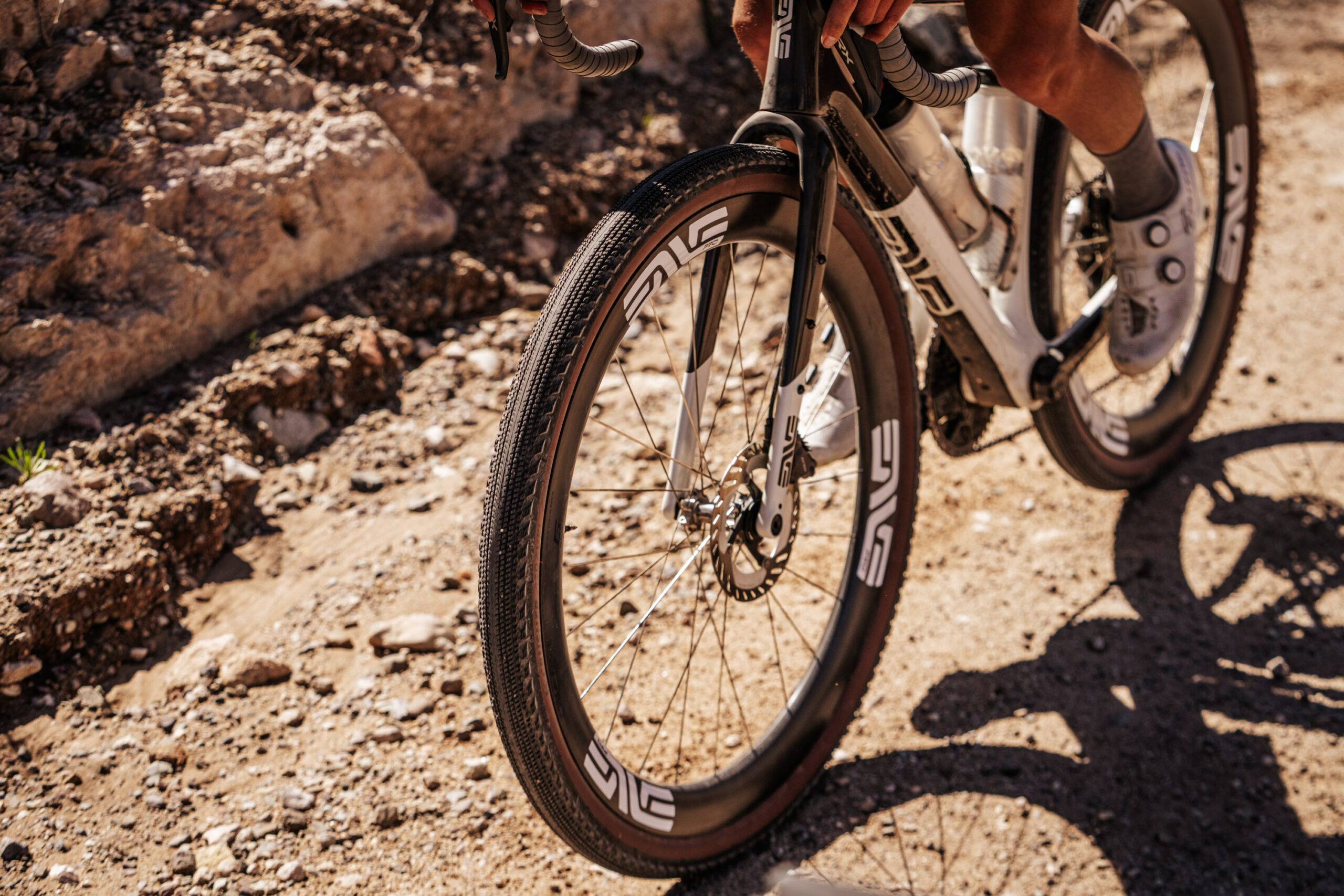
The PRO vs non-PRO split is mostly about build. The wheels use the same rims, but different hubs and spokes.
The PRO version rolls on the ENVE Innerdrive PRO hubset, and the non-PRO uses the Innerdrive Premium. Both use Silver Alpina Ultralite spokes, but the PRO version opts for Alpina alloy nipples, while the non-PRO uses Alpina Nylock Brass nipples.
At a quick glance, the Innerdrive PRO and Premium hubs look like the same thing, and honestly, they kind of are. Same core design, same oversized ratchets, same engagement feel. The difference shows up in the details and weight.
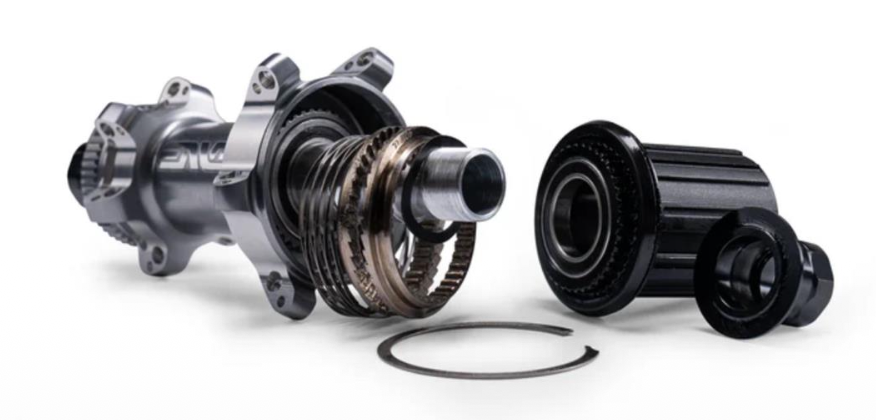
The PRO gets lighter internals and ceramic bearings, which trim a bit of weight and spin a little freer at speed. It’s the race-day version, built for riders who care about squeezing out every last bit of efficiency.
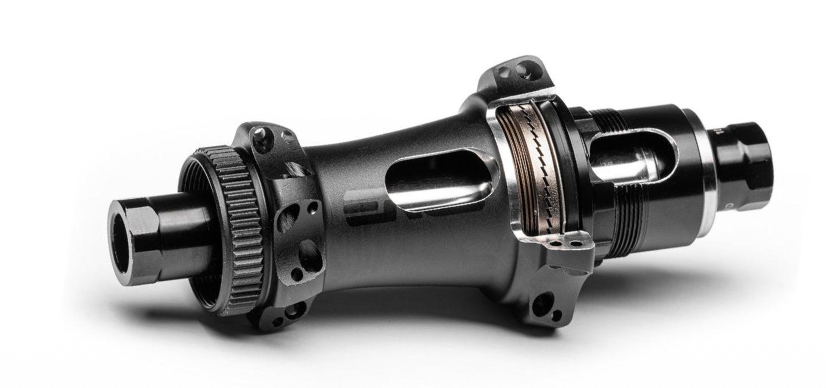
The Premium keeps things a little more grounded with stainless bearings and a slightly more durable, lower-maintenance setup. It’s still fast, just less fussy about it.
So you’re choosing between weight and price more than performance. If the 6.7 is the aero-race-day weapon, the 4.5 is the one most would actually want to ride all the time.
Aero Gains
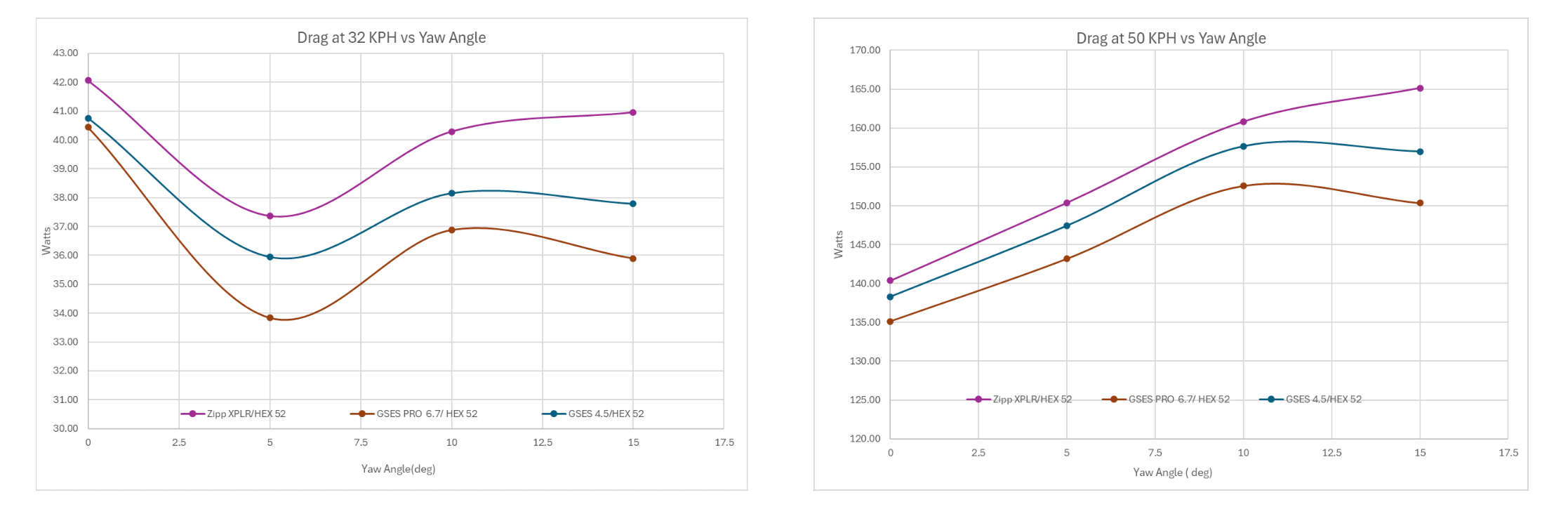
ENVE is claiming about 8 watts saved at 32 kph and up to 25 watts at 48 kph, which sounds big, and it is. But the more interesting part is how that shows up in the data.
At lower speeds, everything is relatively close. But once you start pushing toward higher race speeds, the G SES 6.7 Pro starts to separate itself. But not just from older ENVE designs, but from competitors like the Zipp XPLR. When we talk wider aero gravel wheels, it hard to leave these guys out, the Zipp XPLR was first to market, but it seems ENVE is pushing past anda finding more speed with greater depth.
That’s really the key point here. Gravel might not have been fast enough for aero to matter a few years ago, but now it is. And when speeds go up, deeper, better-shaped rims start to pay you back in a real way.
Designed Around Bigger Tires
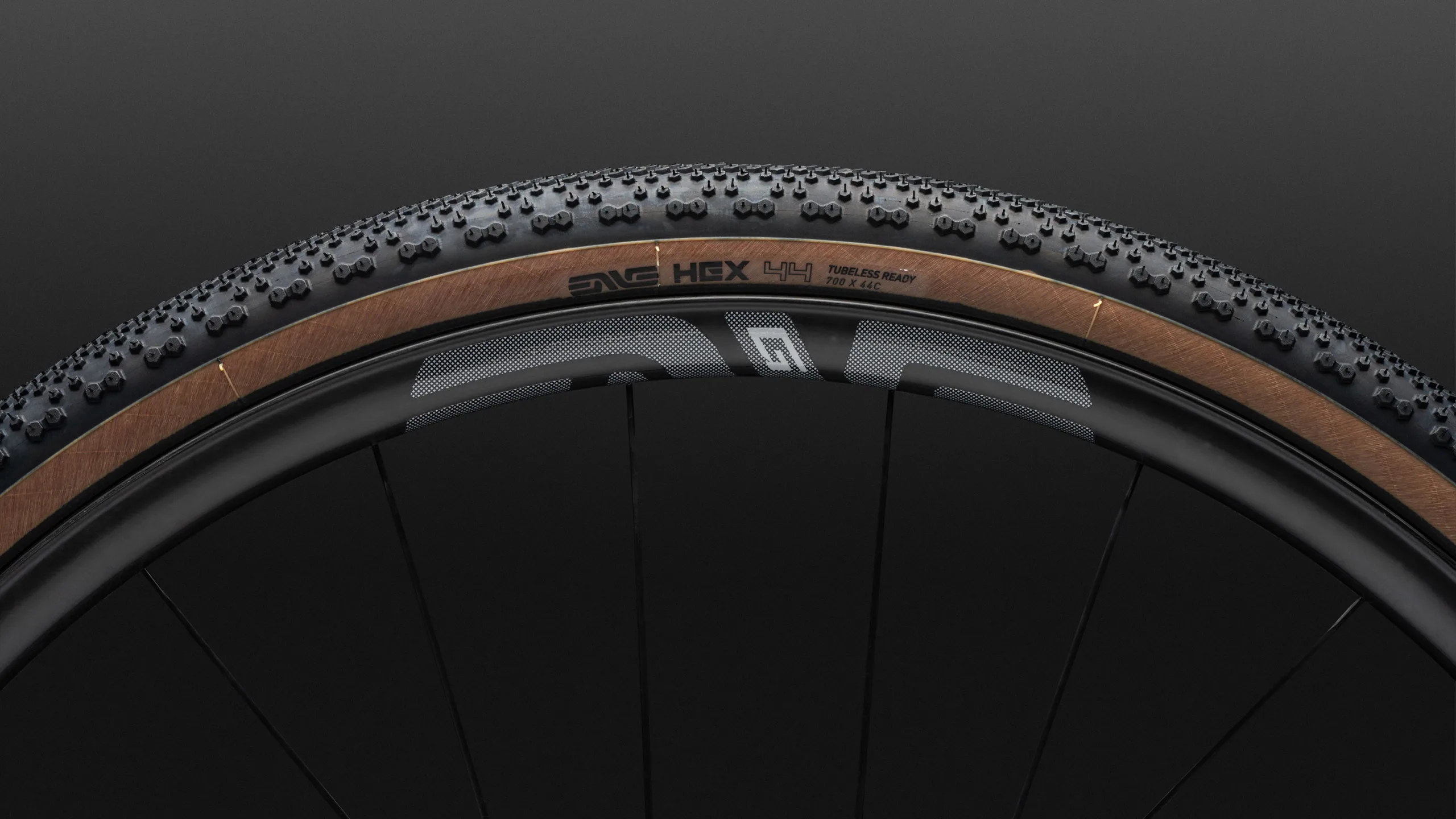
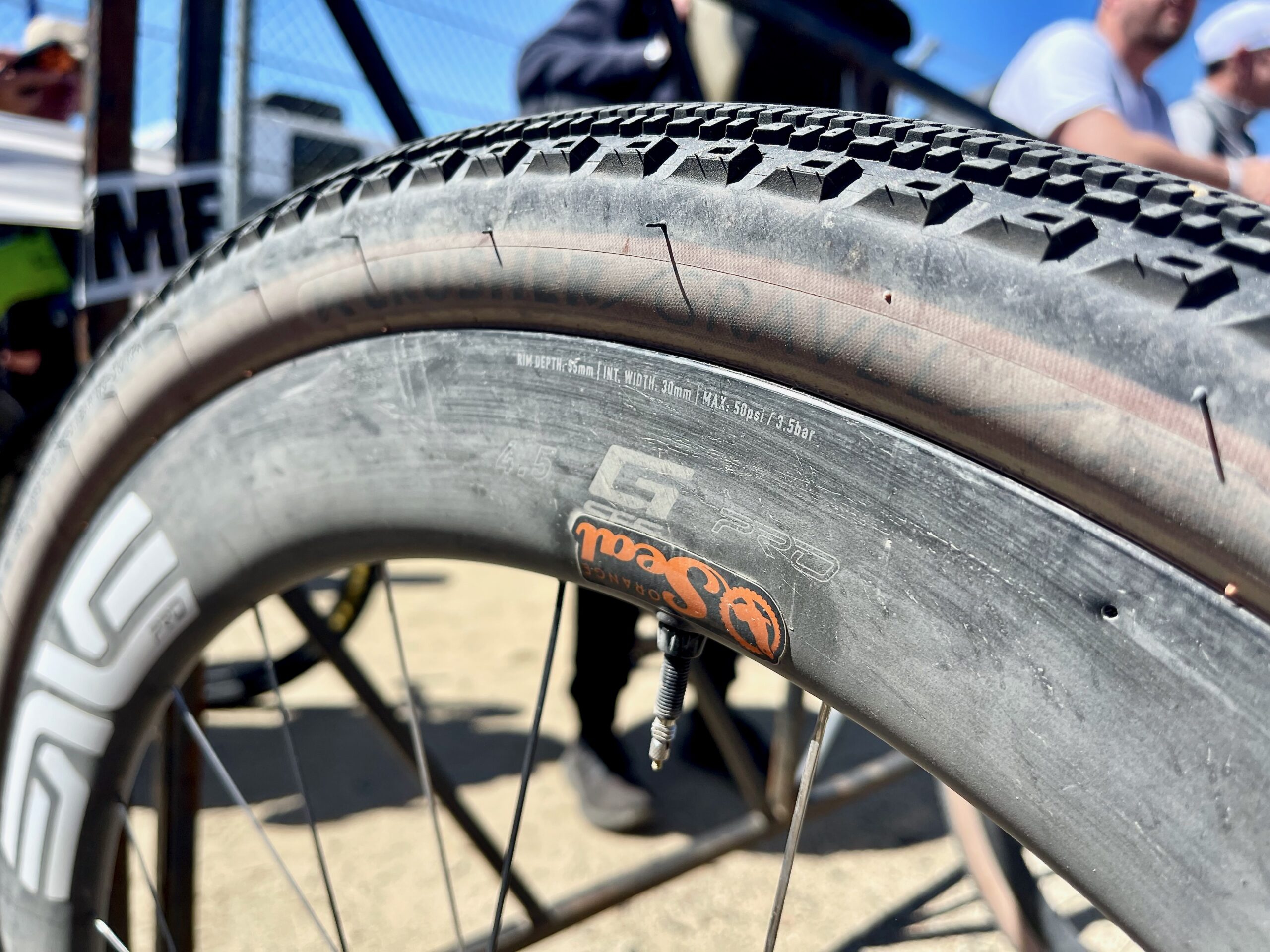
Another big shift is tire compatibility. The G SES wheels are optimized for 44–52mm tires, which tells you everything you need to know about where ENVE sees gravel heading (and is). This isn’t about squeezing a 38mm tire onto a road rim anymore; this is full commitment to high-volume setups.
Wider tires change airflow, and if your rim isn’t designed to match, you’re basically leaving speed on the table.
Tire Choice Still Matters
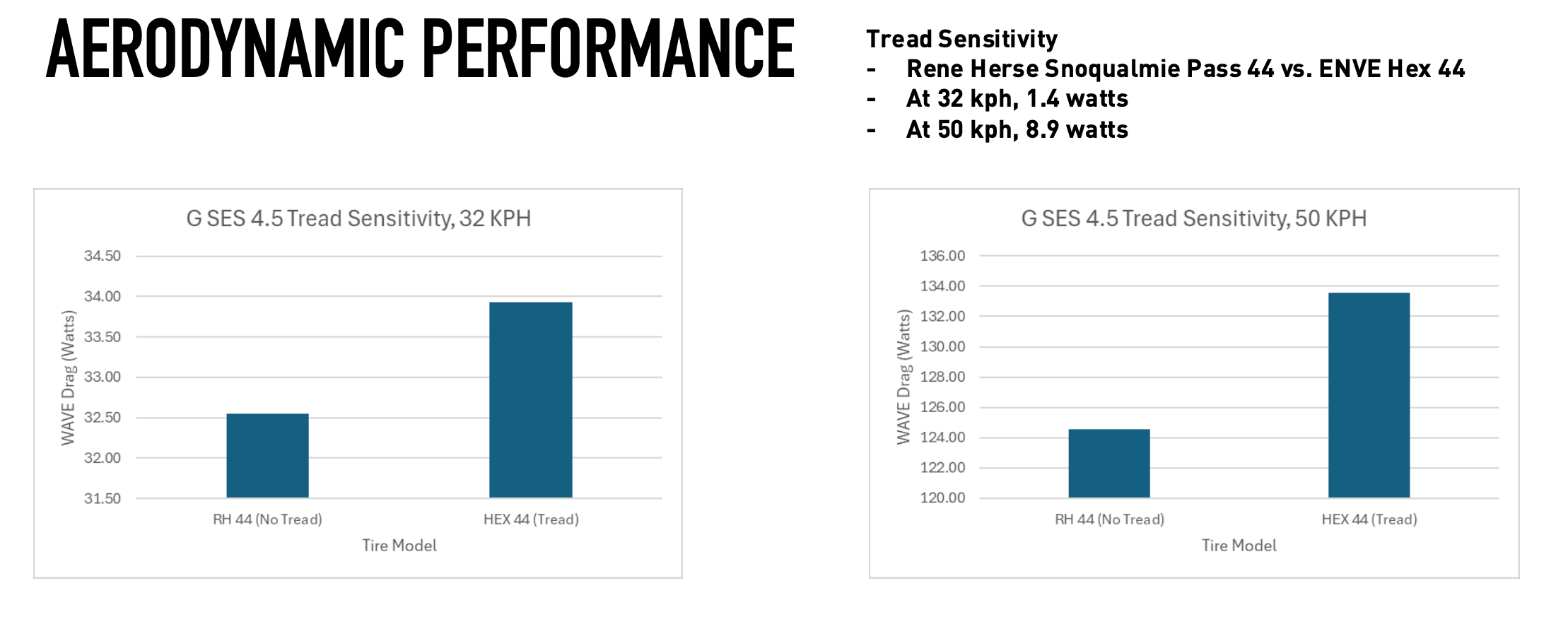
One thing ENVE points out that’s worth paying attention to: tread matters more as speeds increase. At around 32 kph, the difference between slick and treaded tires is barely noticeable. But by the time you’re pushing 50 kph, that gap grows to nearly 9 watts.
That’s not insignificant. It’s a good reminder that once you start riding gravel like a race (not just a ride), everything becomes part of the system. Tires included.
Not Just Straight-Line Speed
ENVE is sticking with its usual differentiated front-and-rear rim design, which is all about balancing stability and efficiency.
Where it gets interesting is how the wheels behave across different yaw angles, the stuff you actually feel when the wind isn’t perfectly straight-on.
Across a range of conditions, the G SES 6.7 Pro consistently sits lower in drag, with the 4.5 close behind. What’s interesting is that the Zipp XPLR does well in certain spots but, overall, trends a bit higher, especially as speeds climb.
Still Built to Take a Hit
All of that aero work doesn’t mean much if the wheels can’t survive gravel.
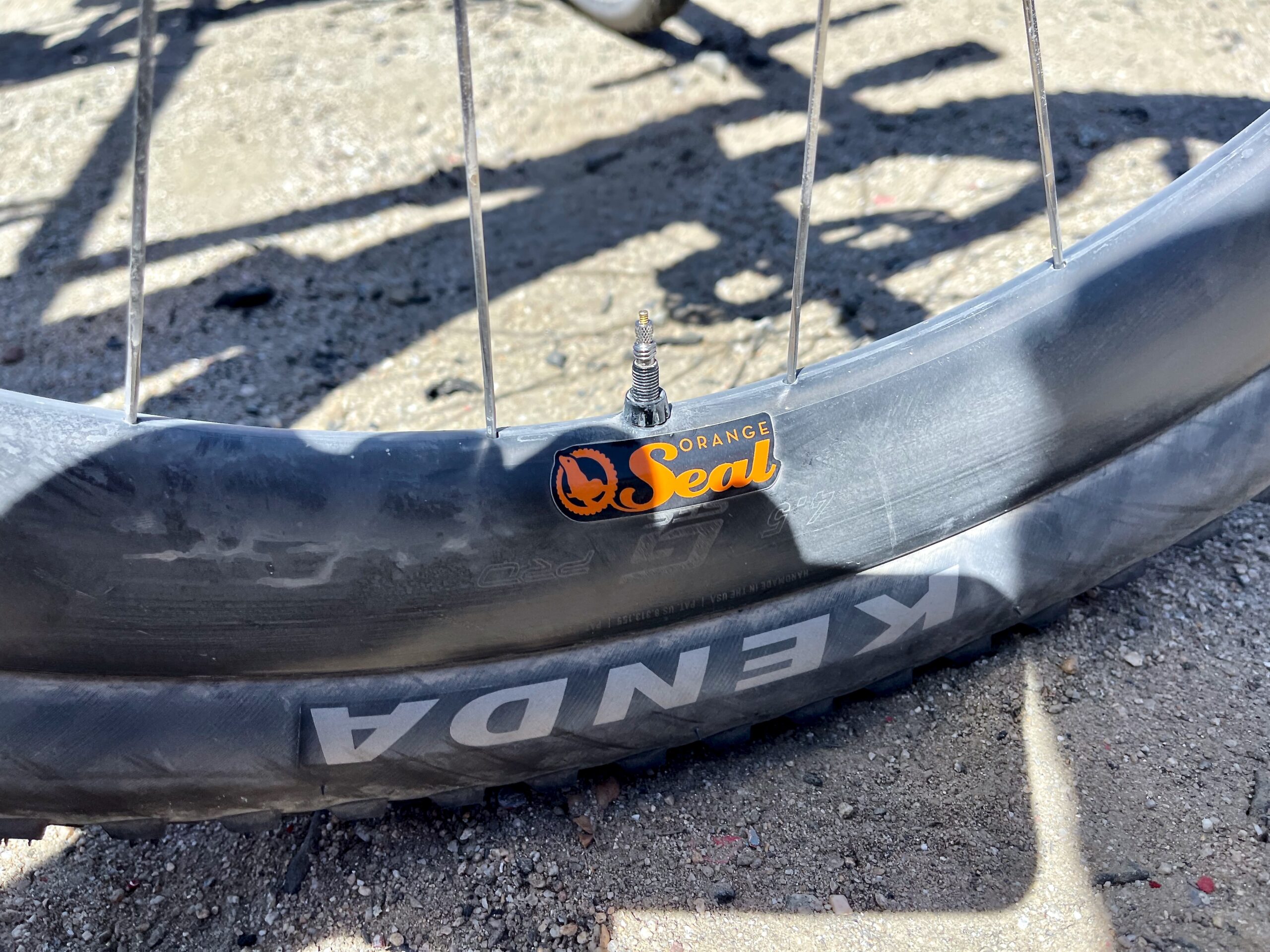
ENVE brings over its Wide Hookless Bead (I can hear the comments already) design here, which is essentially a reinforced edge that helps reduce pinch flats and spread out impact forces.
It’s not the flashy part of the story, but it’s probably one of the most important—because gravel still has a way of reminding you it’s not road riding.
Weight vs Strength: The Tradeoff Isn’t Going Away
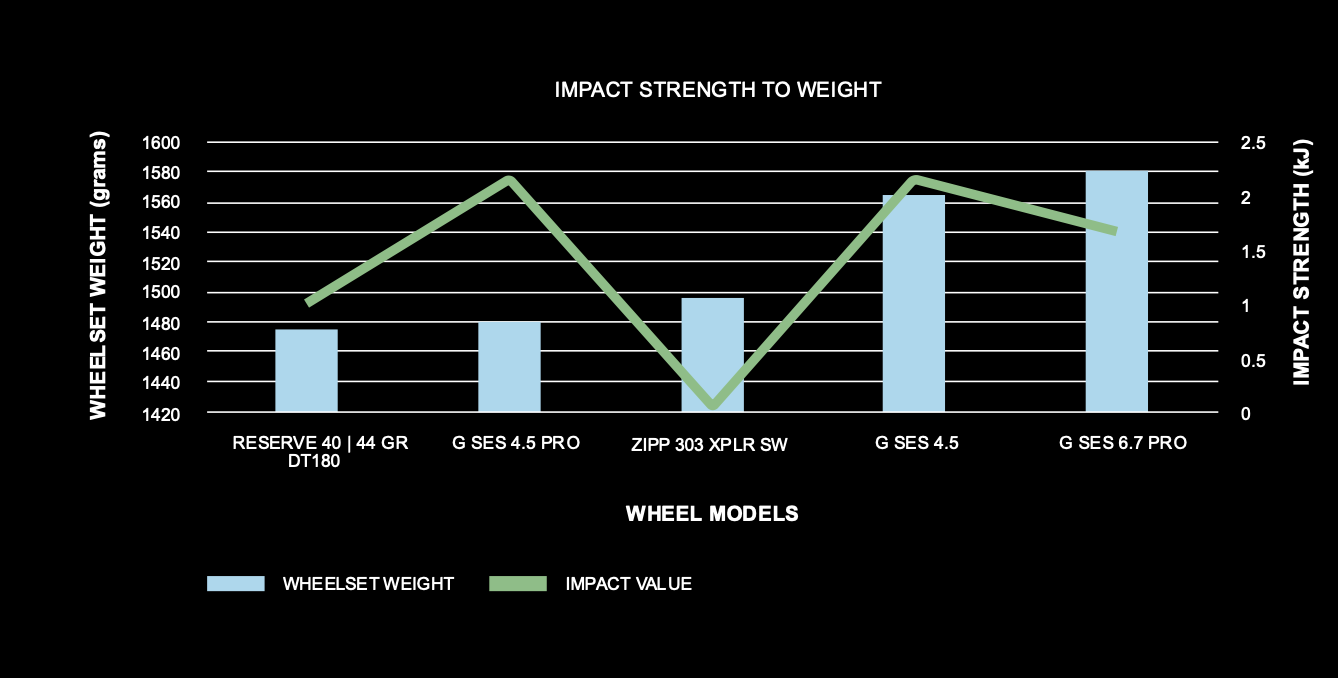
No surprise, the 6.7 Pro is the heaviest option in the lineup. Deep rims tend to do that.
But it also shows strong impact resistance, which is the tradeoff ENVE is clearly willing to make. The 4.5 Pro strikes a more balanced point, while something like the Zipp 303 XPLR leans lighter but may sacrifice a bit of durability.
There’s no perfect answer here; it just depends on how and where you ride.
ENVE G SES Gravel Wheels — Full Tech Details
ENVE G SES 6.7 PRO
- Rim Depth (F/R): 60mm / 67mm
- Internal Width: 35mm
- Wheelset Weight: 1580g (incl. tape + valves, HG freehub)
- Rim Weight (F/R): 505g / 500g
- Wheel Weight (F/R): 735g / 845g
- ERD (F/R): 532mm / 517mm
- Sidewall Width: 3.8mm
- Spokes: Silver Alpina Ultralite
- Hub: ENVE Innerdrive PRO
- Hole Count: 24h
- Tubeless Tape Width: 39mm
- Valve Length: 80mm (F) / 85mm (R)
- Spoke Tension: 120kgf
- Nipples: Alpina Nylock Alloy Internal
- Brake Mount: Centerlock
- Recommended Tire Size: 44–52mm
- Technology: Wide Hookless Bead (pinch flat protection)
- MSRP (USD): Front: $1,400 / Rear: $1,700
G SES 4.5 PRO
- Rim Depth (F/R): 49mm / 55mm
- Internal Width: 30mm
- Wheelset Weight: 1480g (incl. tape + valves, HG freehub)
- Rim Weight (F/R): 455g / 450g
- Wheel Weight (F/R): 685g / 795g
- ERD (F/R): 556mm / 543mm
- Sidewall Width: 3.8mm
- Spokes: Silver Alpina Ultralite
- Hub: ENVE Innerdrive PRO
- Hole Count: 24h
- Tubeless Tape Width: 34mm
- Valve Length: 66mm (F) / 72mm (R)
- Spoke Tension: 120kgf
- Nipples: Alpina Nylock Alloy Internal
- Brake Mount: Centerlock
- Recommended Tire Size: 44–52mm
- Technology: Wide Hookless Bead
- MSRP (USD): Front: $1,400 / Rear: $1,700
G SES 4.5
- Rim Depth (F/R): 49mm / 55mm
- Internal Width: 30mm
- Wheelset Weight: 1565g (incl. tape + valves, HG freehub)
- Rim Weight (F/R): 455g / 450g
- Wheel Weight (F/R): 725g / 840g
- ERD (F/R): 556mm / 543mm
- Sidewall Width: 3.8mm
- Spokes: Sapim CX-Ray
- Hub: ENVE Innerdrive Premium
- Hole Count: 24h
- Tubeless Tape Width: 34mm
- Valve Length: 66mm (F) / 72mm (R)
- Spoke Tension: 120kgf
- Nipples: Alpina Nylock Brass Internal
- Brake Mount: Centerlock
- Recommended Tire Size: 44–52mm
- Technology: Wide Hookless Bead
- MSRP (USD): Front: $1,300 / Rear: $1,550
ENVE vs Zipp: Two Different Takes on Fast Gravel
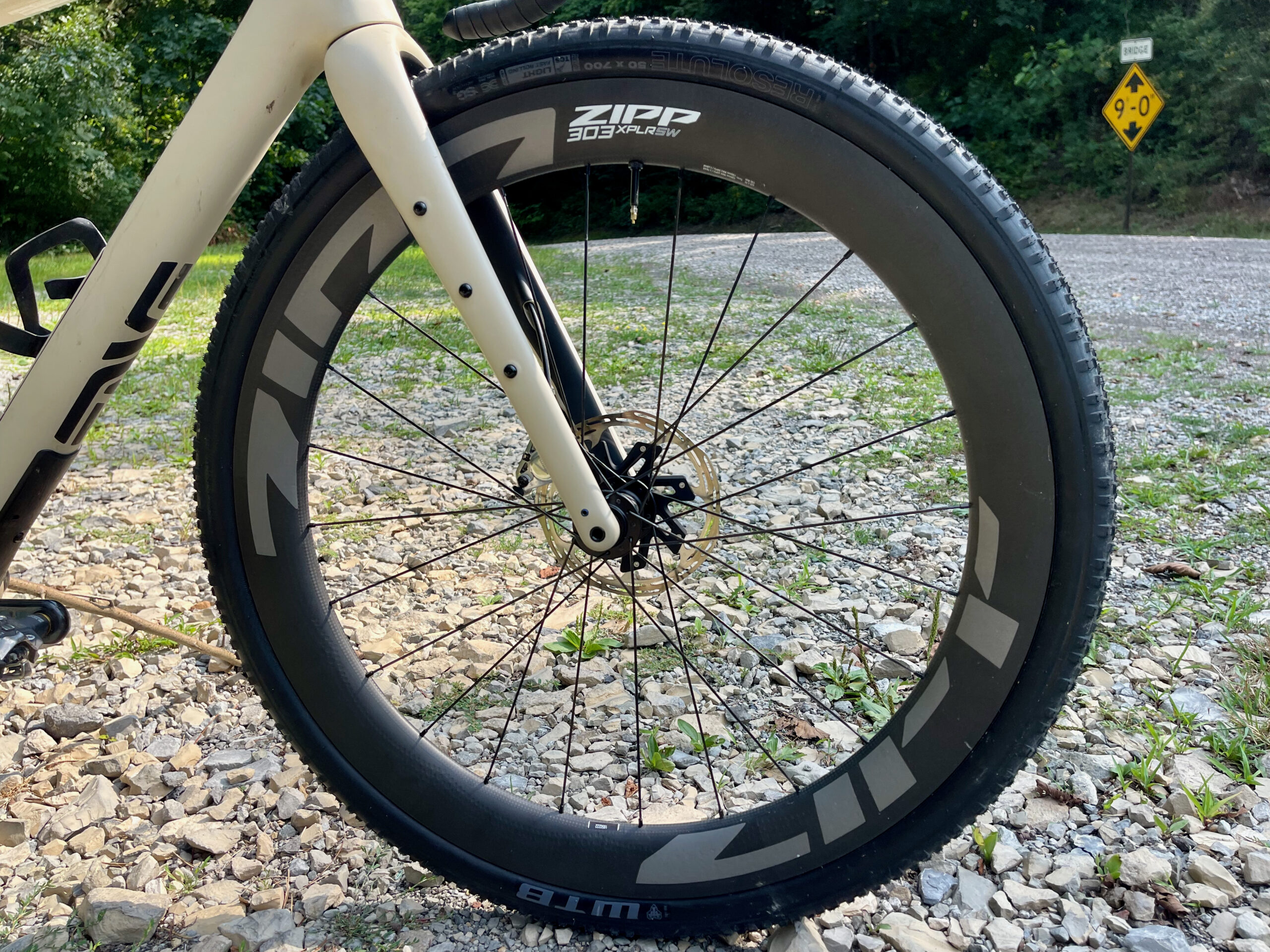
The obvious comparison here is the Zipp 303 XPLR, and it’s a good one because both brands are chasing the same goal: faster gravel, but from different directions.
Zipp leans toward a wider, shallower design focused on compliance and simplicity. It’s built to work with big tires and lower pressures, and aero gains are more of a secondary benefit. It’s 32mm internal compared with ENVE’s 30mm, but both share large, squared-off beads.
ENVE went with deeper rims, more aggressive aero shaping, and a clear focus on gaining watts at speed. Neither is wrong; they’re just solving the same problem differently.
If your riding is rough, variable, and you like a snappier climbing wheel, the Zipp still makes a lot of sense.
But if speeds are high and you’re spending time on long stretches of open gravel, ENVE’s approach starts to look pretty compelling.
We look forward to getting a set of the G SES 6.7 in for review and to a proper shootout between the heavy hitters of wide-aero gravel wheels. The ENVE G SES Wheel line is available now online and at shops
For more info – check out ENVE.com
The post ENVE G SES Wheels Go Wider & Fully Aero for Gravel appeared first on Bikerumor.