One of the most interesting developments at BOA recently has nothing to do with shoes. Sure, you can already find a lot of BOA products other than shoes. But in the cycling world, it’s still probably best known for the BOA Fit System – those little dials on your shoes that help you cinch down the perfect fit.
BOA has also been working on integrating their Fit System into helmets for almost a decade now, and every step of the way has seen significant improvements. But lately there’s been an entirely new development that could have a profound impact on the safety of BOA-equipped helmets.
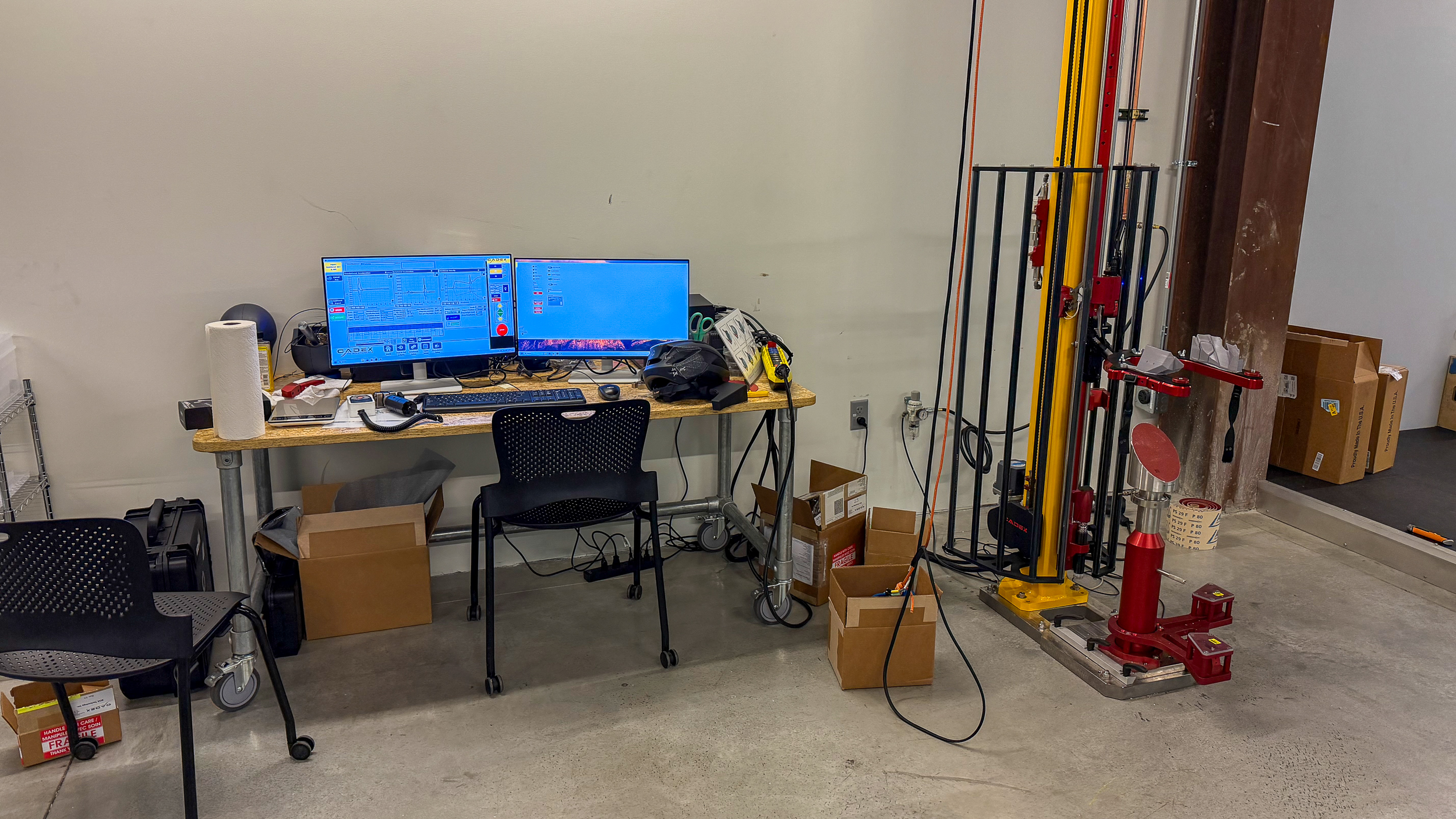
Wanting to better understand the interaction of the fit system with helmet safety tech like MIPS and the helmet as a whole, BOA went all in on testing and built their own test studio in its Human Performance Fit Lab at their headquarters in Denver, Colorado.
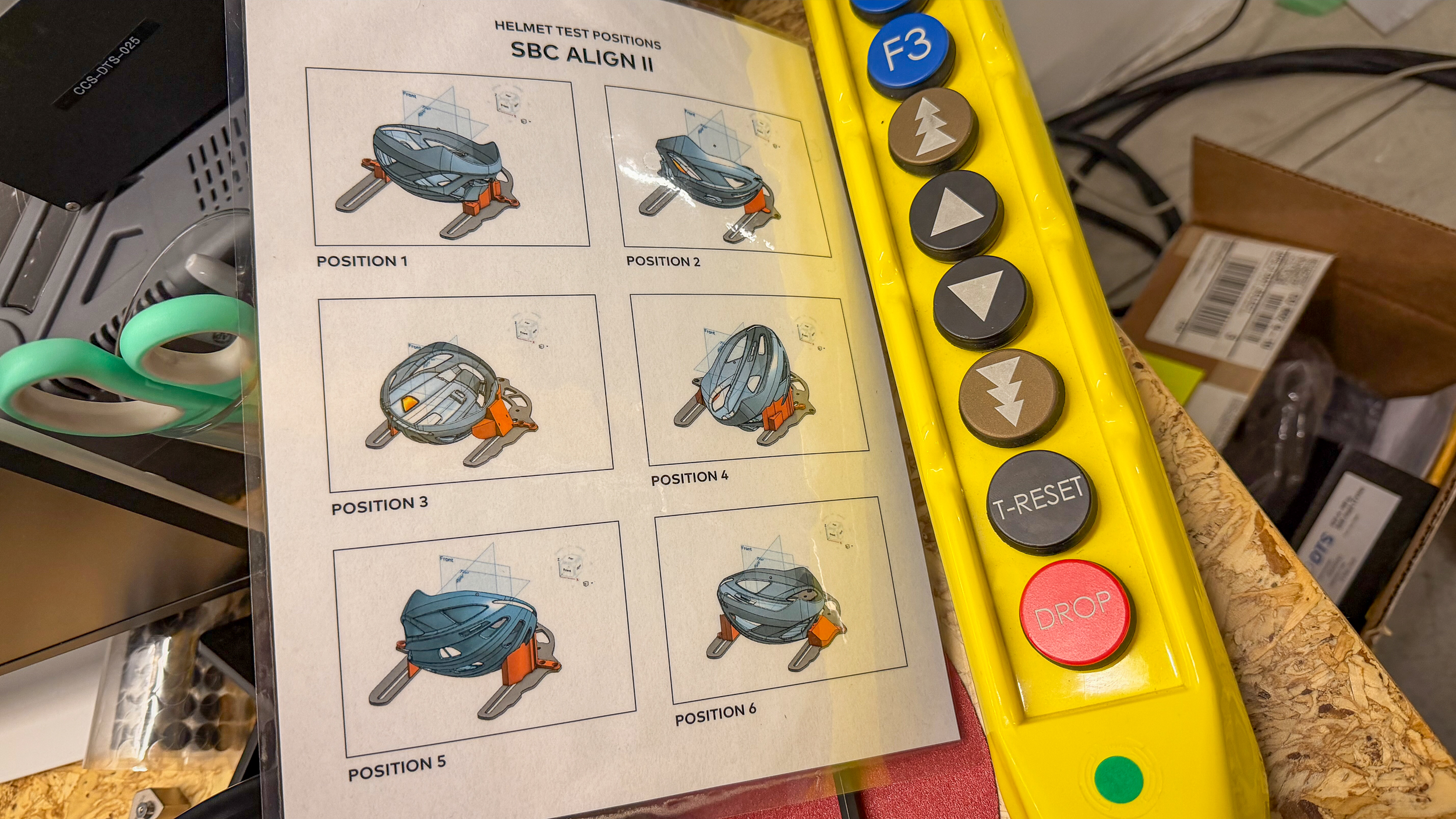
The testing at Virginia Tech is largely considered the gold standard at this point, so the testing rig replicates their procedure, which requires dropping the helmet on six different locations. The process is repeated with another helmet to understand any variability between models.
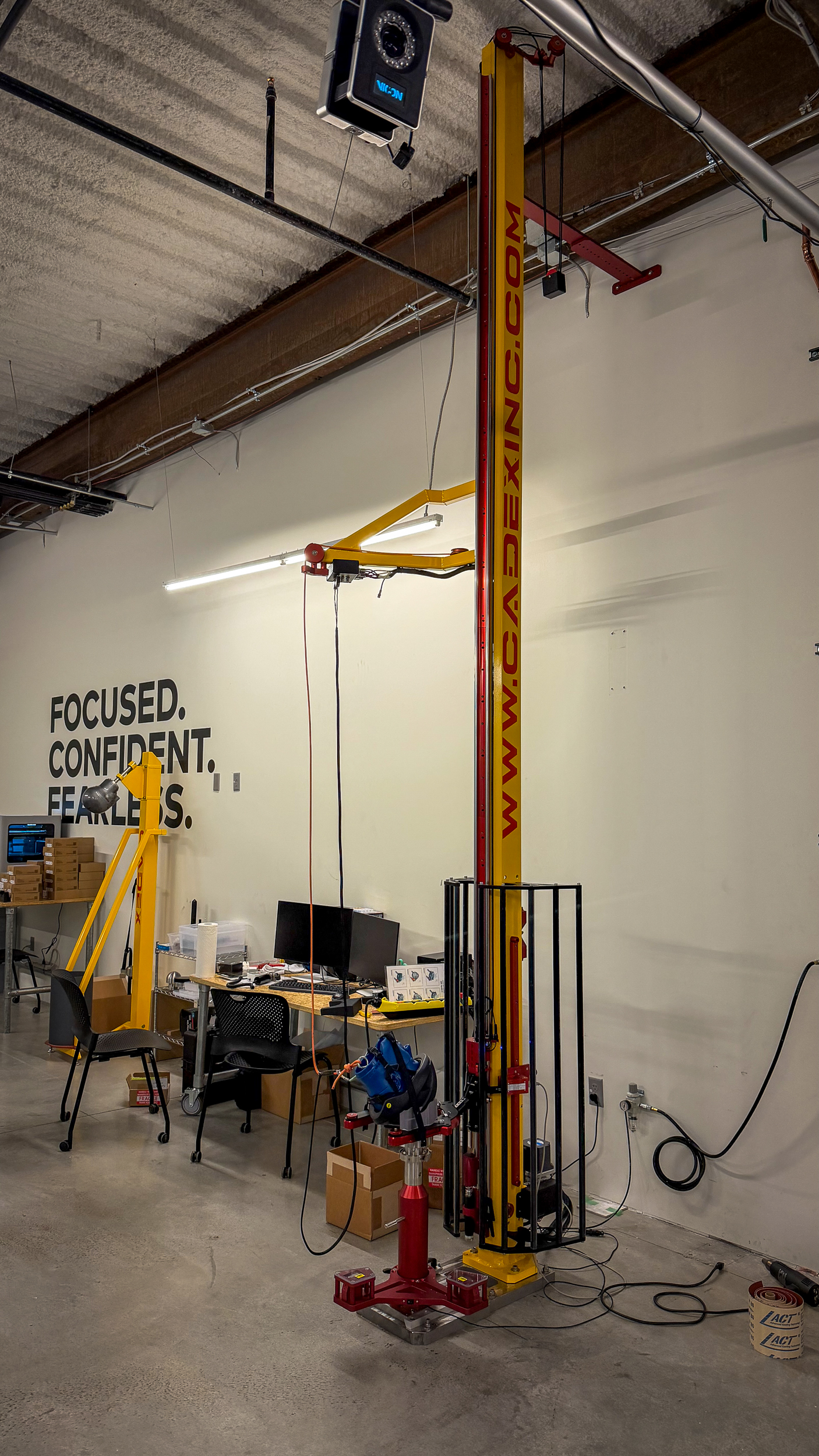
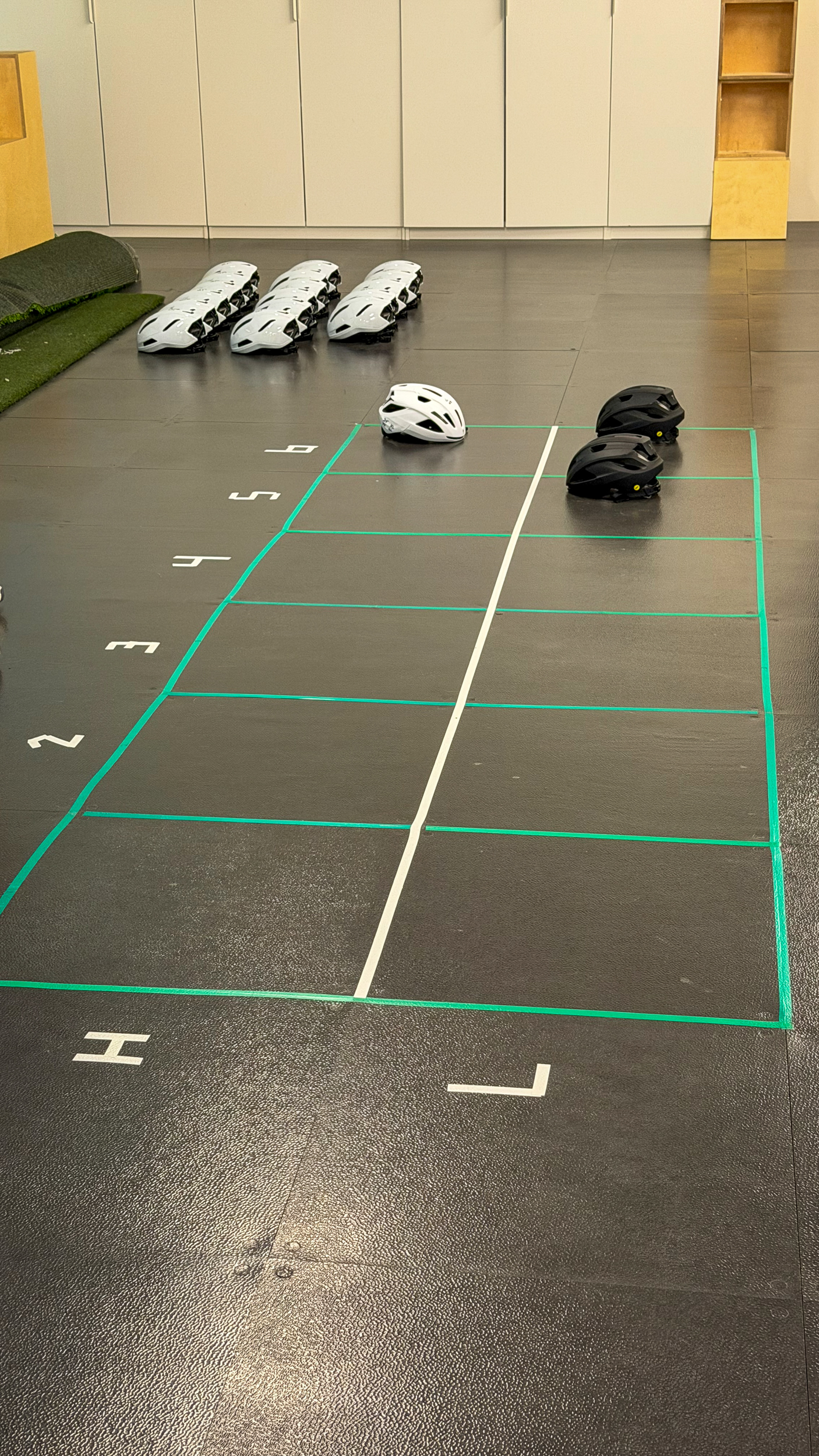
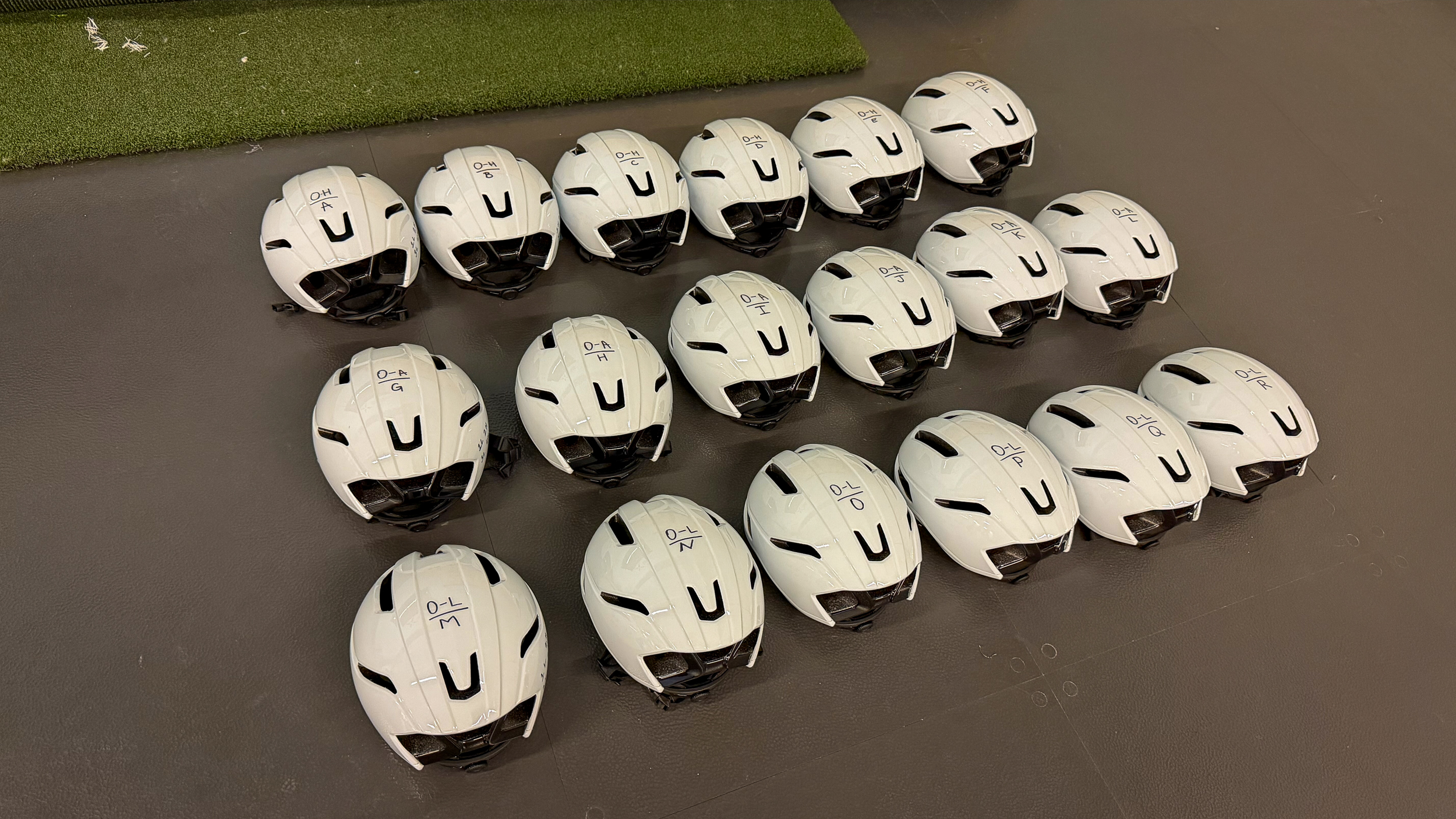
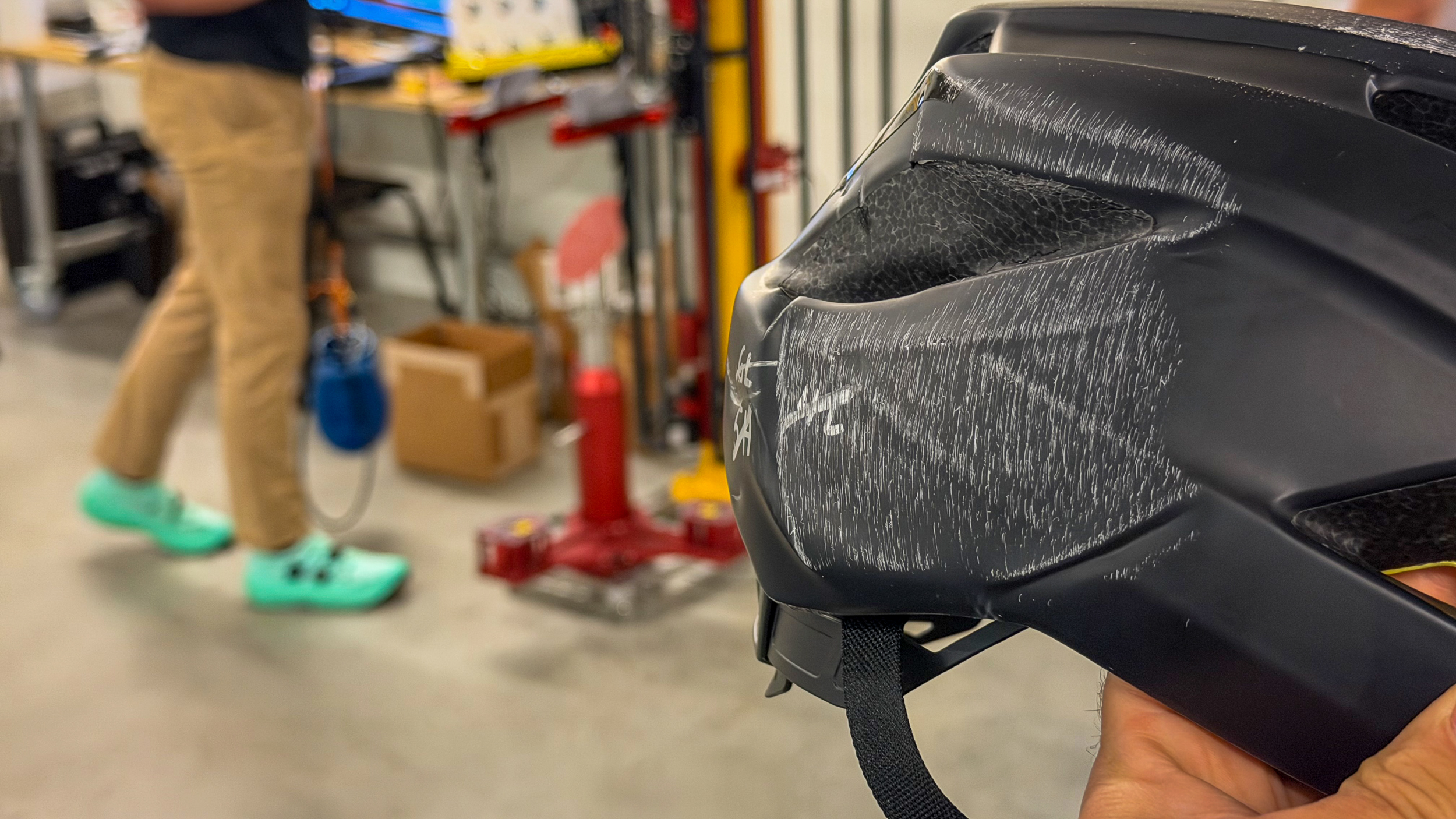
In addition, drop tests are performed at two different speeds while measuring both linear impact and rotation. BOA has been testing the same helmet with and without MIPS to better understand the difference. Ultimately, they hope that having the ability to prototype and then test in-house will yield the ability to create safer helmets, which may also lead to performance improvements – like figuring out ways to provide better retention on the head without overtightening or overheating.
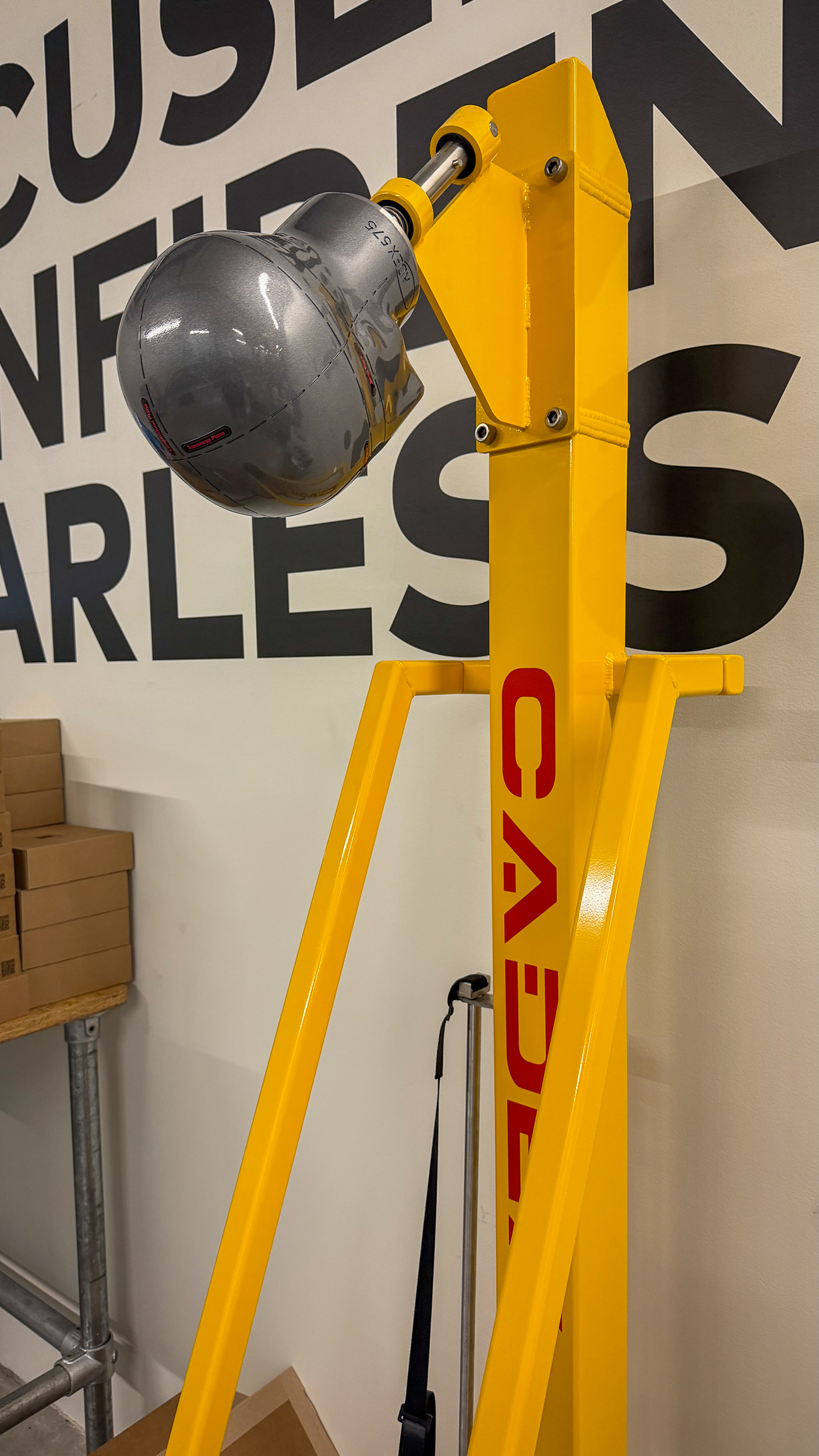
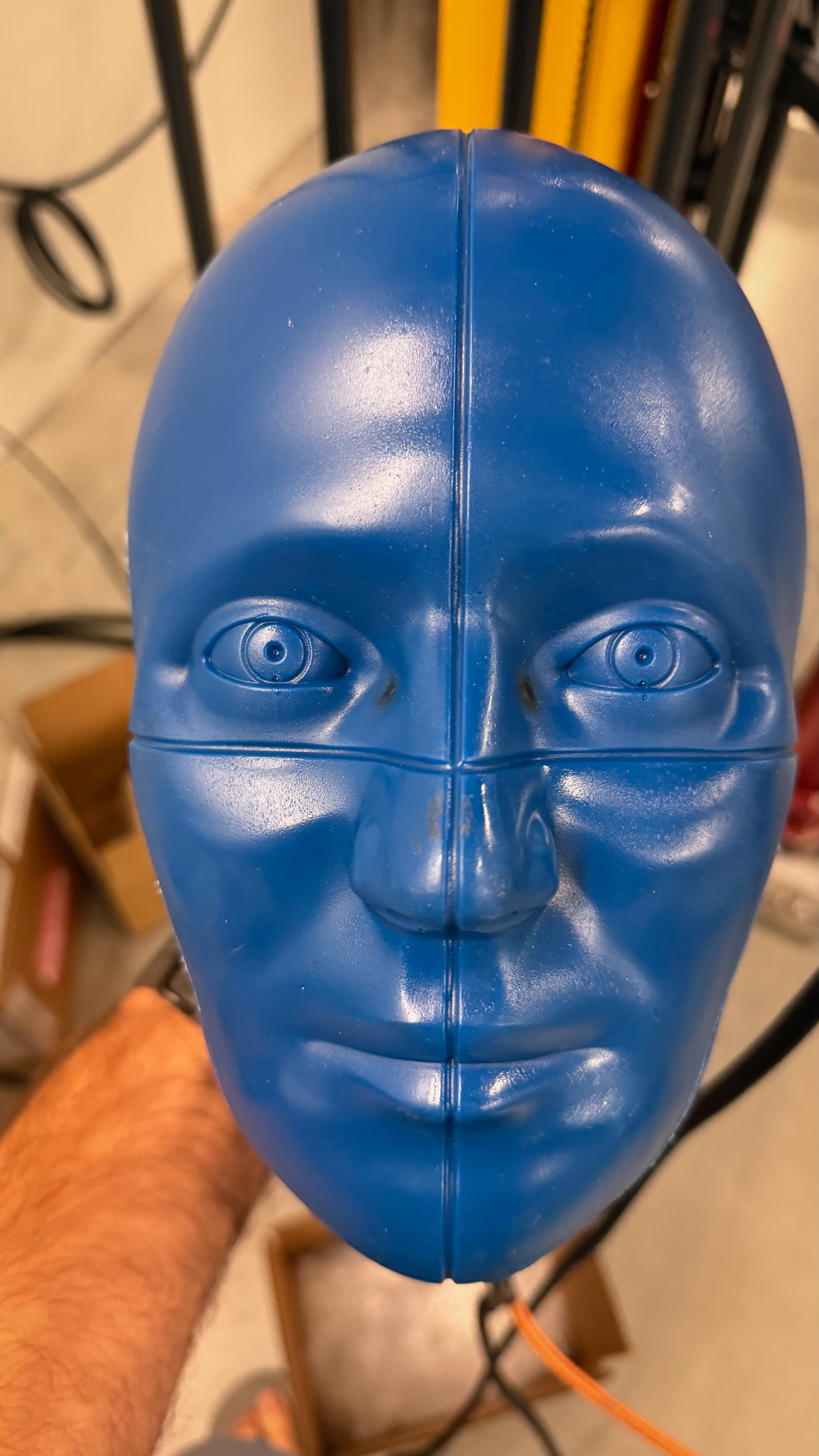
While using test dummies allows for repeatable test results, it will be interesting to see how BOA uses their new capabilities to test the effect of things like hair or cycling caps on helmet and rotation mitigation systems’ performance.
Obviously, a lot of BOA’s helmet partners will do their own testing and development, but having the facility on site will allow BOA to develop the next evolution of their fit system so they can offer that to partners in the future. One of the most exciting aspects to me is that BOA isn’t in the position of trying to sell you a helmet. They simply want to offer a fit system that makes all helmets safer and better performing, and now they have the equipment to take that even further.
Real World Testing
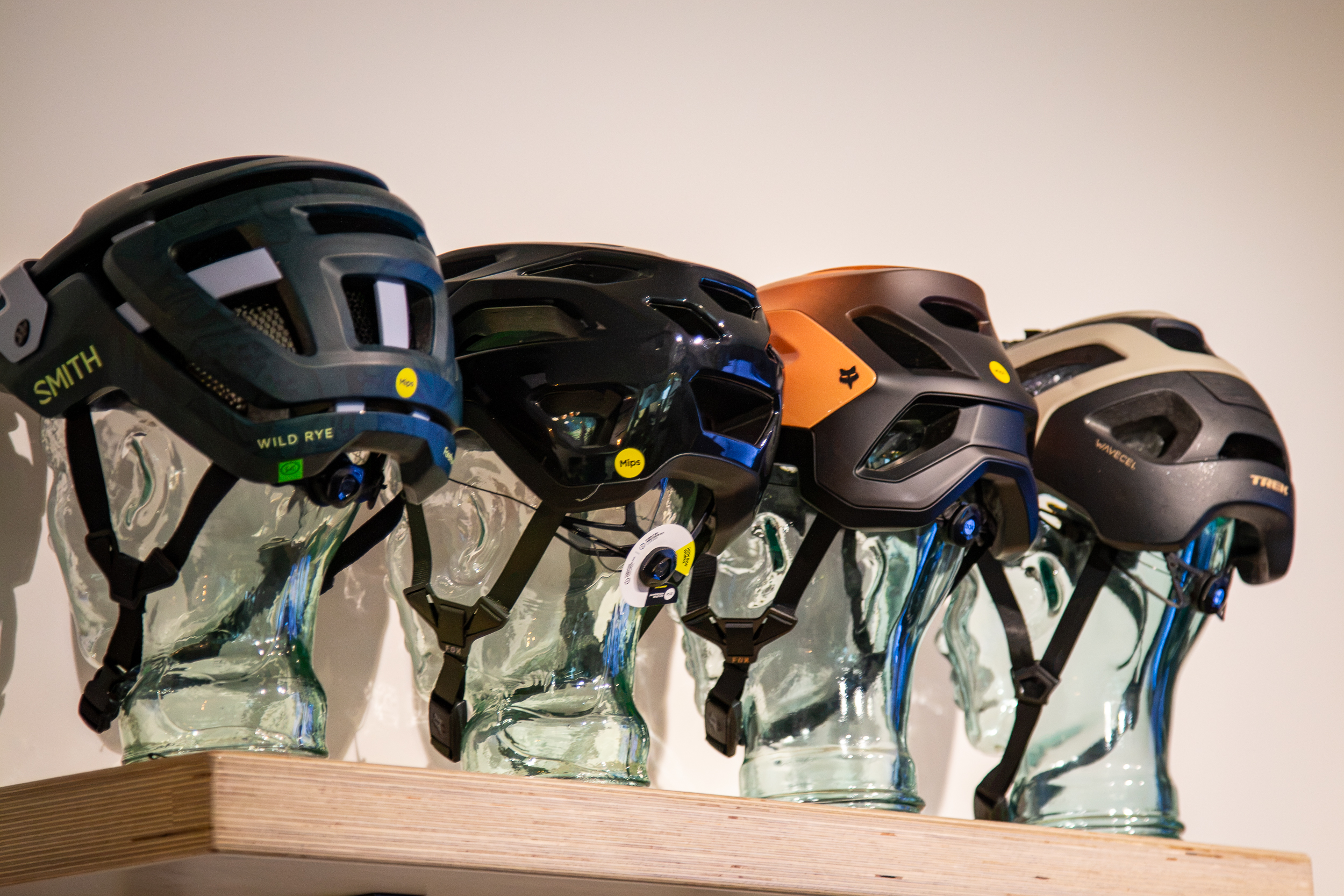
I’ve been watching this evolution of the fit system closely for years now, and can personally vouch for the improvements. Initially, many of the BOA-equipped helmets simply didn’t work for me. But each successive model was a little better, which brings us to helmets like the recently released Specialized Ambush 3.
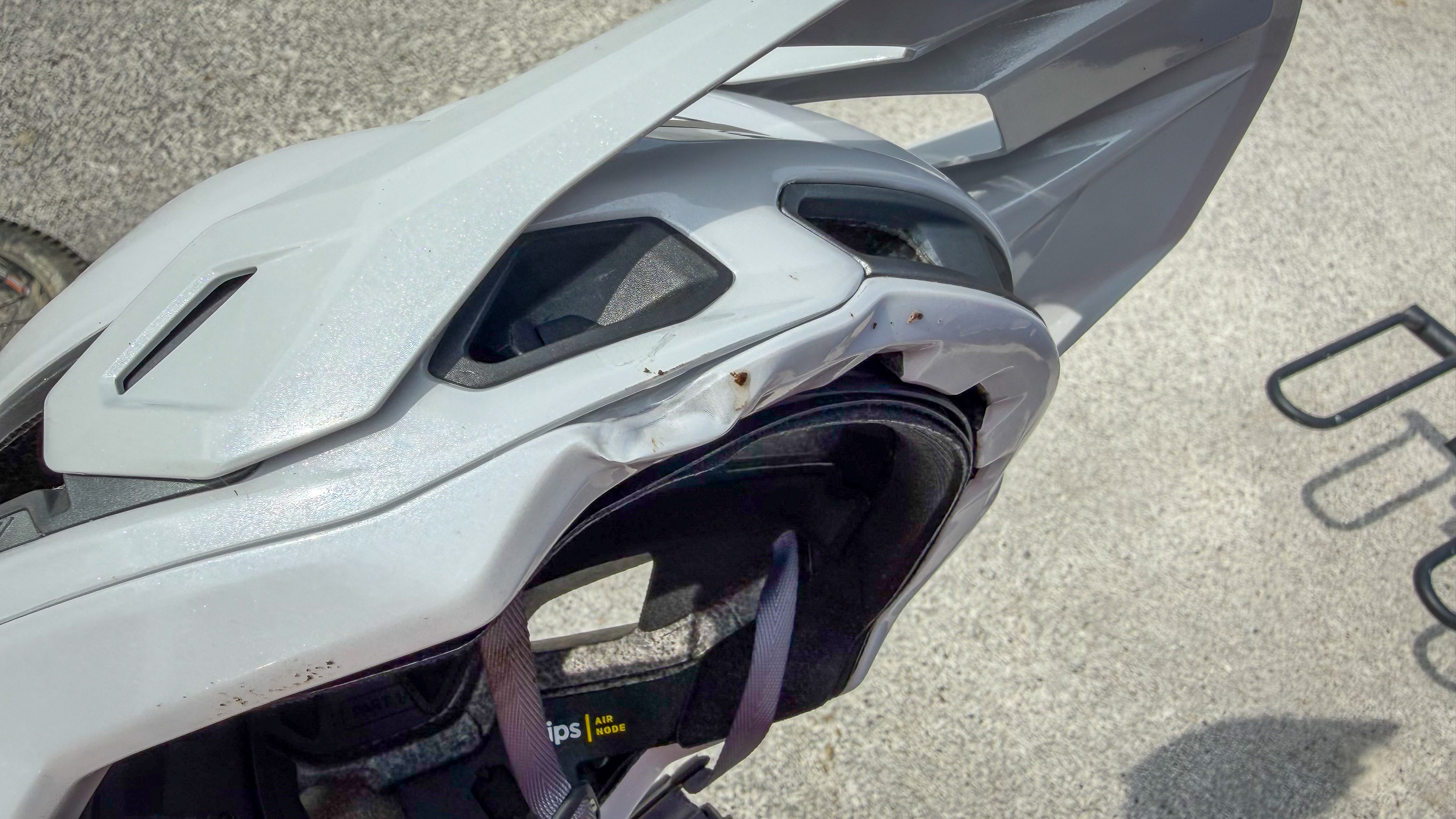
Not only is the BOA Fit System in the Ambush 3 substantially more comfortable than earlier BOA MTB helmets, but I’m also certain it played a big role in preventing serious injury in a recent crash. After a tap of my bar against a tree, I was sent into a high-side crash, only to have a small, stubby tree trunk stop all my forward momentum while leading with my head. Based on the impact, if my helmet had moved even half an inch in that initial part of the crash, one of those stubby branches could have gone into my eye socket instead of the helmet.
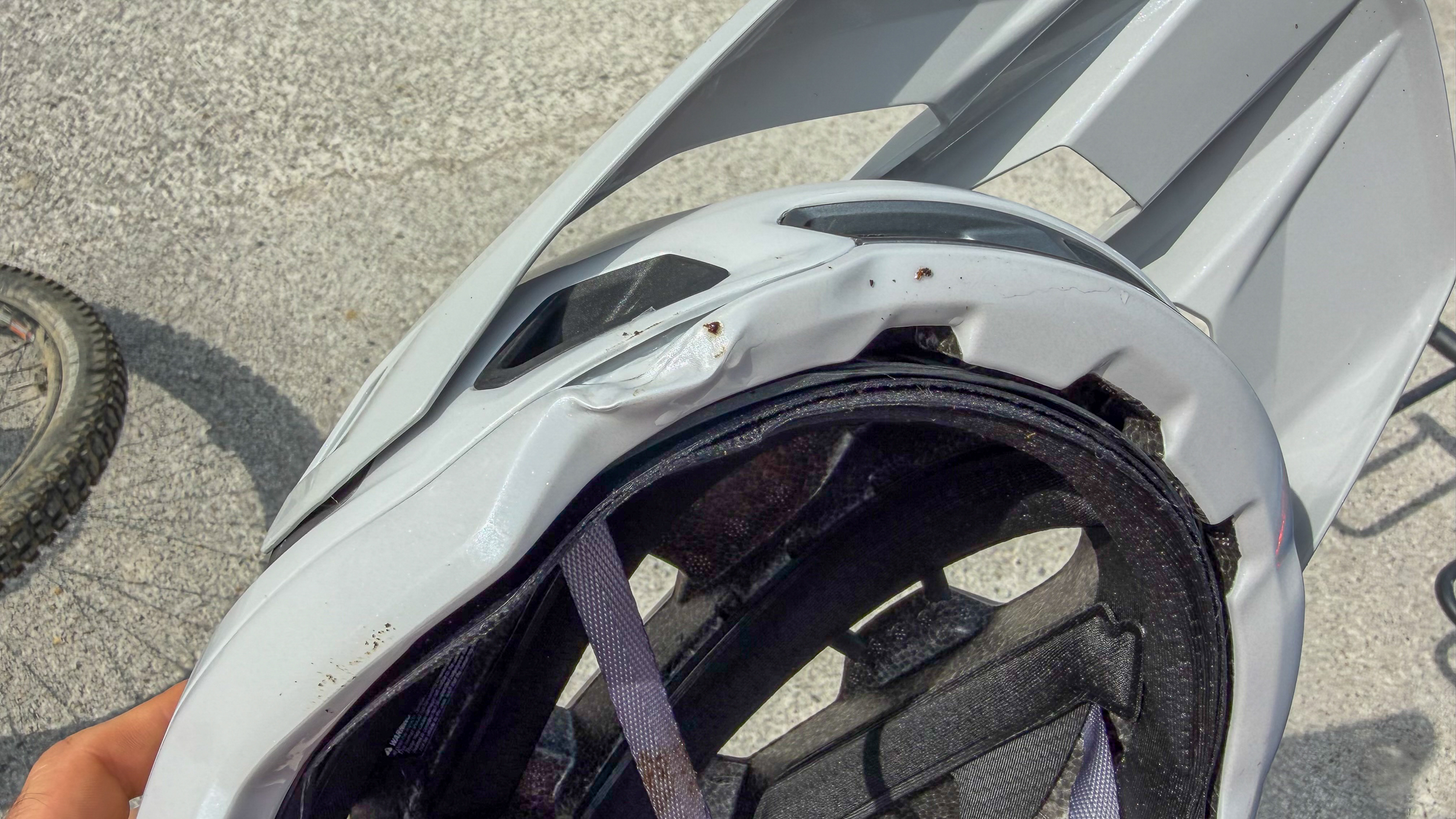
While I’m pretty sure I ended up with a slight concussion, given the circumstances, I’m extremely pleased with the performance of the helmet and would certainly replace it with the same model. My biggest takeaway from the BOA Fit System on the Ambush 3 is that it holds the helmet in position extremely well without having to really crank it down. It’s not one of those helmets that you can feel the muscles tense under the helmet when chewing a trail snack, or feel like the blood flow is being cut off to your scalp.
So, in a short period of time, BOA-equipped MTB helmets have gone from something I couldn’t wear to some of my absolute favorites.
And if that was all before BOA built their in-house testing facility, I can’t wait to see what comes next.