A sprint stage to the capital to conclude the Giro’s Balkan start.
Stage 2 review: Polti-Malta riders Mirco Maestri and Diego Pablo Sevilla went clear with Sevilla out for more mountains points. He’s on 24 points now (and there are 18 available for the second category climb today, presumably his finish line). Several sprinters were dropped on the mid-stage mountain pass with Arnaud De Lie suffering the most but he was able to get back to the convoy and then to the bunch.
With 23km to go a UAE rider towards the front of the bunch seemed to grab the brakes and lock up his front wheel, sliding out and taking many down with him. The bend was lined by a crash barrier and riders slammed into this at speed. Marc Soler, Jay Vine, Adne Holter and Santiago Buitrago left the race, plenty more were left with abrasions and musculoskeletal trauma.
The race was was briefly neutralised to take stock and see if there was medical cover left. Things resumed within a few kilometres.

On the Lyaskovets climb Davide Piganzoli set the pace with his captain Jonas Vingegaard in second wheel. It looked prudent, to keep the Dane out of trouble but once Piganzoli could pull no more and the group had been reduced to less than 50 riders Vingegaard accelerated. Prudence? Was it to keep out of trouble ahead of descent? No, this time he stamped on the pedals in a real attack and only Giuilo Pellizzari and Lennart Van Eetvelt could follow.

Van Eetvelt was after the stage win without an interest in gaining time but it showed too much and this slowed the trio. Jan Christen floated across but this just sabotaged the group further and they were swept up by the group in the final kilometre. In the sprint Thomas Silva had the timing and speed to take a surprise win for XDS-Astana with Christian Scaroni being the more obvious contender. Silva has been a punchy rider who seemed to specialise in Asian races when at Caja Rural, and now at Astana after winning the Tour of Hainan last month. Now he has his first World Tour win and the maglia rosa for today and probably beyond.

We got a glimpse at the GC race with Pellizzari able to follow Vingegaard. Plus the hypothesis of Vingegaard being out to take advantage of every opportunity is bolstered but with one example, we’ll look out for more.
Derek Gee-West was part of the big crash and would lose a minute, a setback. Adam Yates finished over 13 minutes down. Santiago Buitrago didn’t finish the stage. Andrea Vendrame won’t start today.
Overall for all the novelty and surprise of Silva’s win, the day had a sour note for the crash and the damage it caused.
The Route: 175km and with a second category climb offering 18 points for the first rider over, a finish line of sorts for the competition leader Diego Pablo Sevilla with 24 points already.
The Finish: an 8km long finishing straight.
The Contenders: a sprint finish and we’ll see if Jonathan Milan (Lidl-Trek) can get this. He looked underpowered in the opening stage but this could just have been the crashing and chaos around him but it’s a concern. Tobias Lund (Decathlon-CMA CGM) could be more reliable today. Paul Magnier (Soudal-Quickstep) has the speed, power and lead-out to make him a factor too.
Dylan Groenewegen (Unibet Rose Rockets) gets a finish to suit as if there are other flat stages, ones like Napoli are full of corners and even some climbing.
 |
Lund, Milan |
 |
Magnier |
 |
Groenewegen, Vernon, Van Uden |
Weather: sunshine and clouds, 23°C.
TV: KM0 is at 13.05 and the finish is forecast for 5.15pm CEST.
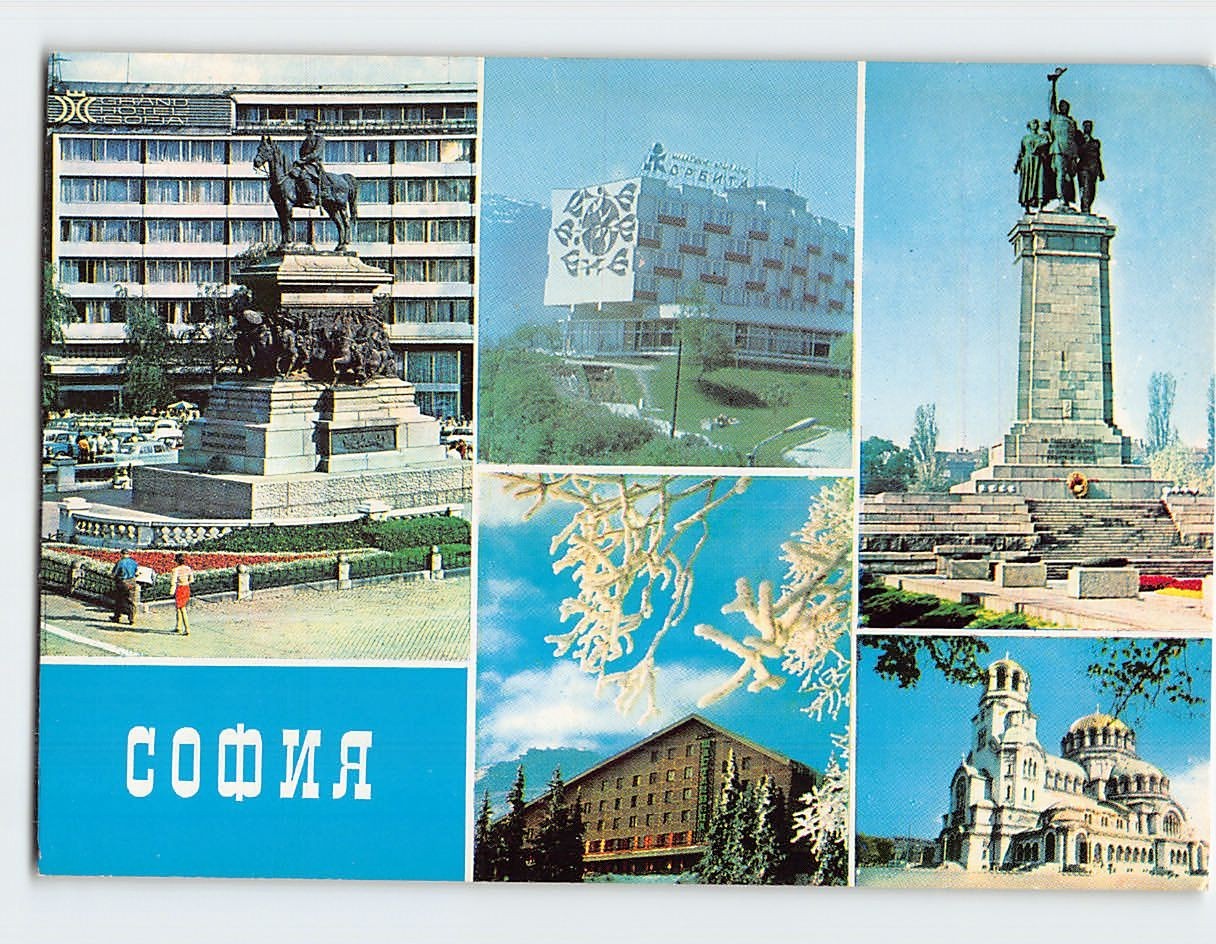
Postcard from Sofia
The race goes to the capital city today and it’ll be interesting to see the turnout in the city. The government has changed this weekend so there are bigger stories. It has not been easy to find local press coverage about the Giro, there was a piece explaining the history of the race with references to Fausto Coppi and similar but often articles have been along the lines of “the following roads will be closed, expect delays” or “the Giro is a big bicycle race, the national authorities are using it to promote tourism”, the tone was of inconvenience and something being done rather than an invitation to a party. But all this was viewed from afar via an internet connection, clearly a lot more happened on the ground as the crowds have impressed so far, people have come out to see.
The Giro will make its way to Italy now. Each team gets up to 20 seats on charter flights for riders and team staff. There’s also a ferry from Greece to Italy to take team vehicles, that involves a 600km drive away from Sofia. All the logistics mean the race pauses on Monday, but the “rest day” is a euphemism for “travel day”.
Not everyone is making the journey. Some teams sent staff for the Bulgarian start who go home this evening, with a separate crew waiting to start work on work in Italy. Host broadcaster RAI has kept staff including several of its presenters in Italy where they’ve been broadcasting their post-stage “Processo” show from Consenza too.
This year’s Giro is 24 days long. The UCI rules (2.6.007) say a grand tour should be up to 23 days but allow for an extra day once every four years “to organise the start in a non-adjacent territory to the country of the event and/or requiring a long transfer” only Bulgaria comes a year after Albania so this rule is flexible.
It opens the door to further travels. This time last year Abu Dhabi was being talked of as a possibility for 2027. It’s hot and not just the 40°C temperatures likely in early May but the geo-political situation too. Maybe there’s even more of a need to appear open for business and the Gulf state will pay even more of a premium than it pays for the organisation of the UAE Tour. It could fork out for the biggest hosting fee in pro cycling. Just don’t expect the same crowds.