With spring Classics season in the rear-view mirror, attention in the Women’s WorldTour swiftly shifts to stage racing season and the first Grand Tour of the year, La Vuelta Femenina.
Liège-Bastogne-Liège closed out the Classics just a few days ago, but already a chunk of the peloton at the Belgian Monument – including contenders such as Pauline Ferrand-Prévot, Kasia Niewiadoma-Phinney, and Anna van der Breggen – will be packing up and heading to Spain to take on the hills and mountains of Northern Spain.
The route of La Vuelta Femenina 2026 will take the riders on a challenging seven-day trek from Marín in Galicia to the fearsome Alto de l’Angliru in Asturias, with 815km and 11 classified climbs lying in their way.
Article continues below
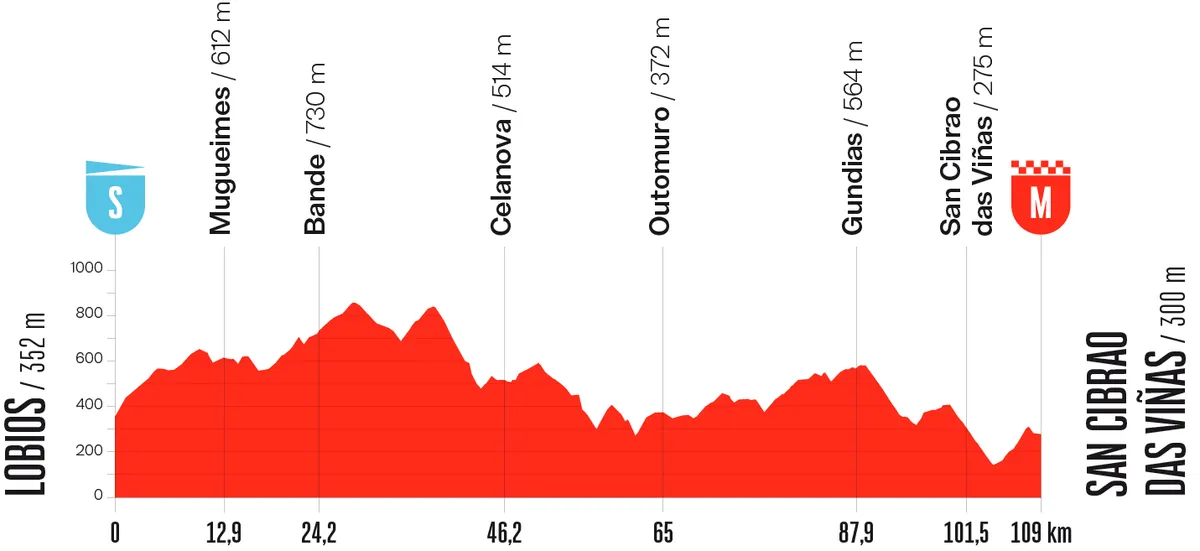
Stage 2: Lobios – San Cibrao das Viñas (109km)
Following the likely sprint finish to open the race on a hilly day one in Salvaterra de Miño, La Vuelta Femenina poses another hilly challenge on stage 2, the second-shortest of the race.
The two opening stages may be comparable in terms of elevation gain, but while the climbing in the opener is focussed earlier in the stage, the second day of the race features a sting in the tail.
Stage 2, a 109km run from Lobios to San Cibrao das Viñas, along with the third stage to the Galician capital A Coruña, is one of only two days of the race without a classified climb. But that doesn’t mean it’s a flat ride to the finish suited to the sprinters.
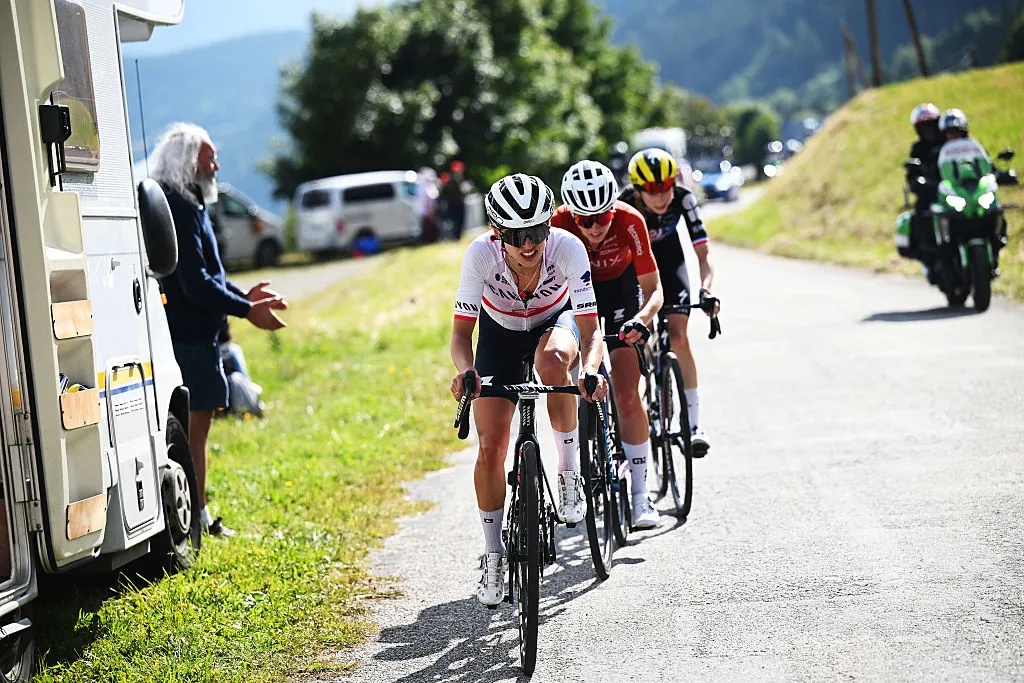
Instead, hills pack the route, and there could be a chance for late GC action if the contenders are up for it. A pair of uncategorised hills and a late descent fill the closing 15km of the stage, with the climb in the last few kilometres a possible launchpad for a late attack.
Last year, we saw Anna van der Breggen claim the first win of her comeback at La Vuelta Femenina, surging clear on the late descent of stage 4 to Borja. Could another hopeful look to do the same here? The terrain certainly seems suited to such a move.
Equally, the stage could conclude with a triumph for a breakaway or a reduced bunch sprint, but of the opening three days, it looks best suited to a GC attack. Another hilly day on stage 4 is similar.
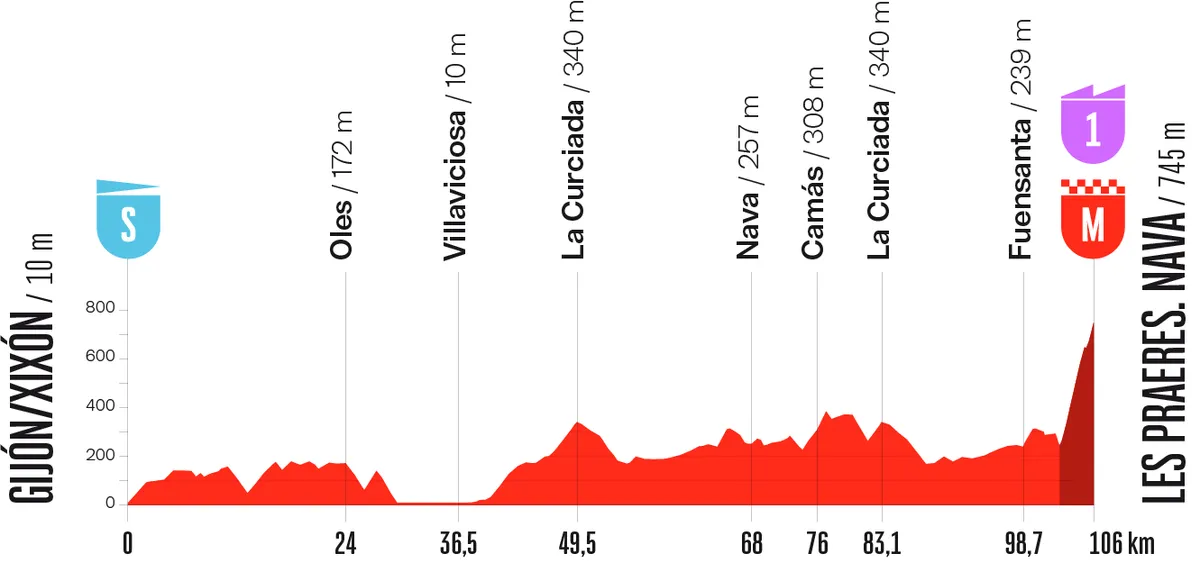
Stage 6: Gijón – Les Praeres. Nava (106km)
It’s no secret that the route of La Vuelta Femenina 2026 is a backloaded one, with the two most important GC stages coming in the final two days of the race.
Both are mountain stages finishing with tough summit finishes, and the first of them comes after the race moves from the province of León to Asturias. The mountainous region has hosted plenty of decisive mountain stages in the men’s Vuelta a España, featuring climbs in the Cantabrian Mountains including the Lagos de Covadonga, Alto de La Farrapona, Alto de La Cobertoria, Puerto de La Cubilla, and El Gamoniteiro.
The Alto Les Praeres, which hosted finishes of the men’s race in 2018 and 2022, is the headline climb on stage 6. At 745 metres of altitude, it’s far from the most feared of climbs in the region, but as the race’s first first-category climb and first summit finish, it’s one of the most important stretches of road of the week.
Running from Gijón, the stage is the shortest of the race at just 106.5km, and the day is all about the finish, a 3.7km climb which averaged a leg-breaking 13.4% gradient. Sections of the climb reach up to 20% in places, while the final 1.5km is run on a cement road.
This year’s Vuelta doesn’t include a time trial, and the first six days don’t offer a wealth of major opportunities for the red jersey contenders to pull out major time gaps. So, this climb will provide a big chance for the climbers to make a difference – although likely not a race-winning one given what lies ahead.
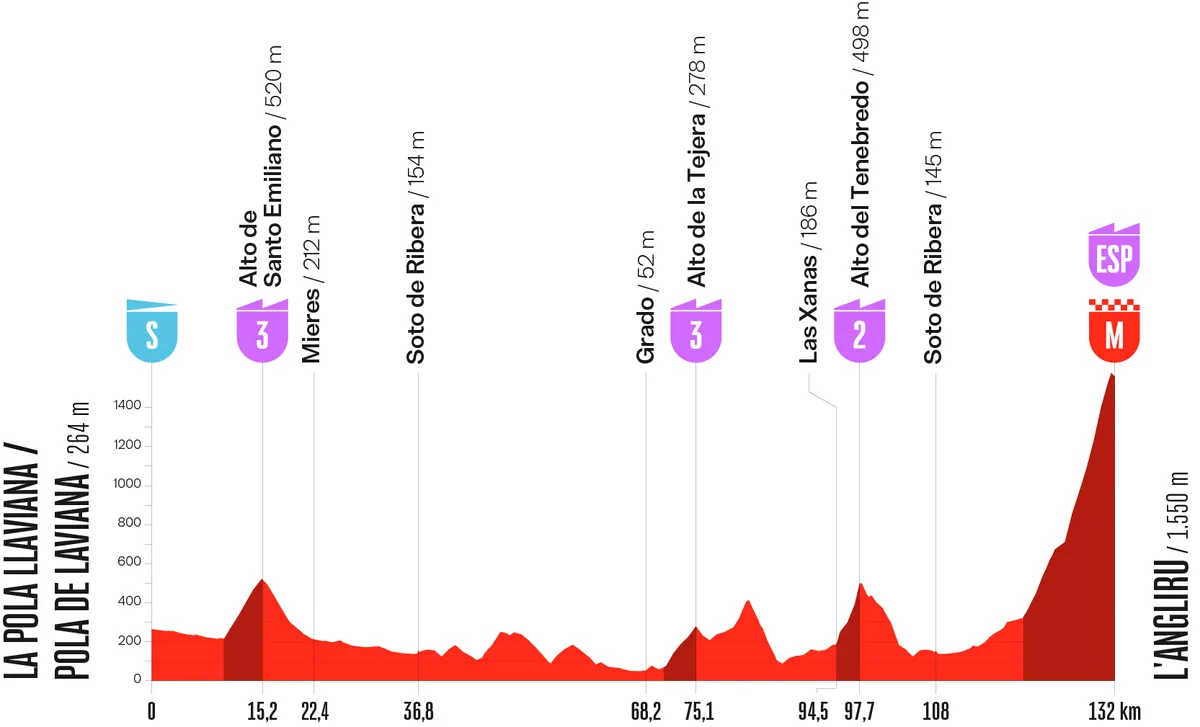
Stage 7: La Pola Llaviana – Alto de l’Angliru (133km)
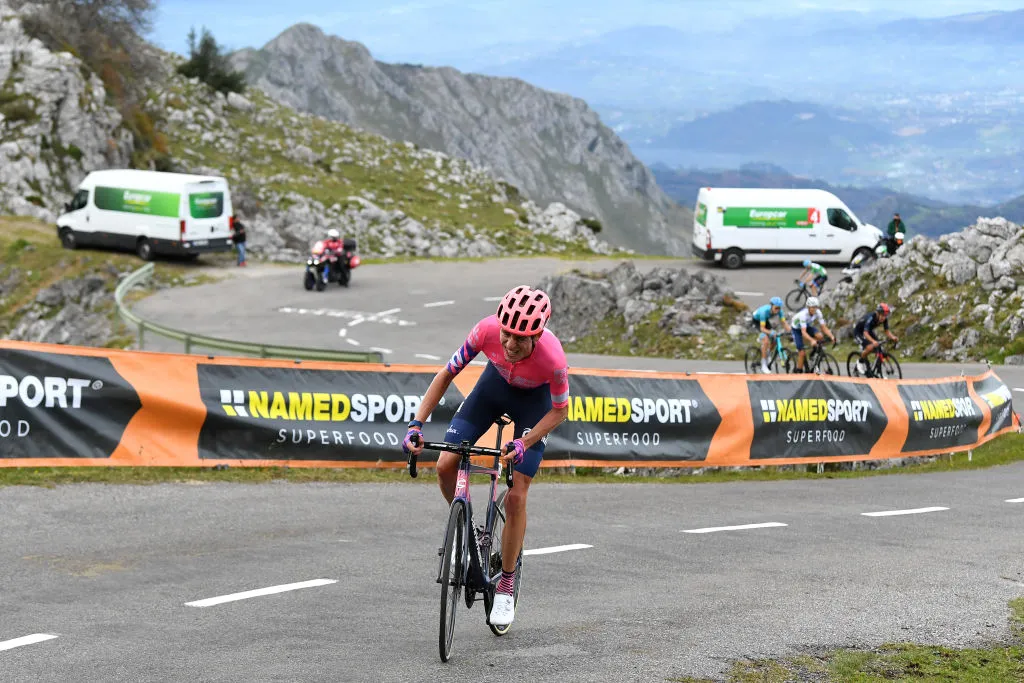
2026 brings a debut for the most feared climb in European cycling for the women’s peloton as La Vuelta Femenina heads to the Alto de l’Angliru for a grand finale.
Speaking to Cyclingnews earlier this year, Vuelta technical director Kiko García said that this is “the right moment” to introduce the Asturian monster to the Women’s WorldTour peloton.
“We know that the top riders are able to do it, no problem, but it’s important to think about the median level and the bottom of the bunch because we respect everyone, we have a lot of respect for the athletes, and we needed to be sure that everyone was OK doing that,” he said.
“So as I said, after many consultations with the teams and with athletes, we considered that it was the right moment to do it.
“We are convinced that it’s a fantastic challenge for the girls and it will be for sure a big show – we expect a great result with a fantastic final with these two climbs at the end.”
In collaboration with race director Fernando Escartín, García has helped build a Vuelta that builds towards the pivotal final weekend, all coming to a head on the Angliru, a climb which has been a feature of the men’s race on 10 occasions since its introduction in 1999.
Back then, David Millar refused to cross the finish line in protest, saying, “We’re not animals”, while Oscar Sevilla called the climb “inhumane.”
It’s unlikely that we’ll see similar protests next week, although we can expect similarly large time gaps. Last year, the men’s top 10 were covered by three minutes, while the final stage finisher crossed the line 41 minutes down.
Four classified climbs will feature on the road to Angliru for the women’s peloton, including the challenging second-category Alto del Tenebredo (3.2km at 9.7%). The day will be all about the finale, though.
The Angliru is the race’s only hors catégorie ascent, measuring in at 12.4km at an average of 9.7%. Those numbers barely tell the story of the climb, however, with the closing 6km averaging 13% and sections peaking at 24%. One of the famous named sections of the climb, the Cueña les Cabres, is a 600-metre stretch of road averaging 21% where riders struggle to top 9kph.
British hill climber Illi Gardner holds the Strava QOM for the climb with a time of 52:56. That should fall as the cream of the crop of the Women’s WorldTour peloton race their way to the summit, though the red jersey waiting for them at the top is the greater prize.
Subscribe to Cyclingnews for unlimited access to our La Vuelta Femenina coverage as the likes of Pauline Ferrand-Prévot, Kasia Niewiadoma-Phinney and others battle it out. Don’t miss any of the breaking news, reports, and analysis from one of the biggest women’s stage races of the season. Find out more.