A tough stage to start that borrows from three mountain ranges.
The Route: 140km and 3,200m of vertical gain. Is this a mountain stage? Yes, and sure it only a warm-up compared to what awaits next weekend but this takes in three mountain ranges in a day and some tough climbing.
After Vizille it’s into the Vercors mountains with a drag up to the intermediate sprint – on Paul Magnier’s home roads – and then where the Col de l’Arzelier looks soft at 5.7%, stare at the profile more and you’ll see the flat section mid-way. The first kilometre is savage with 12-15% and then two thirds of the way up there’s more steep sections.
The “Côte de Quaix” is the hard part of the Col de Palaquit in the Chartreuse Alps, complete with 12% sections on a narrow road before crossing to the Col de Vence, the Dauphiné and Tour have been here before. The descent to the valley is on a bigger road.
The final climb of the day is notable because it’s consistently steep, 8km at over 7%.
The Finish: a ride into Saint-Ismier, a suburb of Grenoble and flat.
The Contenders: who attacks where? Today could see a select group of the GC contenders coming into contest the win. The best climber and descender? Paul Seixas (Decathlon-CMA CGM) fits the bill here, one thing we’ve yet to see is how he sprints in a small group. Isaac del Toro (UAE) is another comparative pick.
Today’s climbs are Alpine but shorter in length so Netcompany-Ineos pair Oscar Onley and Kévin Vauquelin find terrain to suit… and to see which is the better bet for July.
Valentin Paret-Peintre (Soudal-Quickstep) is unlikely to be winning overall but despite the waif-like build he’s a hustler for sprint finishes.
For riders unsure of winning outright summit finishes this is a big chance, so Santiago Buitrago and Pello Bilbao (Bahrain) come to mind.
The early breakaway has a chance if the big teams look to each other rather than trying to lock down the race. So Ben Healy (EF), Marco Frigo (NSN) and team mates Ivan Romeo and Diego Pescador (Movistar) are longshots but normally they won’t get much space in 140km.
 |
Seixas, Del Toro, VP-P |
 |
Onley, Buitrago |
 |
Bilbao, Healy, Vauquelin, Romeo, Van Gils |
Weather: sunny and 25°C
TV: the last 90 minutes live on TV and an early finish forecast for 2.50pm CEST.
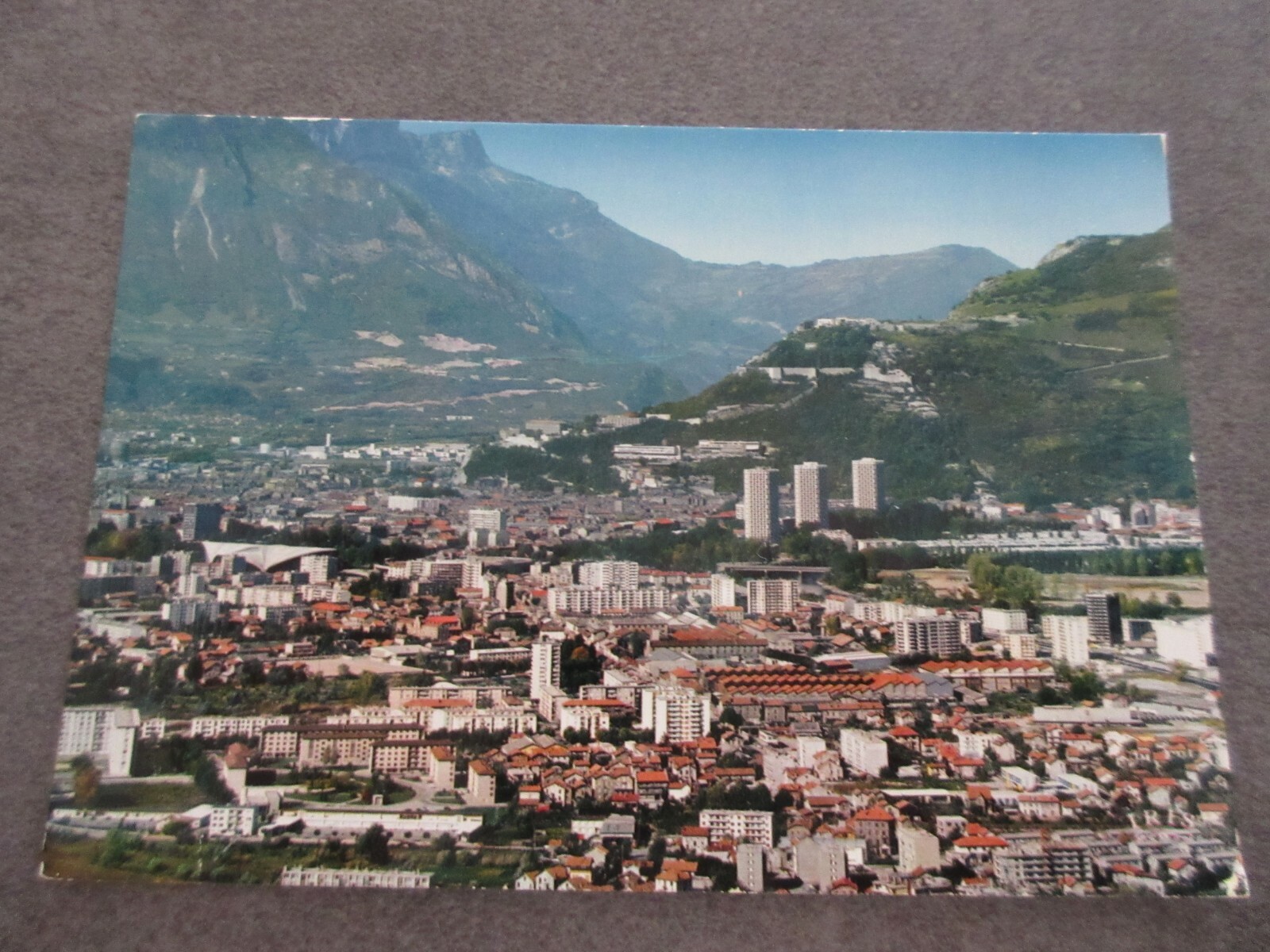
Postcard from Grenoble
The race will begin today with a brief tribute to Thierry Cazeneuve who was the organiser from 1988 to 2009. He died in January earlier this year at the age of 74.
Georges Cazeneuve was one of several ex-resistance founders of the Dauphiné libéré newspaper in 1945. His idea to launch a bike race to boost sales in 1947 was a great idea. His nephew Thierry took over the race in 1988 after joining the newspaper in 1973, and as a boy he’d sold newspapers to the crowds at the race.
Becoming organiser was no gilded inheritance, the newspaper got bought by outsiders in the early 1980s and one of the first thing the new owners and their accountants spotted was the big loss from running a bicycle race. They were going to pull the plug on the race only for the news to leak – from where or who, we can imagine – and letters flooded in from readers asking for the race to be maintained.
Thierry Cazeneuve was the Dauphiné organiser for a week in June and all the meetings and calls that were needed before and after but his main job was a journalist on the sports desk at Le Dauphiné libéré. He covered rugby during the winter and cycling in the summer. He had more the rugby player’s build, bolstered by a passion for cooking at home.
His position as a race organiser made him an insider in the sport but he compartmentalised this and every July became a suiveur of the Tour de France, “a follower who deserves to be followed” quipped Antoine Blondin. The Dauphiné libéré’s own obituary for him says the Michelin Guide sometimes mattered more than the Roadbook when on the Tour, for him it was all about the journey and story-telling. As in sharing, he cautioned several times about inventing myths and urged writers to stick to the facts.
He took over writing the official Tour de France history books from Pierre Chany and also became president of the Ligue nationale de cyclisme, France’s governing body of professional cycling, between 2003 and 2007 too.
He sounds like terrific company for a long lunch today, especially if you let him pick the place. All these hats but he’s best remembered as the race organiser, reviving the event and prolonging it for as long as possible. His death at 74 was too early, he’d have loved to see Paul Seixas in action again but you dread to wonder what he’d have made of the race dropping the Dauphiné label.