A recent news story from Colorado’s Front Range reports that law enforcement is “cracking down” on e-bikes. Well, not e-bikes, actually. The report calls them “modified e-bikes” in some places and “high-powered electric bikes” in others.
And so continues the apparent confusion surrounding the conversation.
To be fair, the article makes a decent attempt at explaining what makes these “motorized bikes” different. However, the confusion over terms and definitions that has hung over the bike industry for the last few years persists.
So, how exactly should we deal with these “e-bikes” causing all this fuss?
Well, a proposed California bill, SB 1167, aims to define what an e-bike is and what it is not. Furthermore, the bill intends to make it illegal for retailers to use the term “e-bike” when what they are selling clearly isn’t.
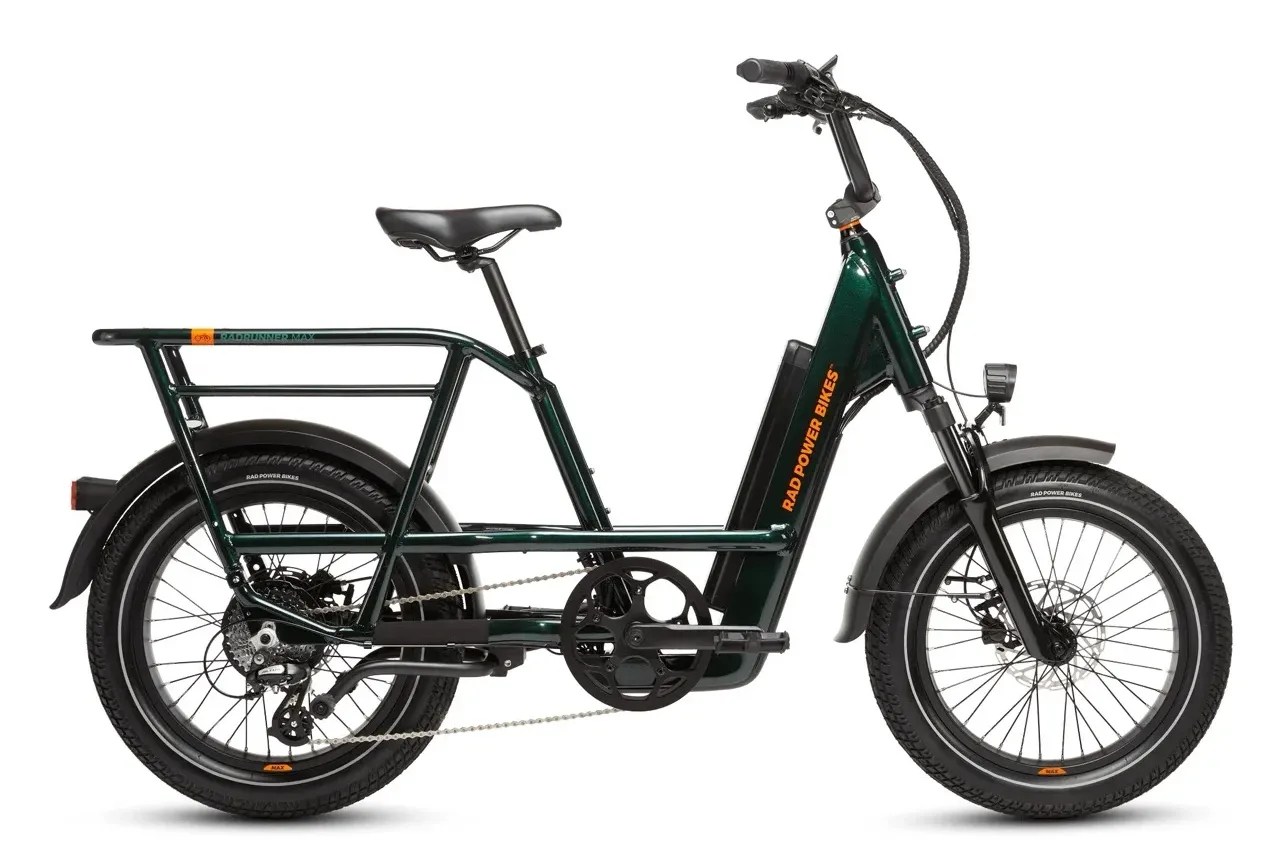
Local Municipalities Addressing the “E-Bike” Issue
News stories like the one linked above are a dime a dozen. In fact, “e-bikes” have been causing problems across the country for quite a while now (I know there will be a lot of you who love that sentence).
And, mainly, it has been local authorities taking local action in response to the issue. Montgomery County, Pennsylvania, tripled fines for “electric bike violations.” Other places, such as Westlake Village in California, banned “e-bikes” from the city’s parks, sidewalks, trails, and fields.
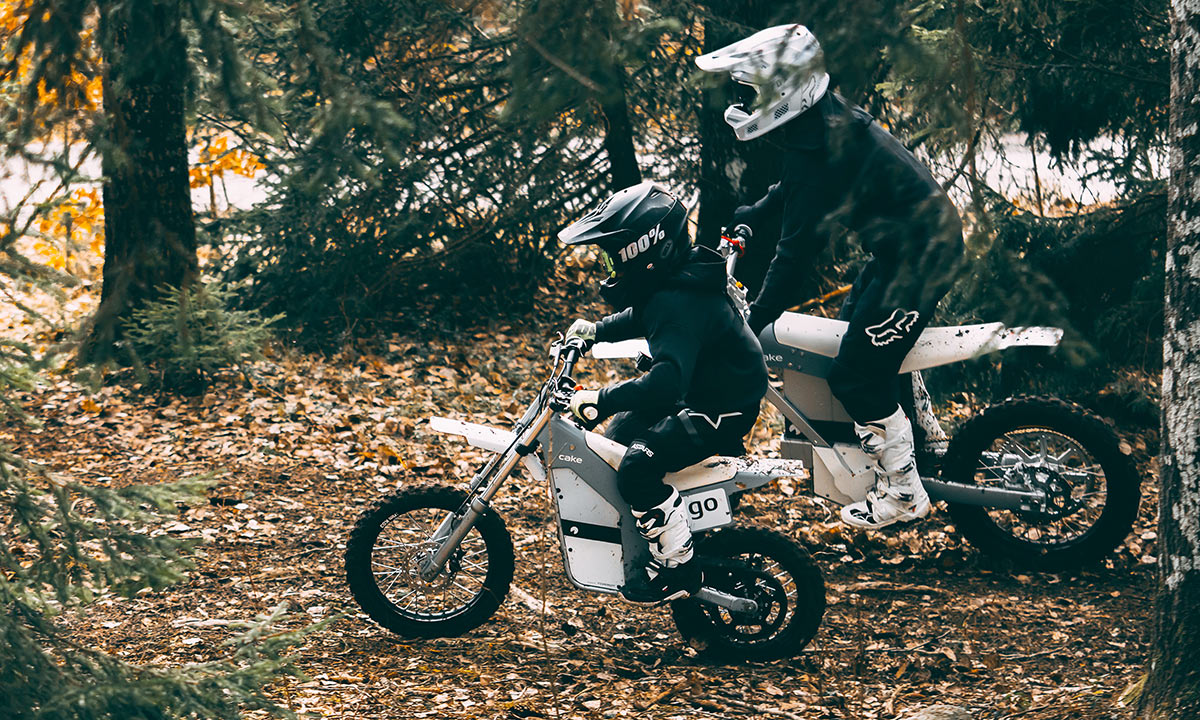
Stories from Nevada, Utah, Oregon, New Jersey, and Florida (I could easily go on and on) populate a search engine when looking into the subject. Across the country, local municipalities are taking action. Why? Well, there is another side to these news stories.
Neurosurgens at Mercy Medical Center in Redding, California, are noticing a spike in head-related injuries connected to “e-bikes.” And, of course, there are the deaths. Tragically, a teen was recently killed riding an “electric bike” in San Jose, CA. The problem stretches beyond the states, with the tragic deaths of two teens in Australia just a few weeks ago.
Again, sadly, I could go on and on with news stories of teens dying due to a crash on their “e-bike.”
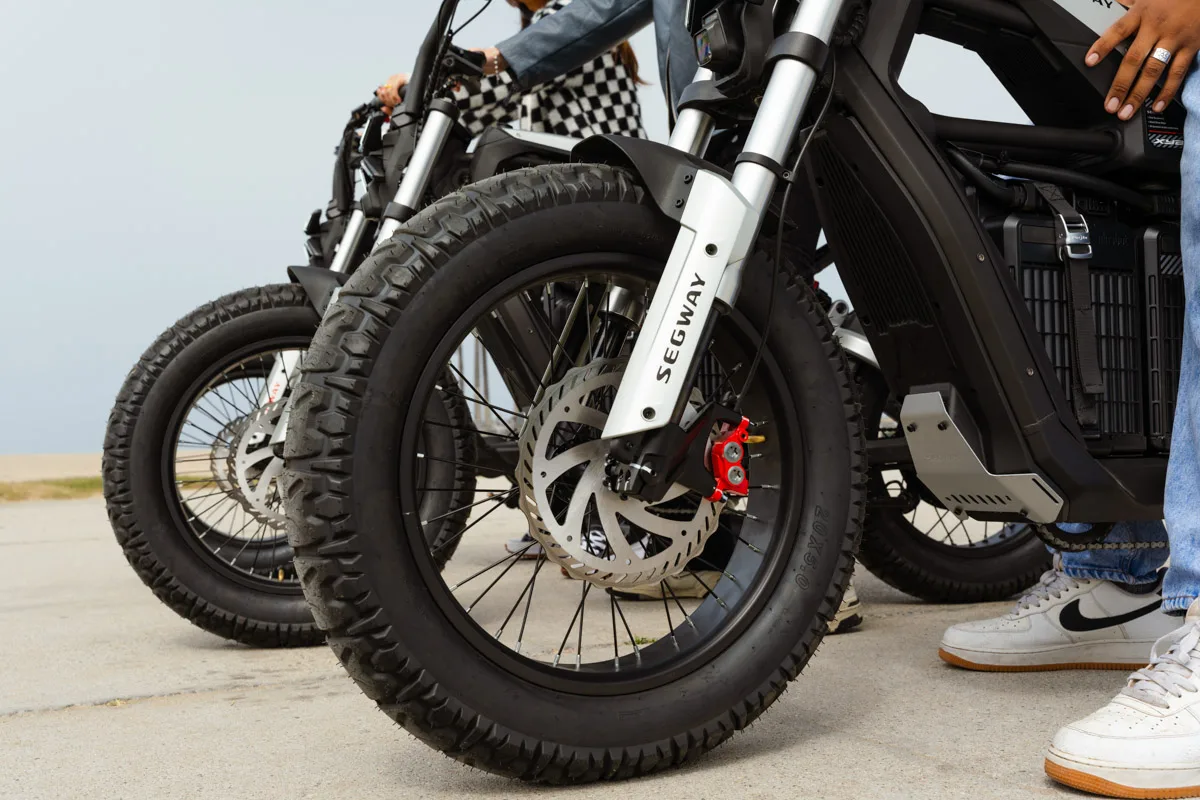
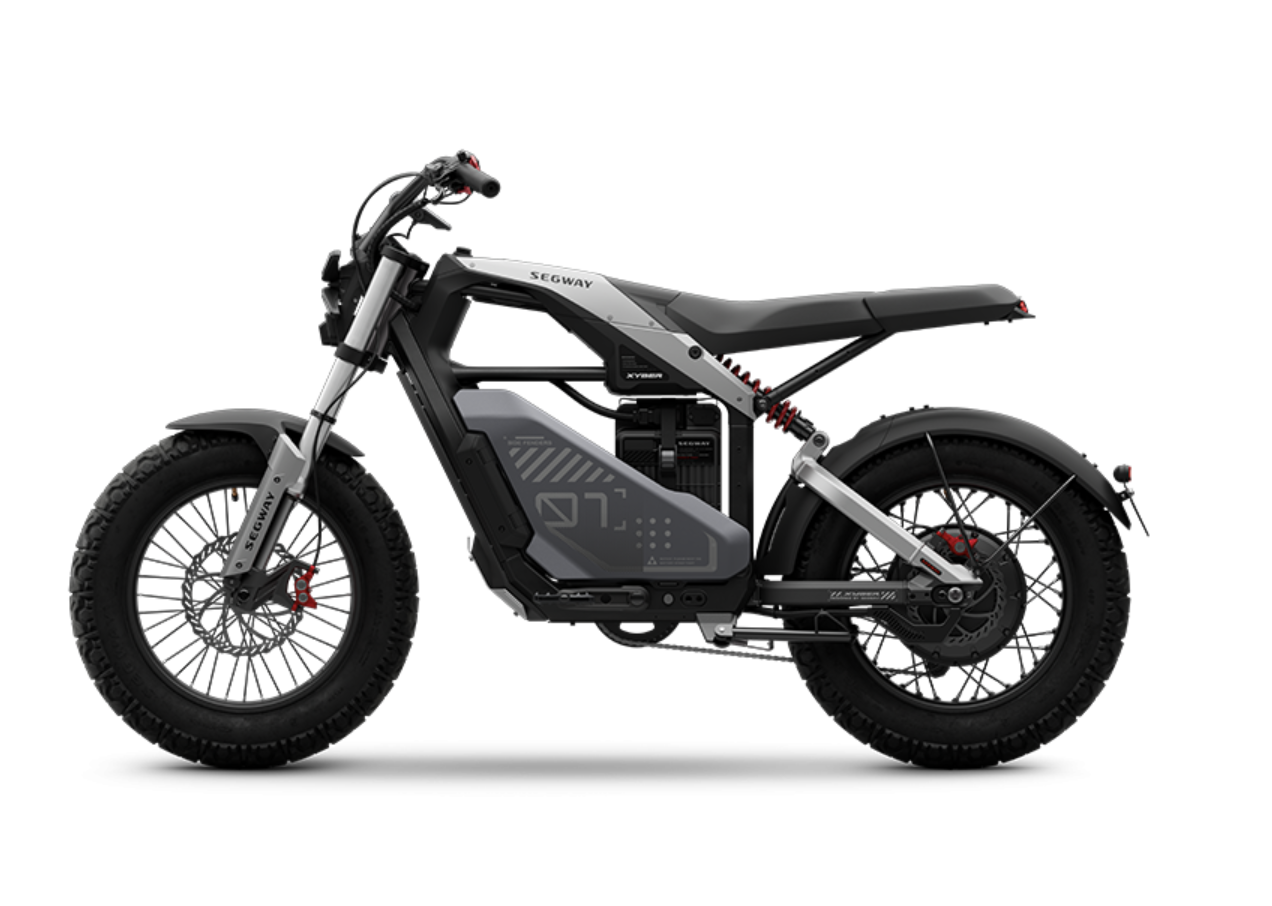
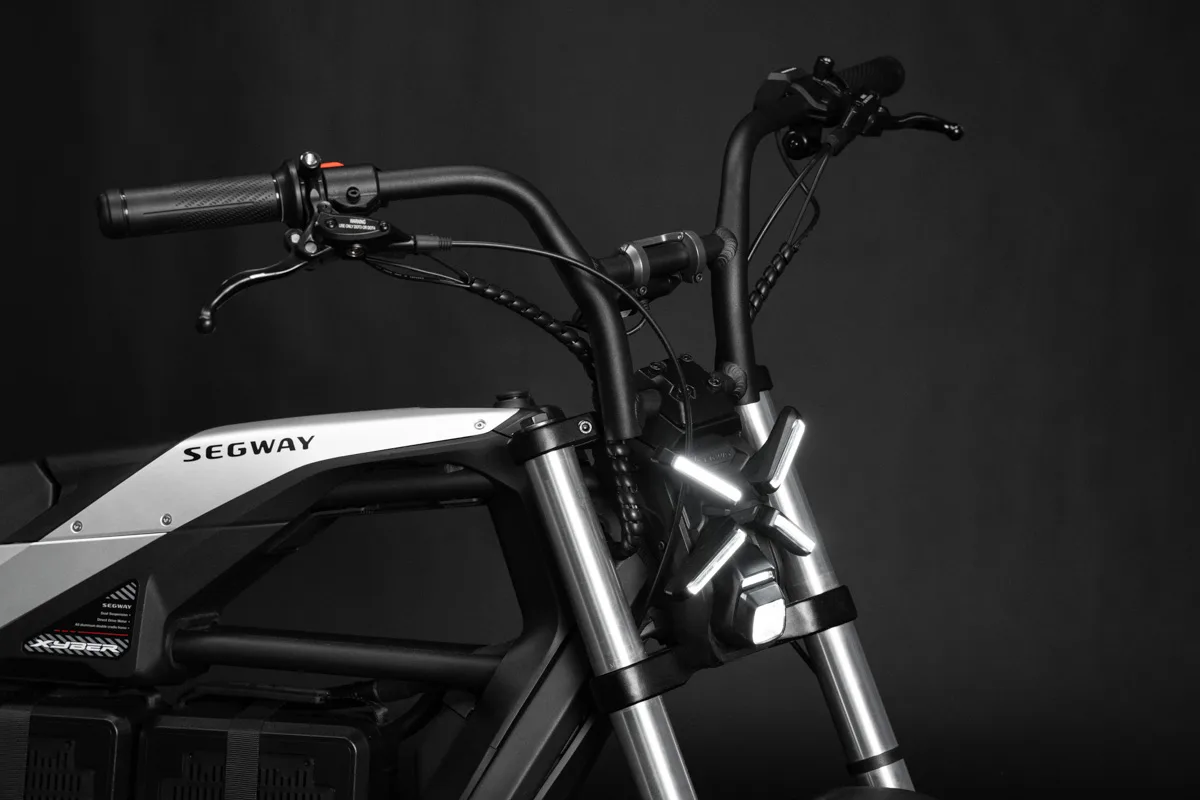
But if we look at each of these stories and the many others available, we begin to see a theme. Often, the “e-bikes” involved in these tragic accidents likely are not the e-bikes we are concerned about showing up at our local trailhead.
In fact, they aren’t really e-bikes at all. At least not how we define them. No, these machines fall outside the three-class system we’ve adopted for e-bikes. According to California, they are mopeds and e-motos.
What is the Issue?
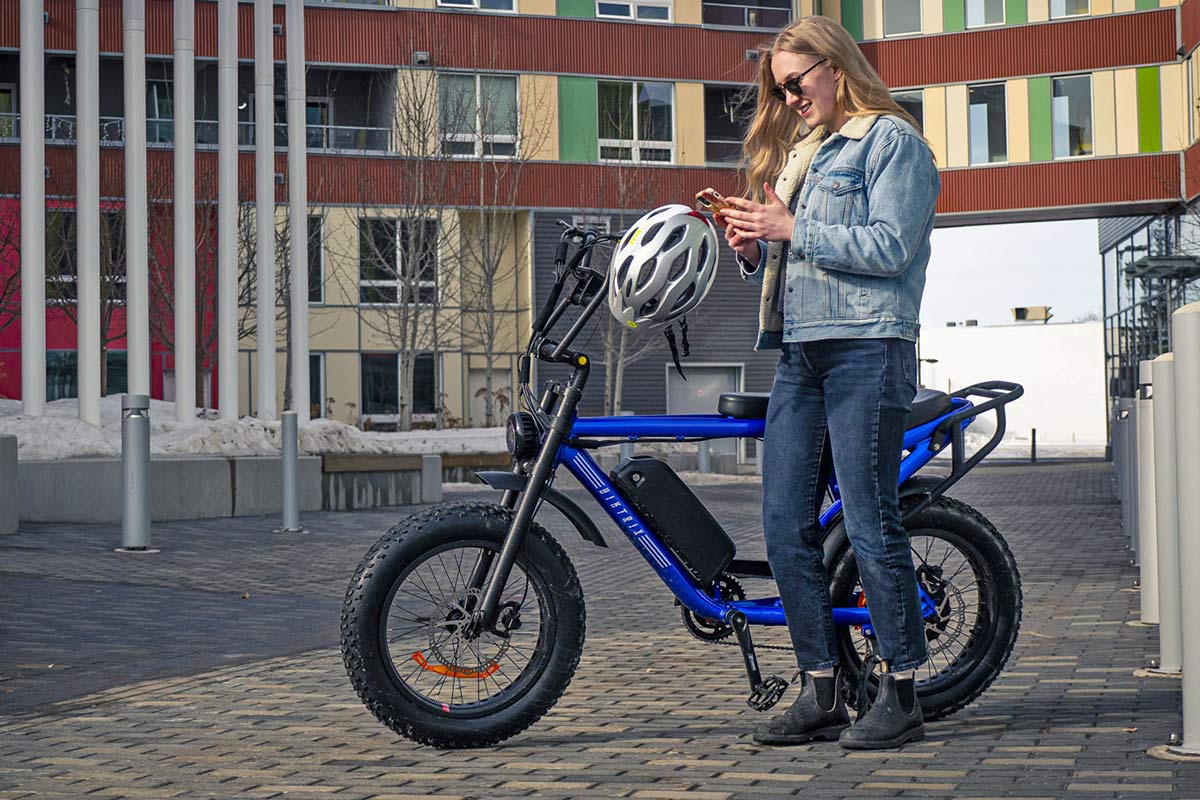
The conversation surrounding this issue typically includes “confusion” around the e-bike classification system.
- Class 1: pedal assist only up to 20MPH
- Class 2: pedal assist and throttle up to 20MPH
- Class 3: pedal assist only up to 28MPH
But it seems that a lot of the confusion stems from an important piece of information that is often left out: power output. Often, the conversation focuses on the potential MPH and whether or not the bike has a throttle.
Regardless of whether an e-bike falls under Class 1, Class 2, or Class 3, there is a specific maximum power output it cannot exceed. That number is 750 watts.
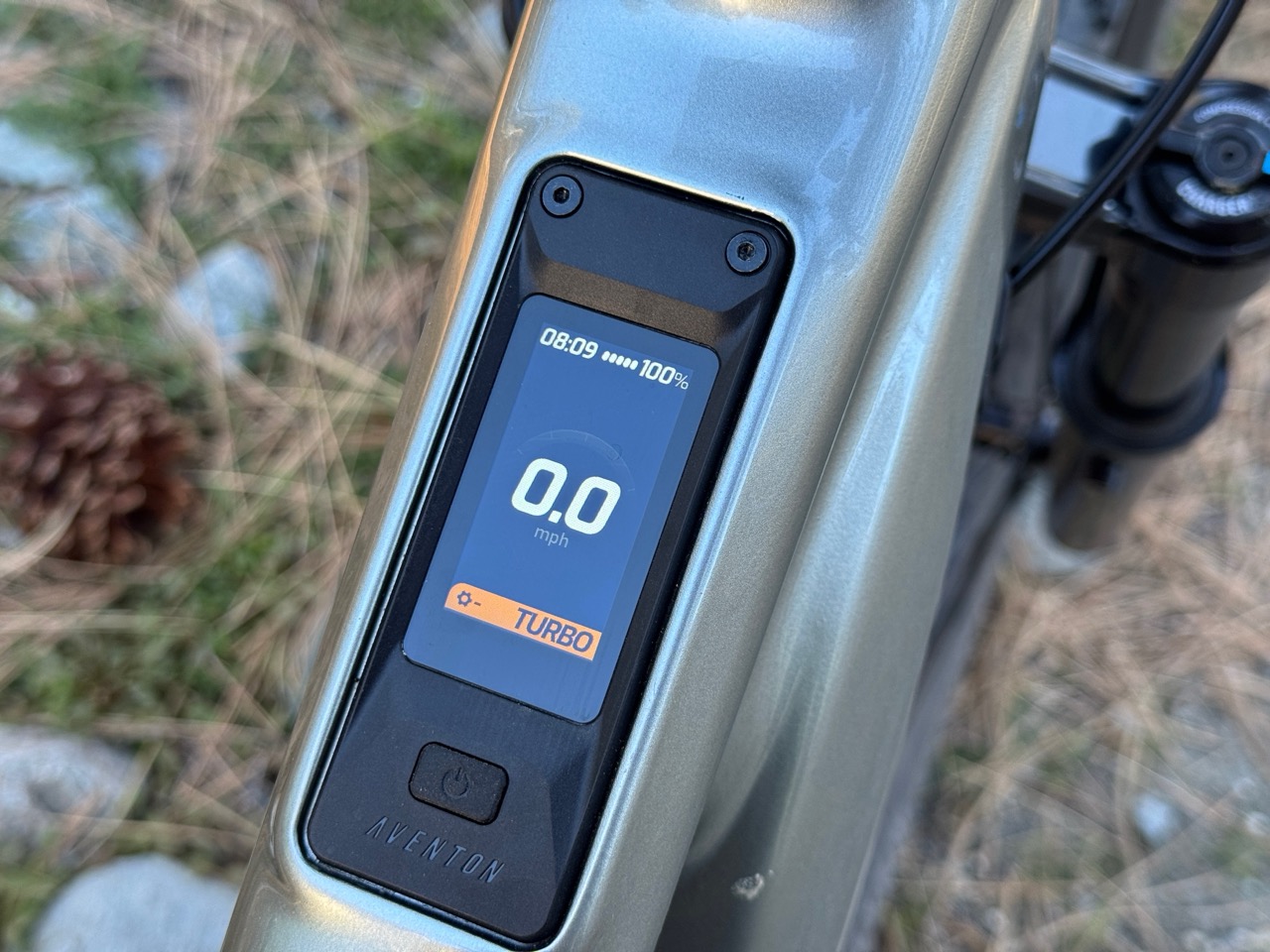
In nearly all of these cases, the individuals (often teens) are on something with a power output well above 750W. Platforms like Amazon sell these “e-bikes,” where a quick search provides results of machines boasting 1,500W and 2,500W — in some cases up to 6,500W — of power.
The major rub is that despite the excessive power of these bikes, the term “e-bike” is often still used to describe them. Many, including the state of California, argue that this is intentional. As you look at the news stories, another common thread pops up: teens. It is more commonly teenagers involved in these accidents, sustaining injuries (in some cases dying), or getting issued tickets.
And it is very often parents who are buying the “e-bikes” for their teenagers. If these parents knew when they clicked “order” that they were buying something closer to an electric motorcycle, sales would likely go down. If they knew that what they were buying required a license, registration, and insurance, they’d likely look for something else.
Parents are more likely to buy an “e-bike” for their 14-year-old than an “e-dirt bike.” So, “e-bike” it remained.
Taking Action at the State Level
Earlier this year, we began to see states take action. One of the first was New Jersey, which passed a bill to institute significant changes regarding the e-bike conversation.
In January, former New Jersey Governor Phil Murphy signed a bill requiring e-bike riders to have a license. The bill also requires registration and insurance for the e-bike.
But New Jersey’s new law doesn’t distinguish between power output and classification. Rather, due to the apparent confusion around what an e-bike is, the law applies to all e-bikes in the state. Now it is still unclear whether the law applies to something like the Lauf eElja that someone might ride off-road at a local trailhead. However, it certainly applies to something like the Ridley E-Kanzo on a morning commute to work.
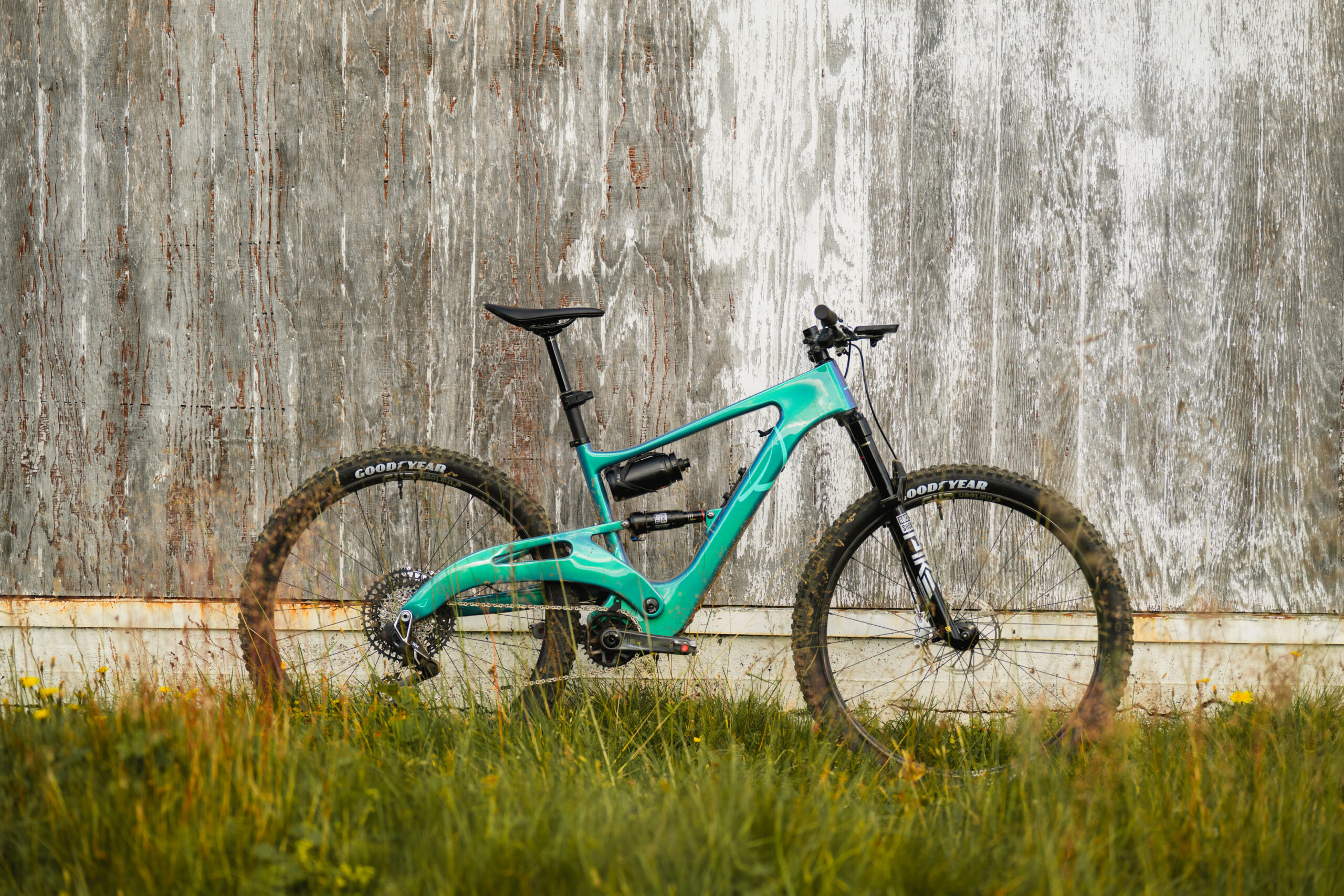

Both the Lauf and Ridley are Class 1 e-bikes with top pedal-assisted speeds of 20 mph and no throttle.
Many consider New Jersey’s law overreaching. Regardless, new regulations like this pose a significant threat to the bike industry during the current e-bike boom. And, the mainstream bike industry’s current power race isn’t helping with drive units that clearly exceed the 750W limit.
California is another state looking to do something. But, rather than take action against everything dubbed “e-bike,” they’ve decided to go after those who may really be causing the problem.
California is going after retailers selling e-motos as e-bikes.
California SB 1167
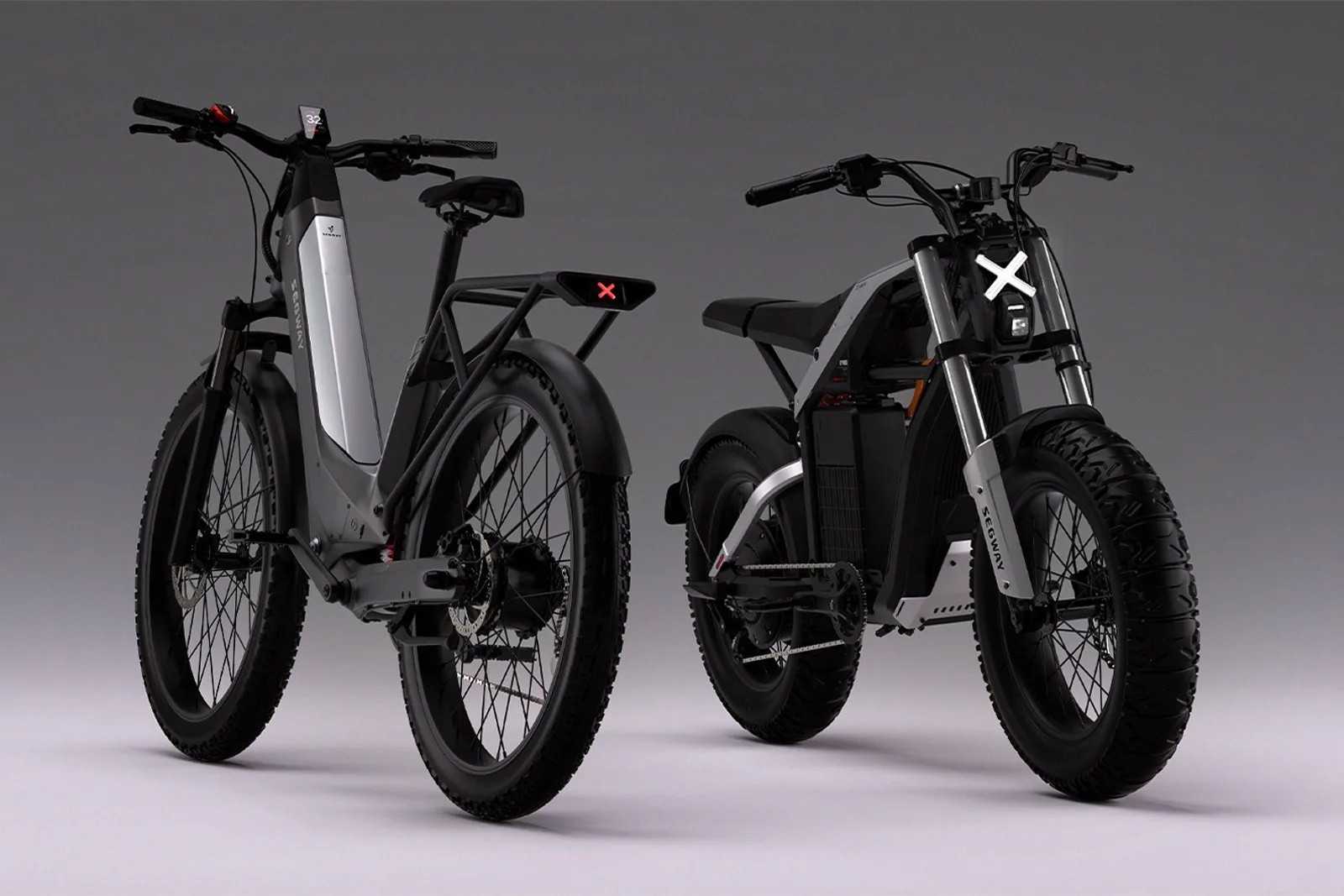
The e-bike classification system isn’t too complicated for California Senator Catherine Blakespear. Rather than lumping everything with an electric motor into one category, Sen. Blakespear and her office clearly recognize the difference between 750W and 6,500W.
The proposed bill targets those advertising and selling “e-bikes” that clearly fall outside the defined e-bike classification system.
“Faster and more powerful electric motorcycles are being marketed as e-bikes, which is dangerous to children and adults,” Sen. Blakespear said in a press release for the bill. “SB 1167 makes clear to consumers whether they are buying an e-bike, which has defined limits for power and speed, or something else.”
The proposed bill, California SB 1167, expressly states that misrepresentations of these electric vehicles that exceed the designated 750W are illegal. The law draws a clear line regarding the current classification system, requiring sellers of more powerful “vehicles” to inform consumers that the product doesn’t meet the definition of an “e-bike.”

“With the explosion of the e-bike market and more people riding these types of vehicles, there have been growing concerns about rider and traffic safety and what consumers need to know,” Andrew LaMar, Communications Director of Sen. Blakespear’s office, told us.
Among other things, SB 1167 makes two significant changes to the current system. First, retailers won’t be allowed to advertise something as an “e-bike” that exceeds 750W. Secondly, the bill requires retailers to inform potential buyers that operating these types of vehicles requires a license, insurance, and registration.
So, can a parent be held liable for purchasing an e-moto for their kid (hopefully they don’t) who rips around town and causes an accident? Well, no; concerning legal action, SB 1167 applies only to sellers (online and brick-and-mortar) and manufacturers of e-bikes, and can only be enforced in California.
“Any vendor selling into the California market would have to abide by California laws,” LaMar said. “[Failure to do so] would be a violation of the Business and Professions code and the vehicle code. That could result in fines.”
This means that bikes like the Burchda RX80 (I haven’t heard of this one), an “Off Road Fat Tire Ebike” with a choice of 1,500W or 3,000W, will no longer be able to use the term “e-bike” in California.
SB 1167 Affects More than Amazon E-bikes
Who cares about something like a Burchda RX80 or any other brand on platforms like Amazon? Forcing them to use correct terminology and make sure buyers understand what they are purchasing is ultimately a good move.
It certainly seems more focused and more likely to address the e-moto problem compared to New Jersey’s blanket e-bike law.
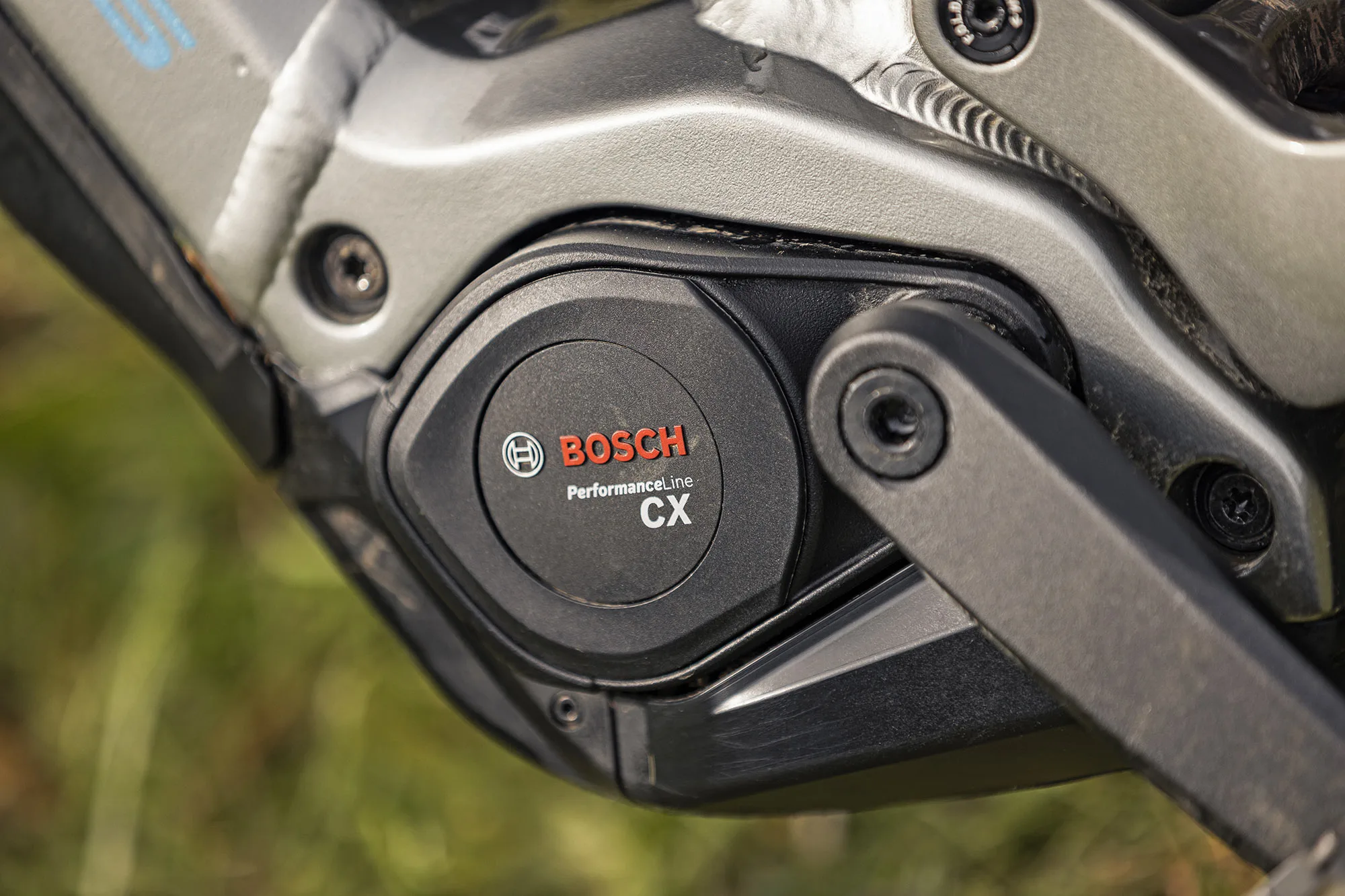
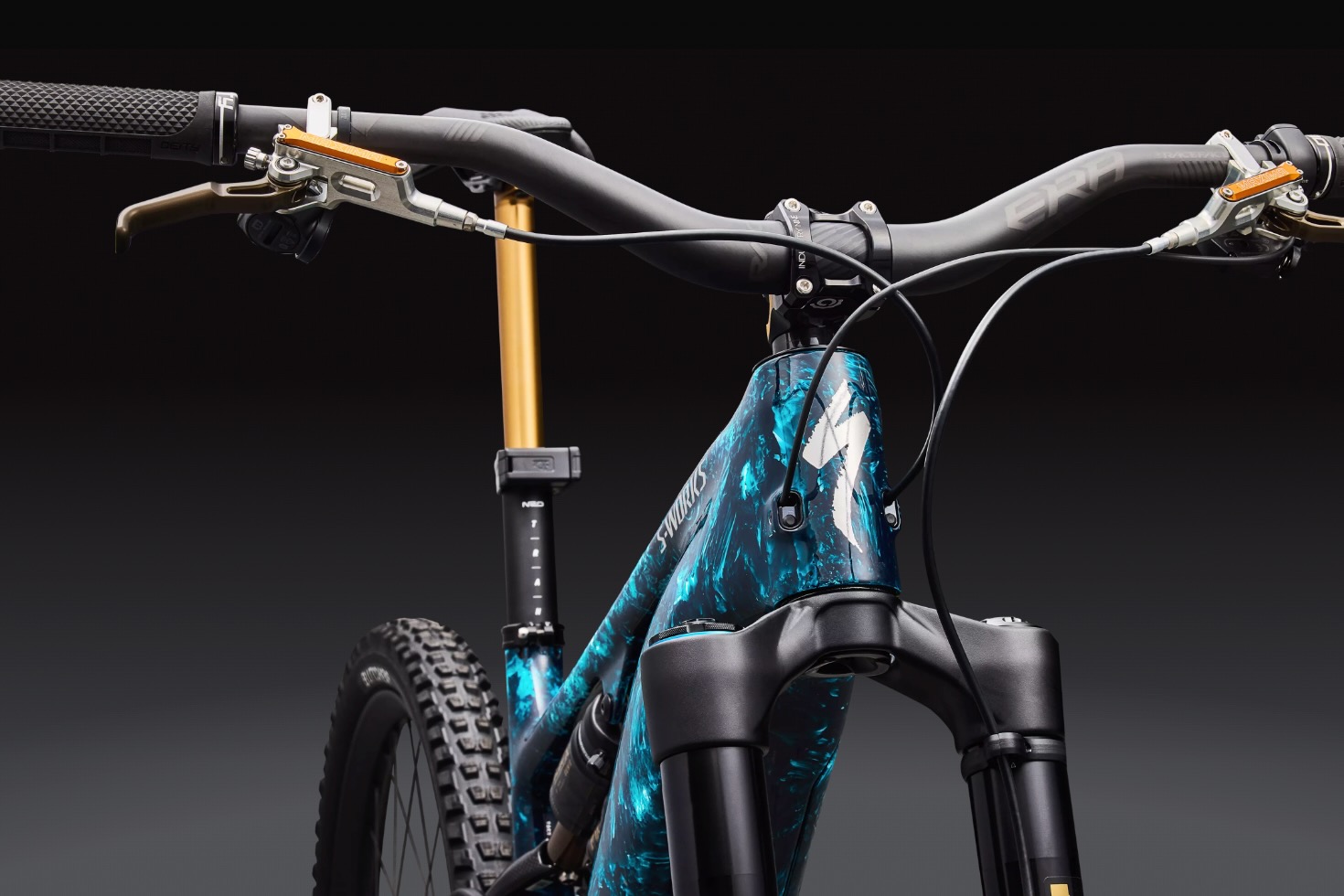
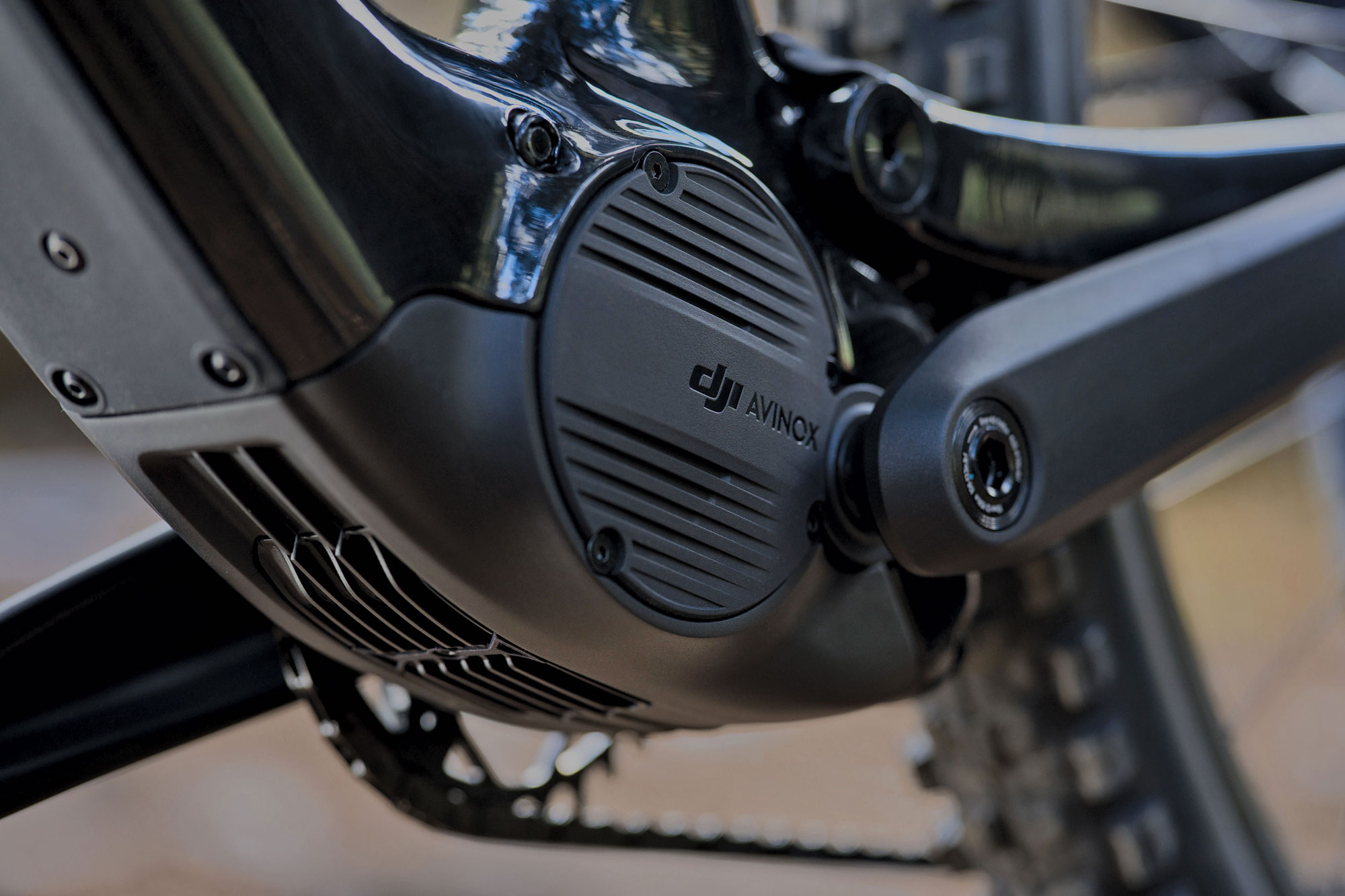
However, major industry brands may also find their California markets disrupted. Thanks to a recent power update, Specialized Turbo Levo 4 owners now have access to 810W of power, or up to 850W for S-Works owners. Avinox, which already exceeded 750W, recently released its M2S motor, pushing the limits up to 150Nm and 1,500W of peak power.
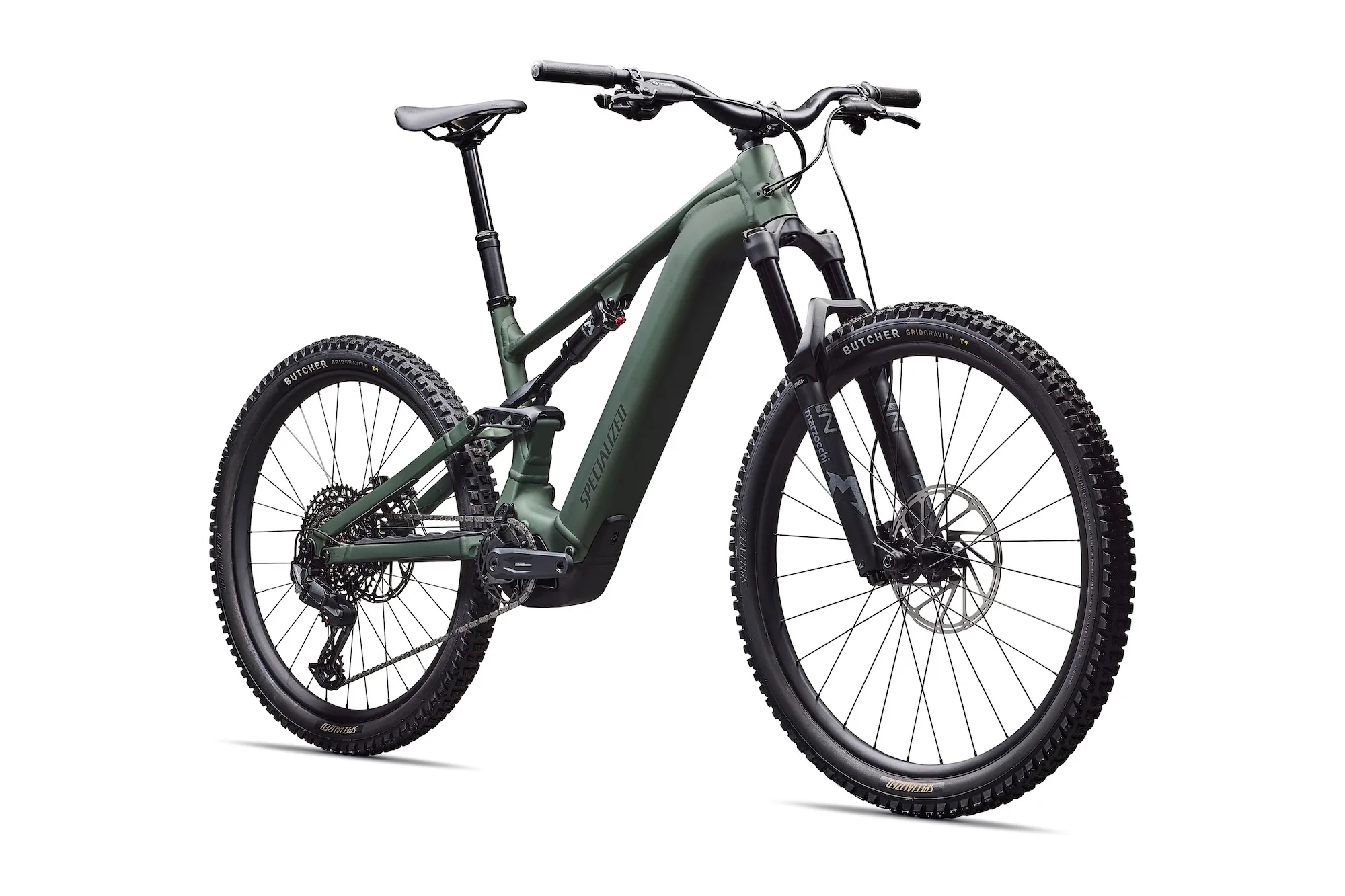

Even Aventon’s Ultro X technically has too much power. However, they claim 750W of power output, with a “Boost” option that reaches 850W.
“These vehicles you referenced, if they have more than 750W of power, do not meet the current legal definition of an e-bike in California and so could not be sold or marketed as e-bikes,” LaMar clarified.
So, perhaps a category change for some brands is in order? Or maybe they’ll realize 750W is plenty of power?
Sen. Blakespear’s office confirmed some dates with us. On April 7, the Senate Transportation Committee heard and passed SB 1167. Just a few days ago, on May 14th, the bill passed its second reading with amendments and was referred to the Senate Appropriations Committee, where it is currently pending. SB 1167 has until August 31 to pass with the Governor’s signature.
Without any significant setbacks, SB 1167 will be California law by January 1, 2027.
The post A Proposed California Law Wants to Crack Down on Electric Motos Sold as “E-Bikes” appeared first on Bikerumor.