Shortly after the launch, I penned a quick review of the Fox 34 SL. It was based on enough rides to form a solid opinion, but by no means had I maxed out my knowledge of it nor put it through the type of long-term riding we all subject our forks to in the real world.
So, I wanted to revisit this fork because it has, and continues to, live up to the hype. There’s a reason why it’s on so many World Cup racer’s XC bikes. It’s extremely light, stiff enough for aggressive riders, and buttery smooth. The combination of new damper and design technologies Fox touted in Prescott deliver, day after day and, now, month after month after month, in all manner of conditions.
I’ll even argue that the base
The Details, Quickly
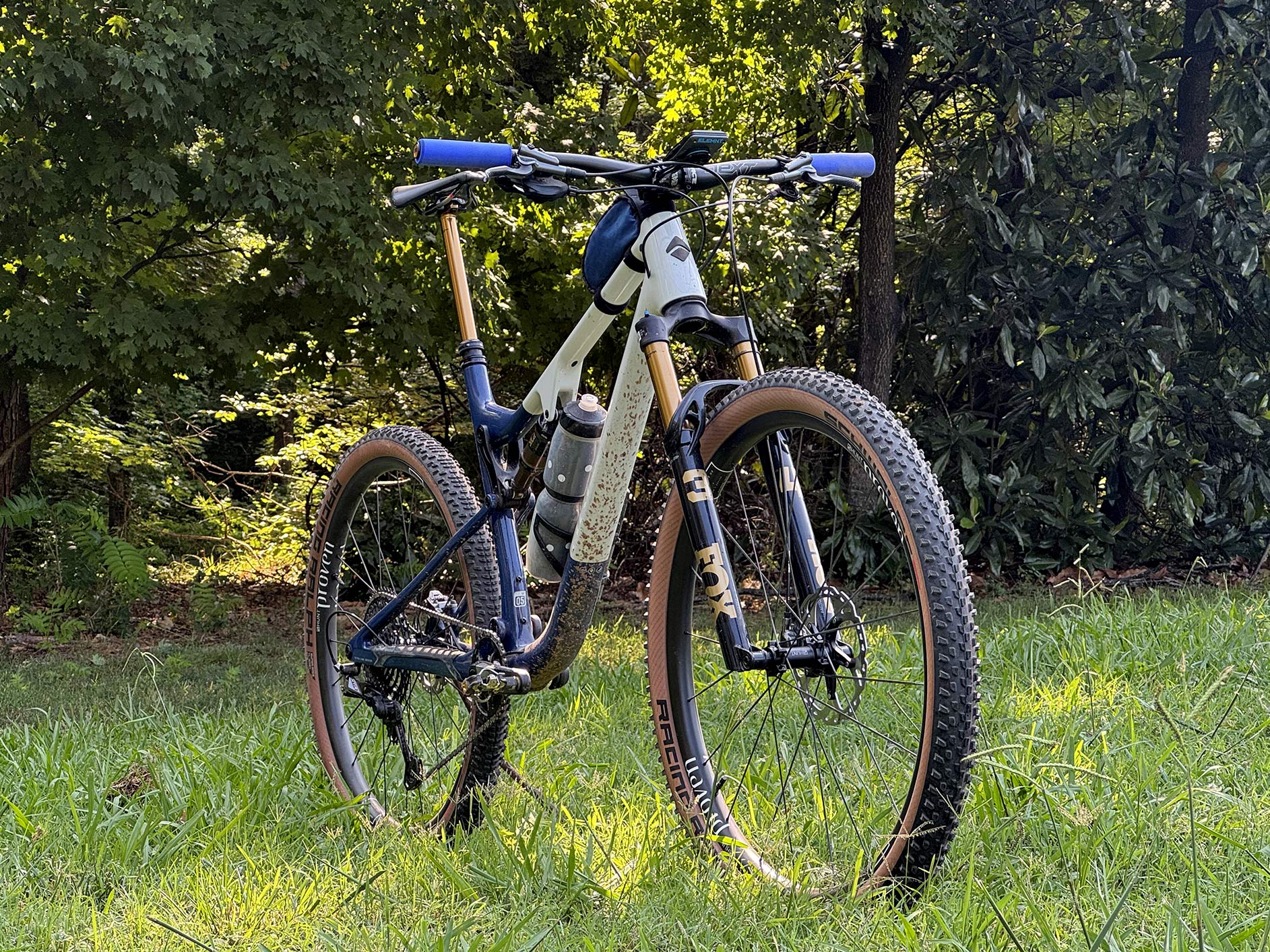
Read my full launch story for all of the tech inside this fork. The short of it is this: They completely redesigned the crown, stanchions, and lowers to cut weight while increasing stiffness.

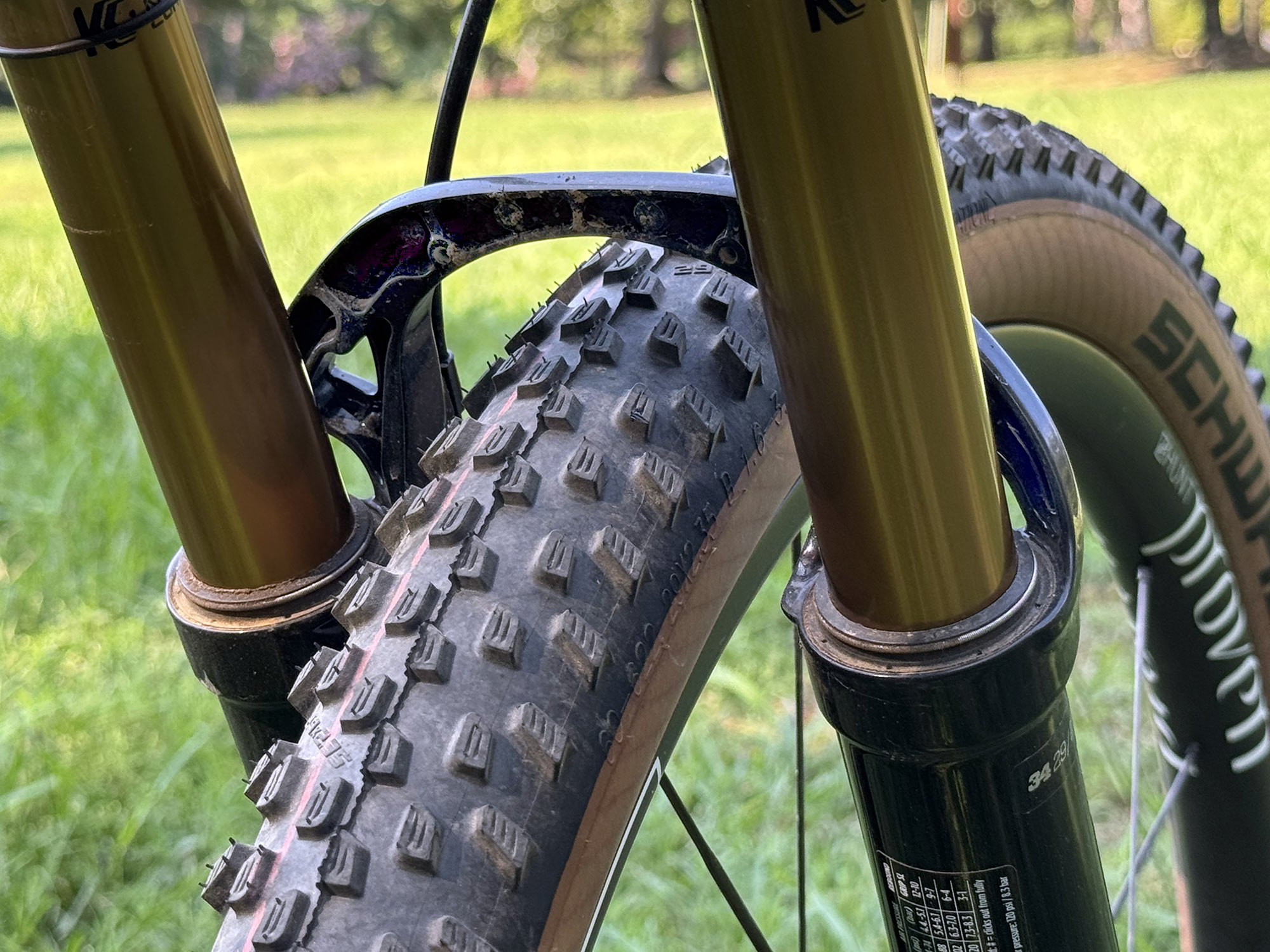
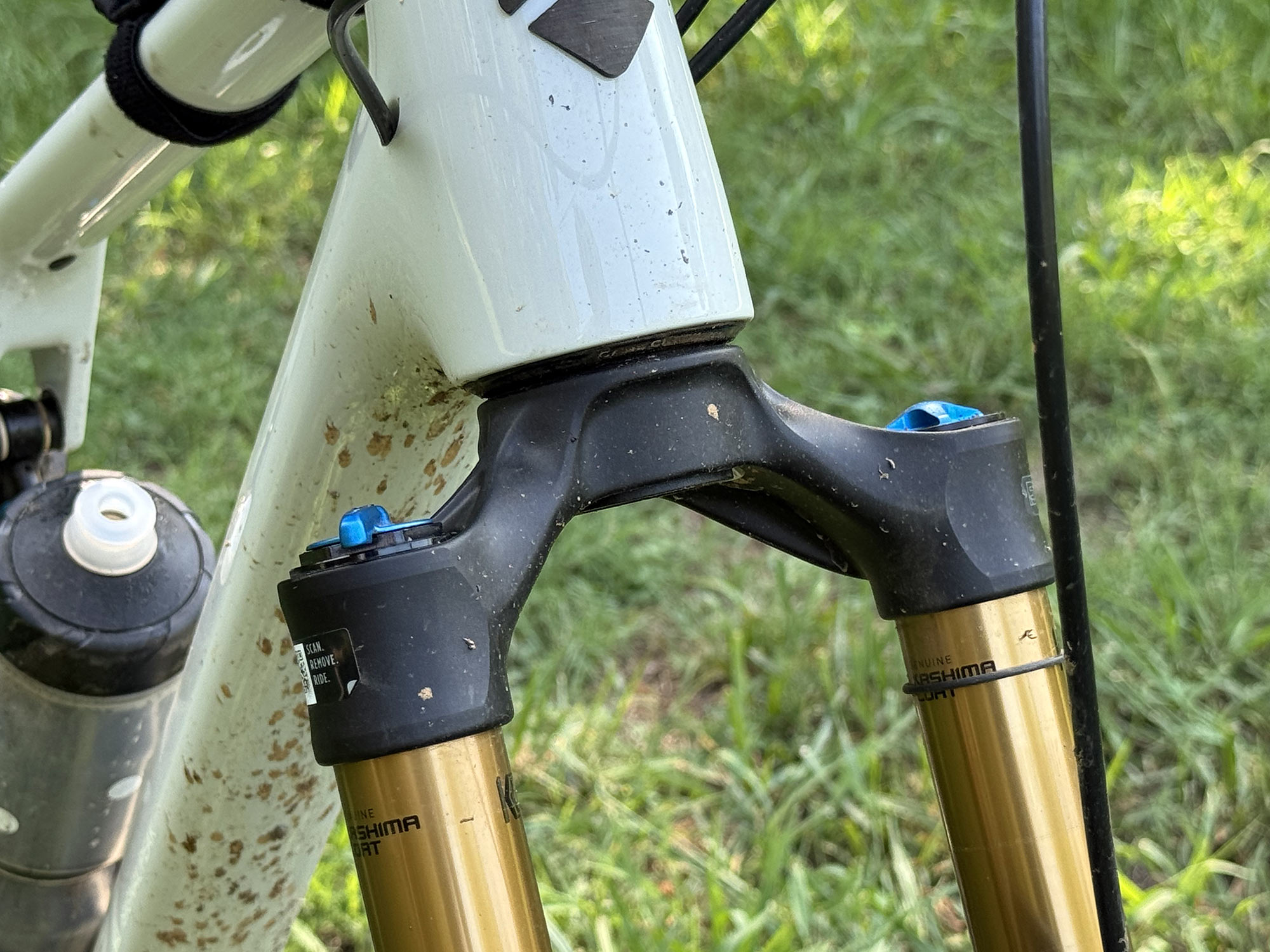
There are recesses and cutouts throughout the arch to save weight. Fortunately they don’t collect nearly as much mud as I thought they might, and that’s not for lack of exposure to it. The crown is similarly shapely and hollow. Combined, the two new shapes resist torsional flex and lateral flex. Even gravity has a hard time flexin’ on ya with this.

Trimmed dropouts and angled bottoms shave a few more grams.
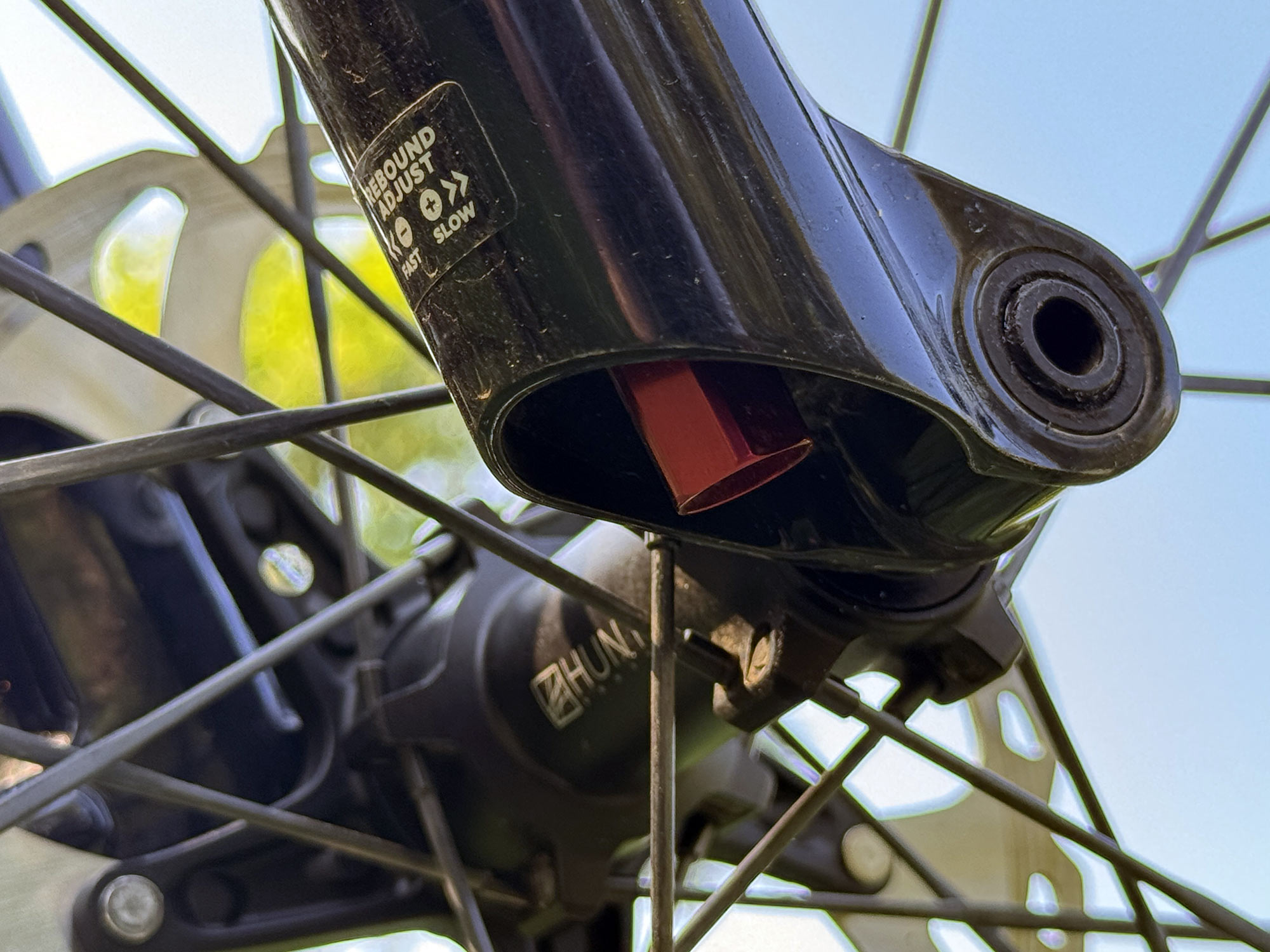
Knobs are in the same places, with an easy to access and turn (even with full-finger gloves) rebound knob on the bottom. I’ll get to the compression knobs below…
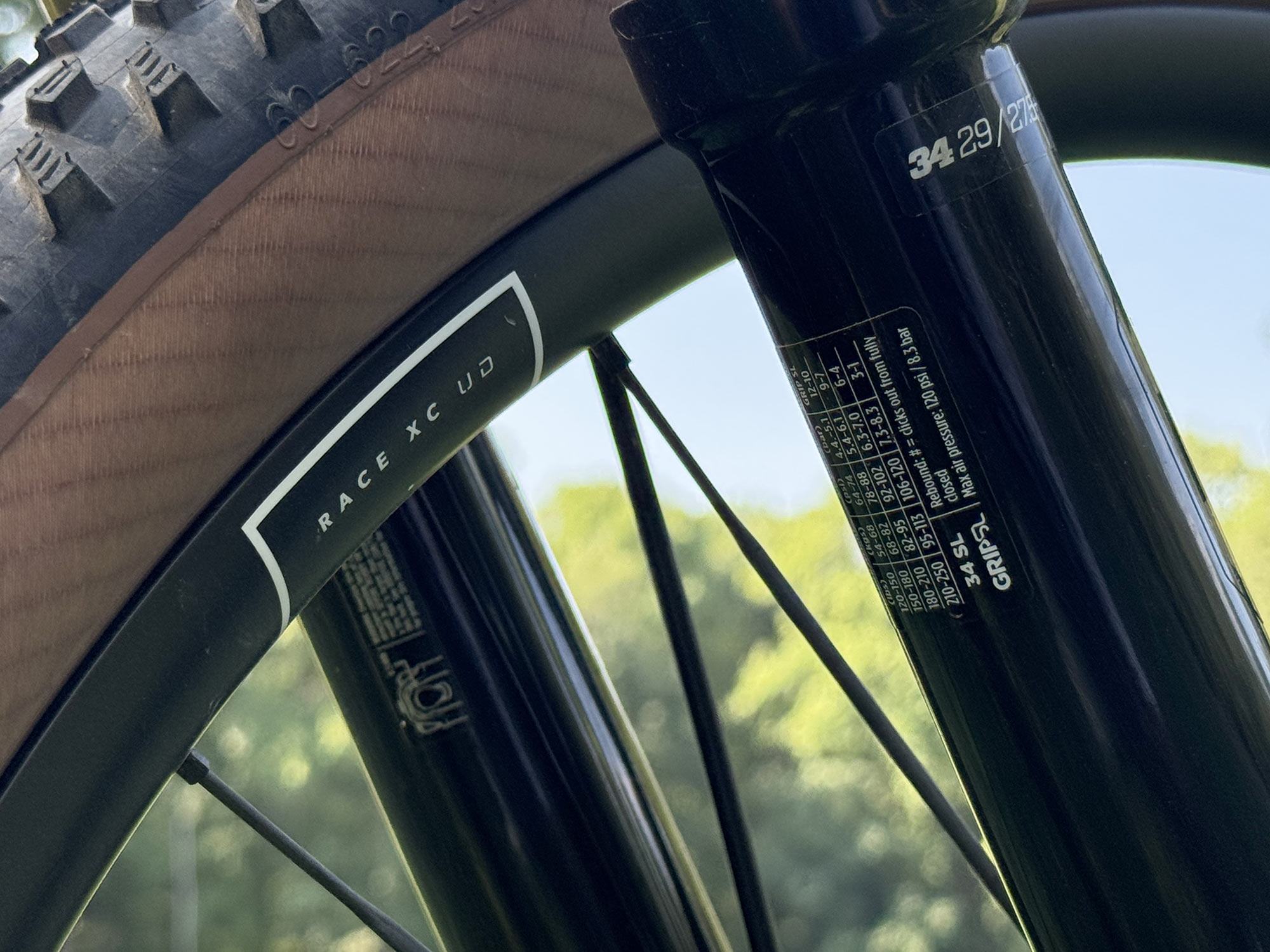
It keeps the recommended air pressure setting chart, a nice feature even for seasoned riders. If nothing else, it’s a good starting point, but I recommend getting a silver sharpie and marking your preference on it once you’ve figured it out. Or using the Notes app on your smart phone.
It’s Really Light…and Wide.
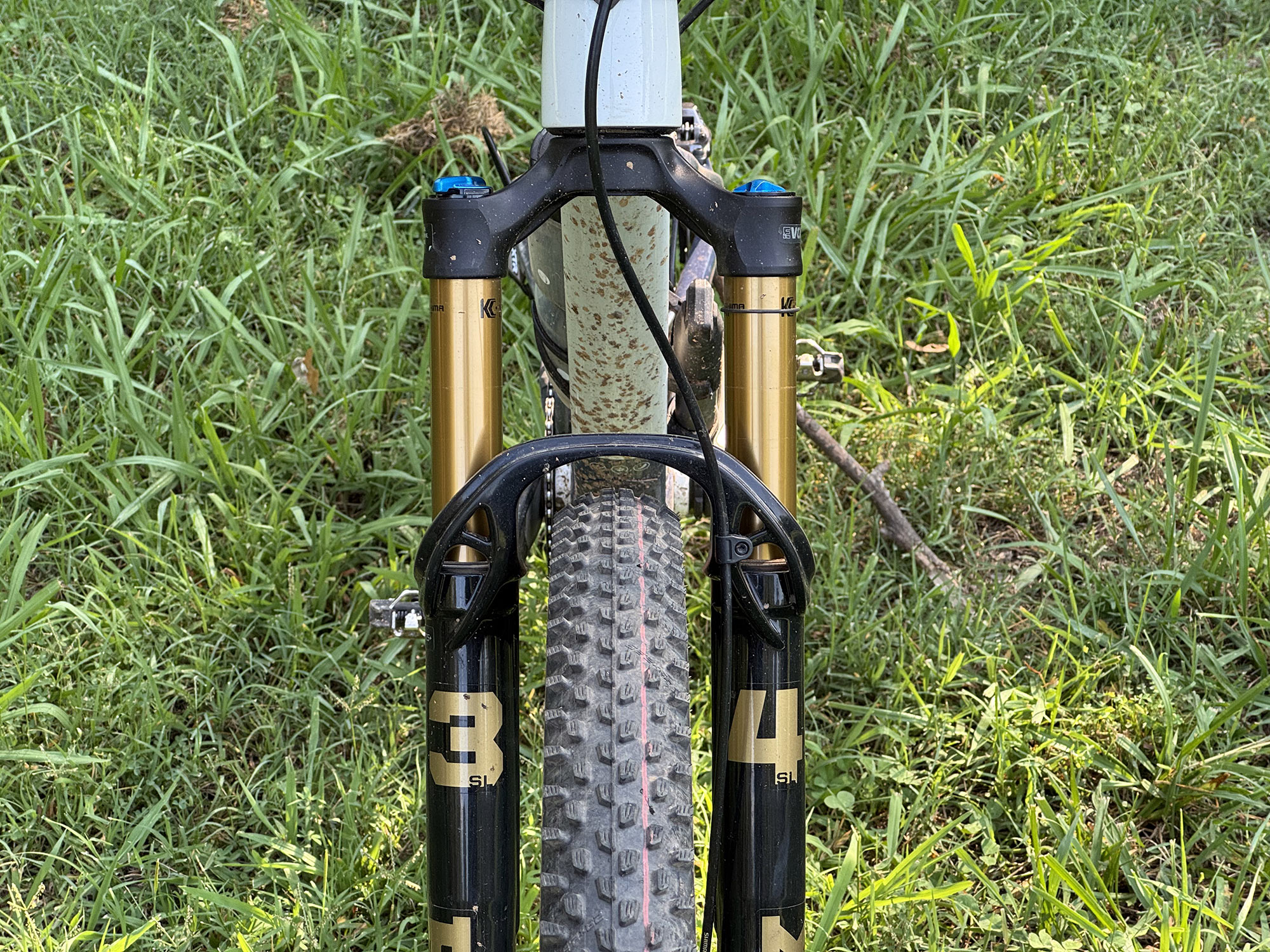
Actual weight is 1510g (steerer cut for my bike, w/ star nut & axle – see it on the scale in this Reel). That’s an impressive 420g (0.925lbs) lighter than a 130mm-travel Pike Ultimate. Yes, the Pike has slightly larger 35mm stanchions and is more “trail” oriented, but this illustrates just how light the 34SL is for the category.
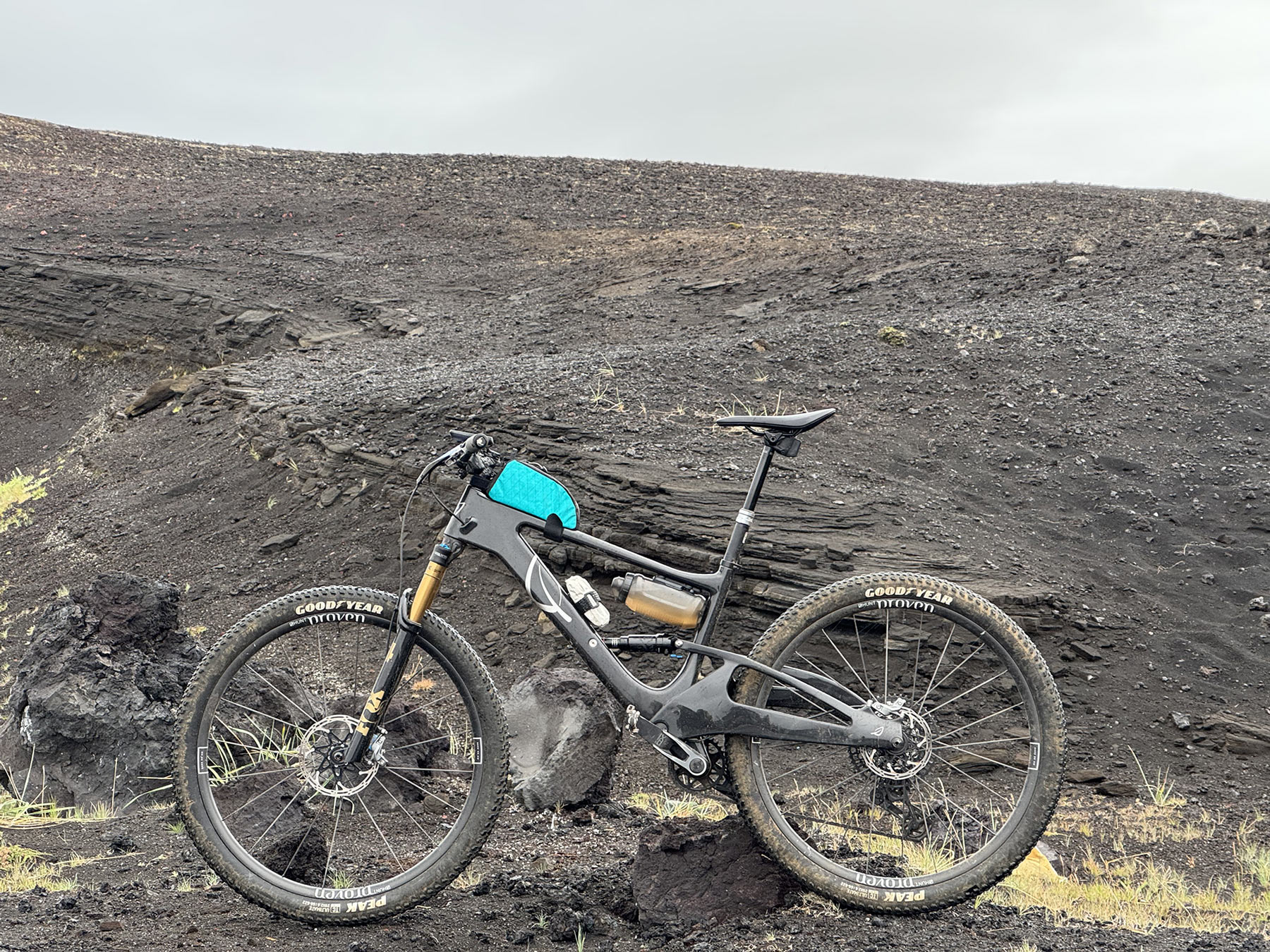
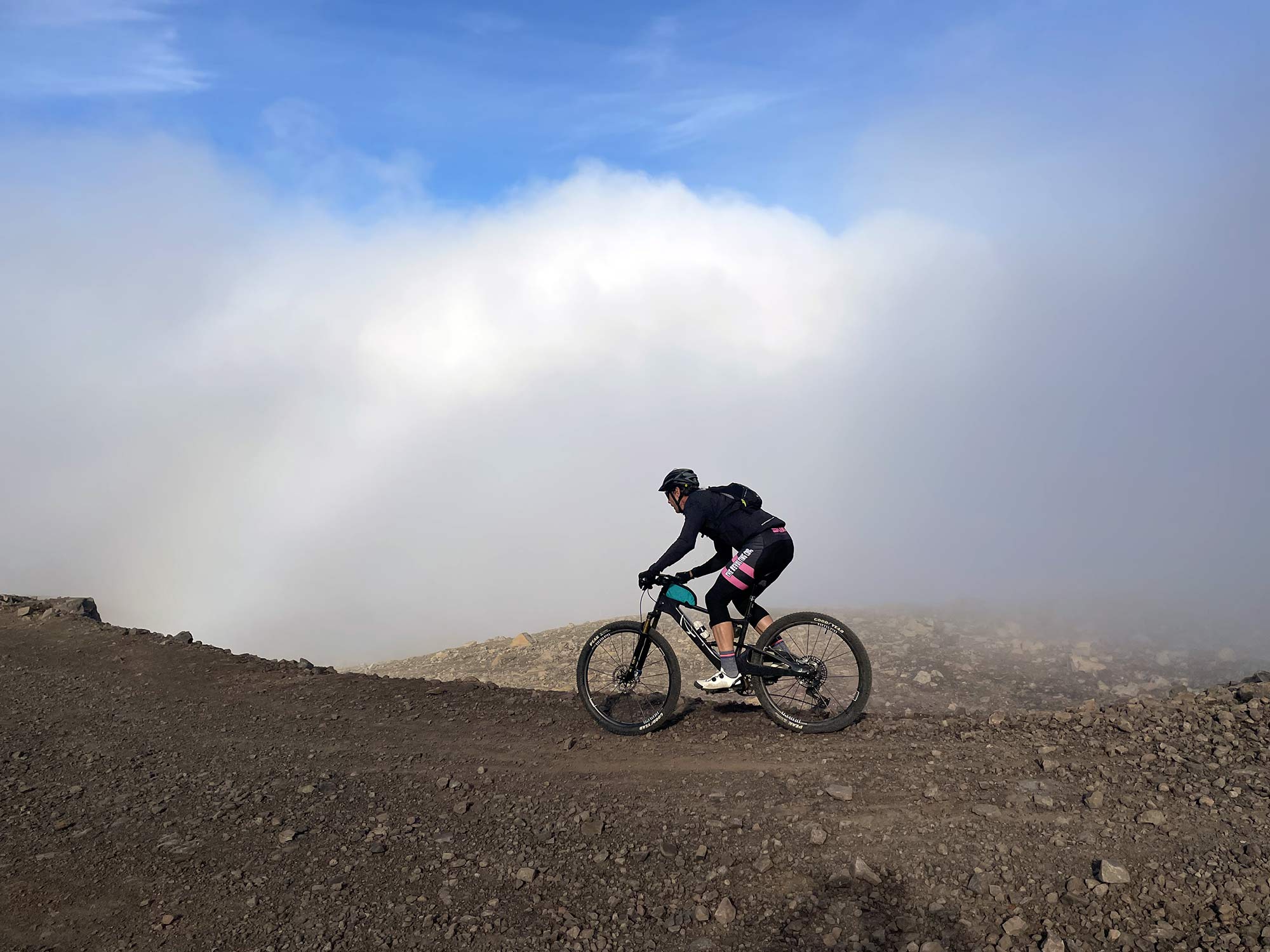
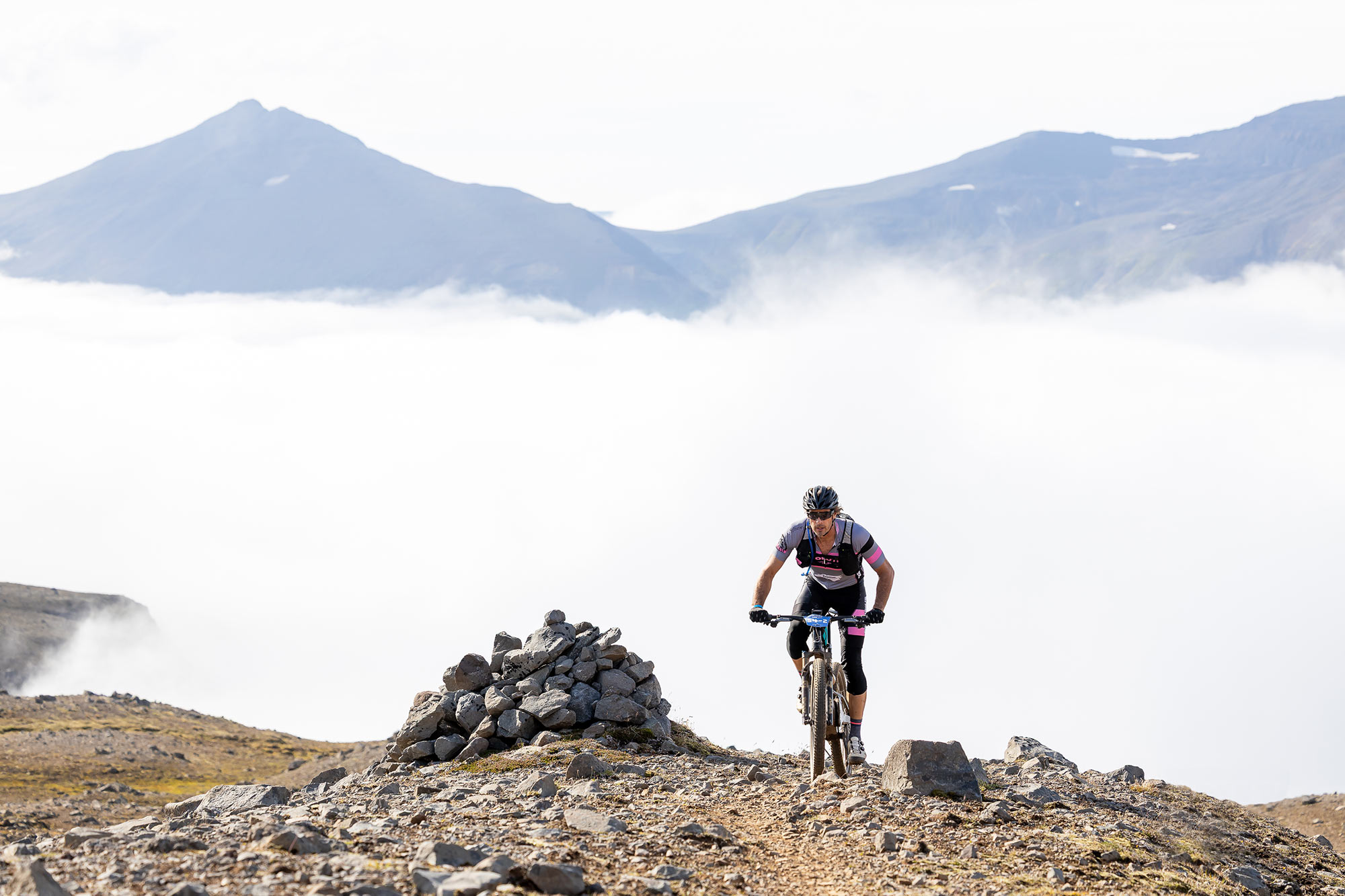
I took advantage of this when racing The Rift MTB in 2025, swapping forks and wheels to save two pounds off my Lauf Elja. For a multi-day race with tons of climbing, that’s a big advantage. And considering the fork, no downside, despite the unpredictable nature of Iceland’s volcanic terrain.
And, it clears the 29×2.6″ Goodyear Peak tires that come on the Lauf, thanks to the new design that’s wider and stiffer than the 34 SC (Step Cast) it replaces, at about the same weight.
Appreciate the Simple Things
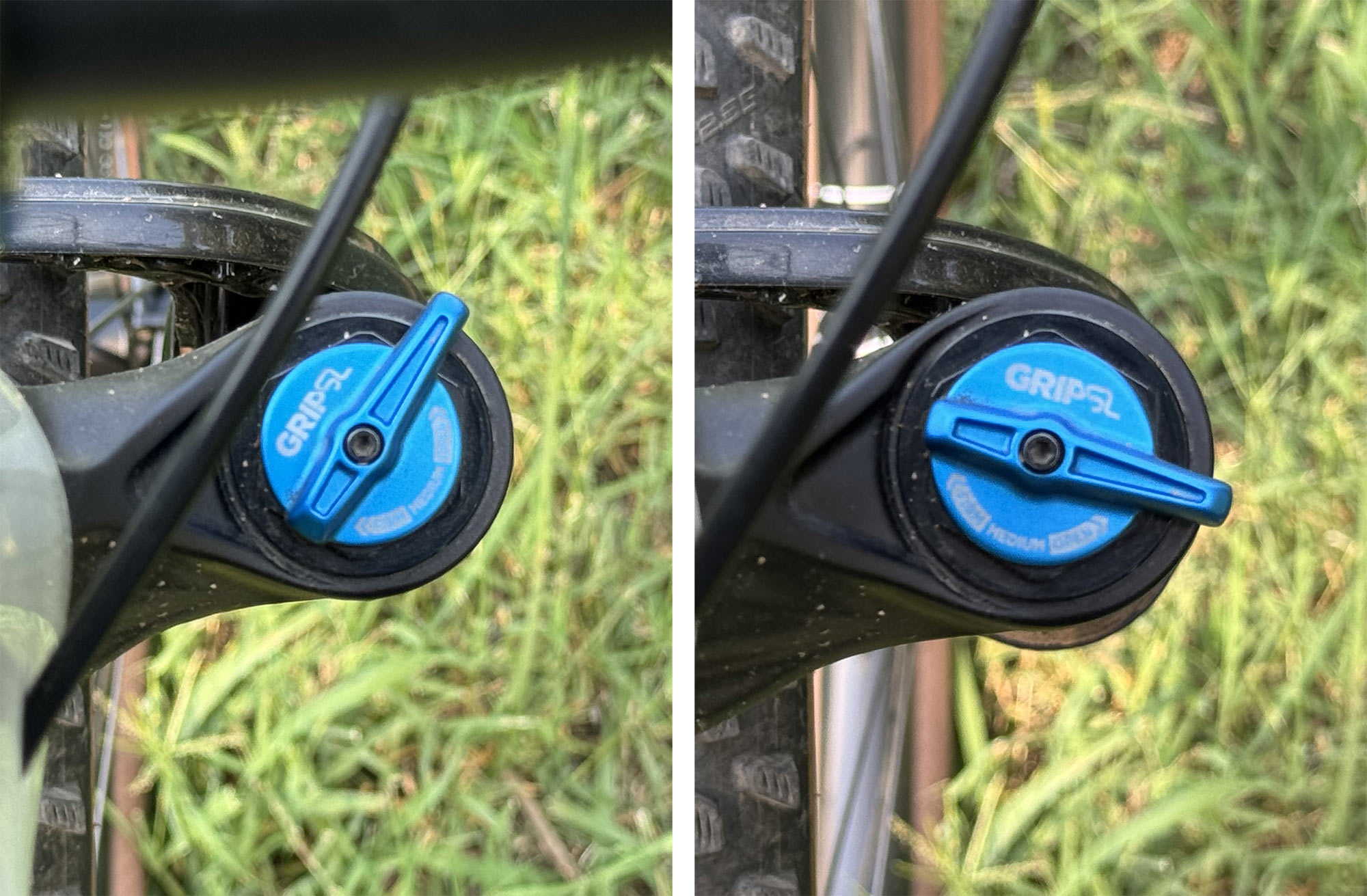
Normally, I want bells and whistles. But with this fork, I have a new appreciation for the simpler solution. While Fox is sorting out its Live Valve solution for XC, the GRIP SL damper is, IMO, the right choice for racers. And everyone else.
It sits between the base GRIP and top-of-the-line GRIP X dampers available on this fork. The latter offering separate high- and low-speed compression adjustments, which is amazing on longer travel forks. But here, with 120mm and 130mm travel options, it’s overkill. Also, GRIP X has no quick way to lockout the fork, something racers will want.
Also, the GRIP SL is about 100g lighter, and designed specifically for this range of travel. Combined with the now-larger negative air spring, it all adds up to a very plush yet performance-focused feel.
Not because I think you should actually lock it out, that’s silly. But because you can put it in the middle Trail mode with a flick of the switch, giving you a firmer platform for standing and hammering without giving up proper suspension performance.
Honestly, it was only recently I started using this, because I figured I should actually test all the features before wrapping up this review. And, I kinda feel like I’ve been missing out. A little.
Normally, I ride my forks wide open, especially around our local XC trails. But, there are a few times when I’ll admit the super plush performance of the 34 SL can feel a little soft when I’m standing and hammering. Flicking it to Trail mode solves that, yet still lets it absorb the roots and rocks to maintain traction. It’s a little firmer, sure, but I think this is the sweet spot for racers who eschew cumbersome things like remote lockouts. Or can’t afford electronic systems if and when they come to Fox’s XC and light trail products.
Speaking of travel, my recommendation is go with 130mm. The forks use travel-specific air springs, so you need to buy a new air spring to change it, but it’s user changeable (or your shop can do it).
My fork came with at 130mm, and I had every intention of getting the parts, swapping down to 120mm. You know, for science.
But even on a bike like the Ari Signal Peak that’s designed for a 120mm fork, the extra travel makes the bike so much more capable and fun, without adversely affecting the handling in any way I’ve noticed. I’ve ridden the Signal Peak as a 120 before, with a SID, which is fantastic, but I’ll take the extra travel all day long.

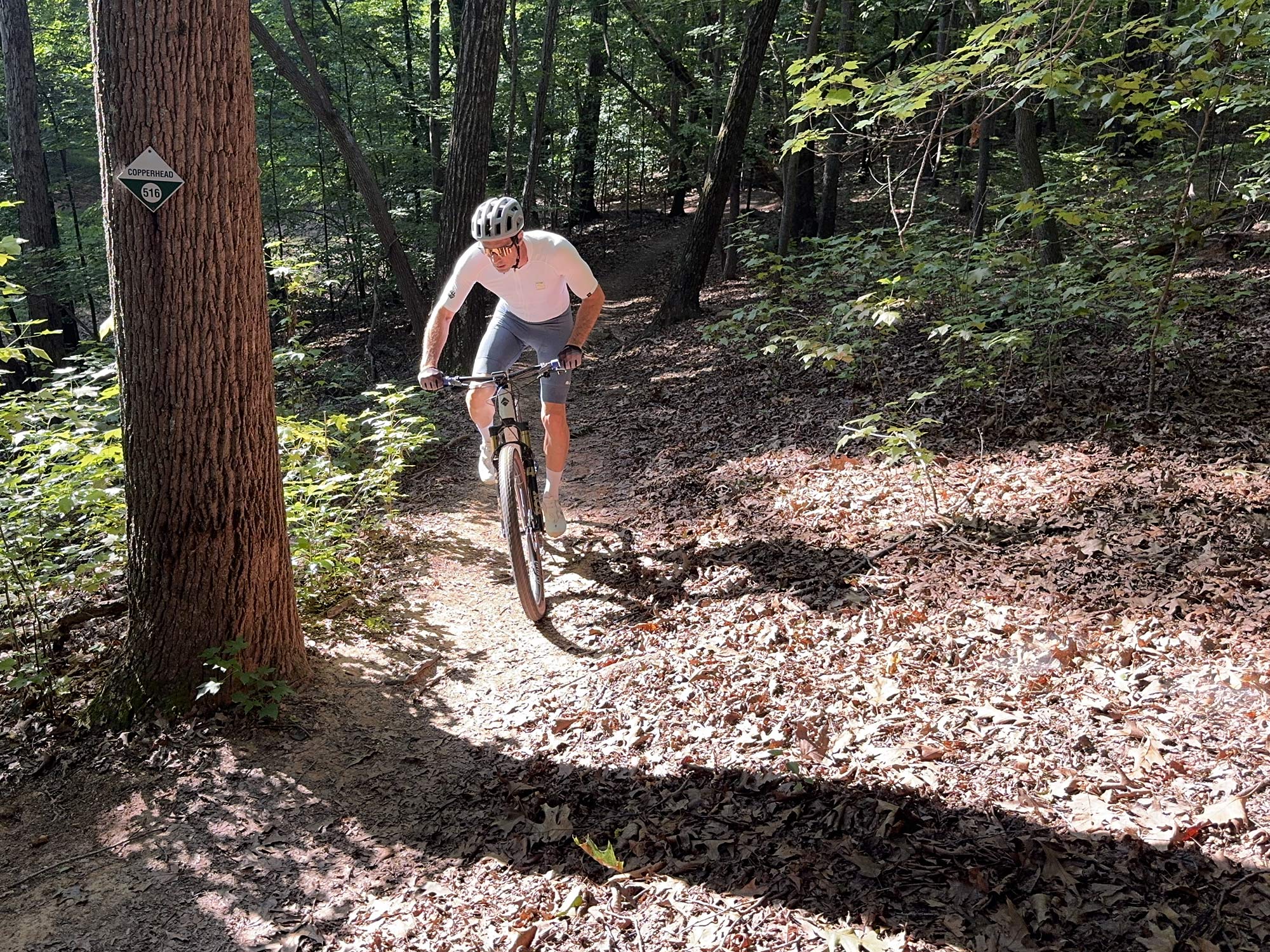
The Fox 34 SL has proven itself on everything from Arizona’s dry, rocky deserts to Iceland’s wet, volcanic gravel, muddy fields, and ample river crossings. And everything in between, including my home trails in North Carolina, complete with mud, roots, and hardpacked orange dirt.
And it’s still feeling fresh, smooth, and rock solid. I’ve even put the ultralight Hunt Proven Carbon UD Race wheels back on it, and it tracks true, suggesting it’s stiff enough to direct lighter wheels (though, those wheels are no slouch…carbon spokes and all, they’re laterally stiff) where you point them.
All in all, this is my current favorite fork for almost everything I ride. Fox continues to impress me with both their technology and design considerations, and the 34 SL is an incredibly good showcase for how they bring better performance to a challenging category that demands both light weight and hyper performance.