The UCI has found another thing to measure. This time, it’s bike computers.
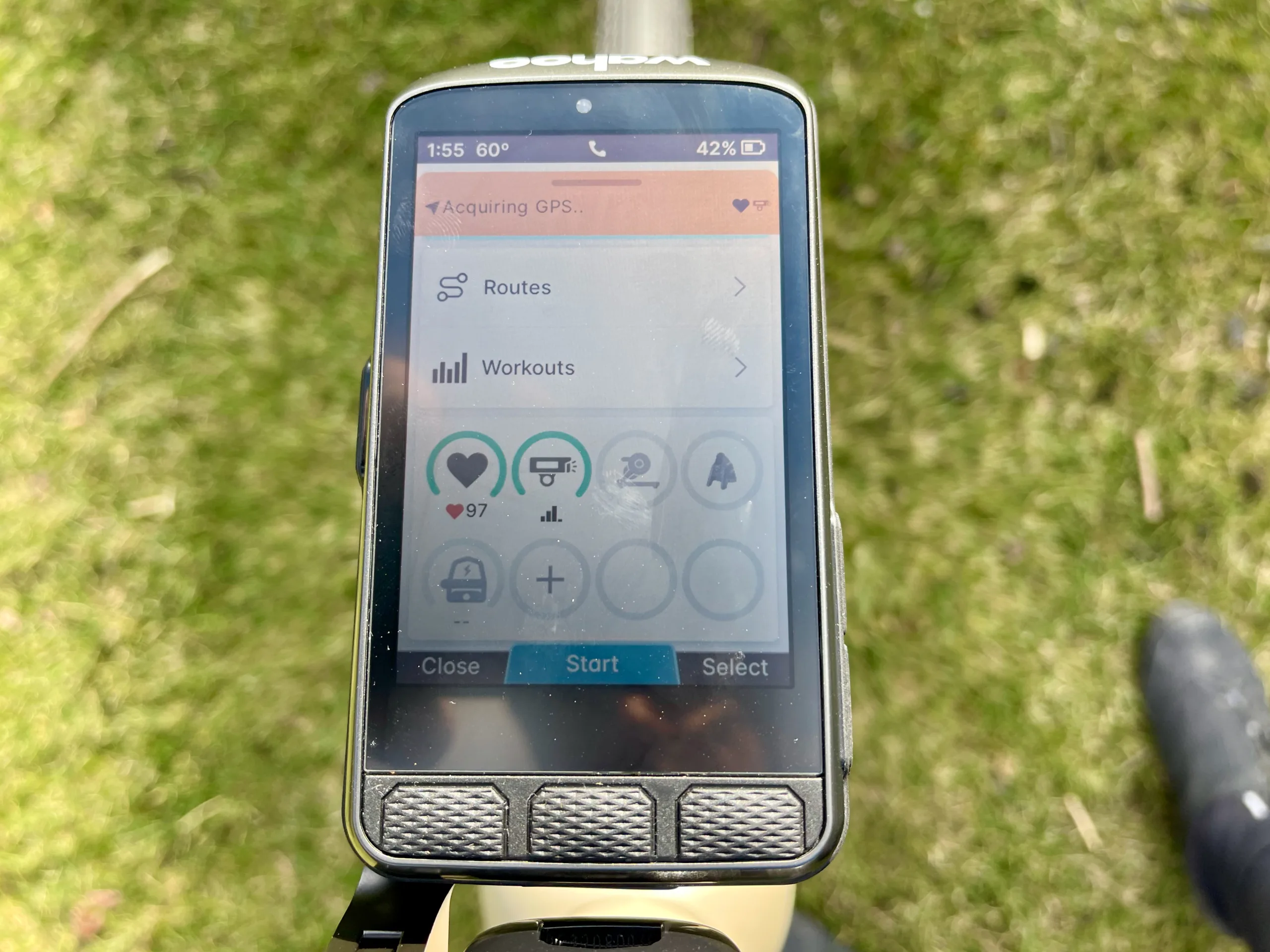
Starting January 1, 2028, in UCI races (not your local races, only UCI ones), pro race head units will be limited to a maximum size of 126 × 71mm.
The UCI’s reasoning? Rider safety and cognitive load.
However, thats not exactly a tiny screen, but what it does is put a hard ceiling on the direction computers have been heading lately: bigger displays, more data, more maps, more alerts from social/phone/WhatsApp, more numbers, more everything.

In normal human speak, riders already have enough to look at while going 60kph in a bunch. They probably don’t need a tablet strapped to the stem showing 19 metrics, a live climb profile, a WhatsApp message from a friend in high school, and their sweat rate blinking in red.
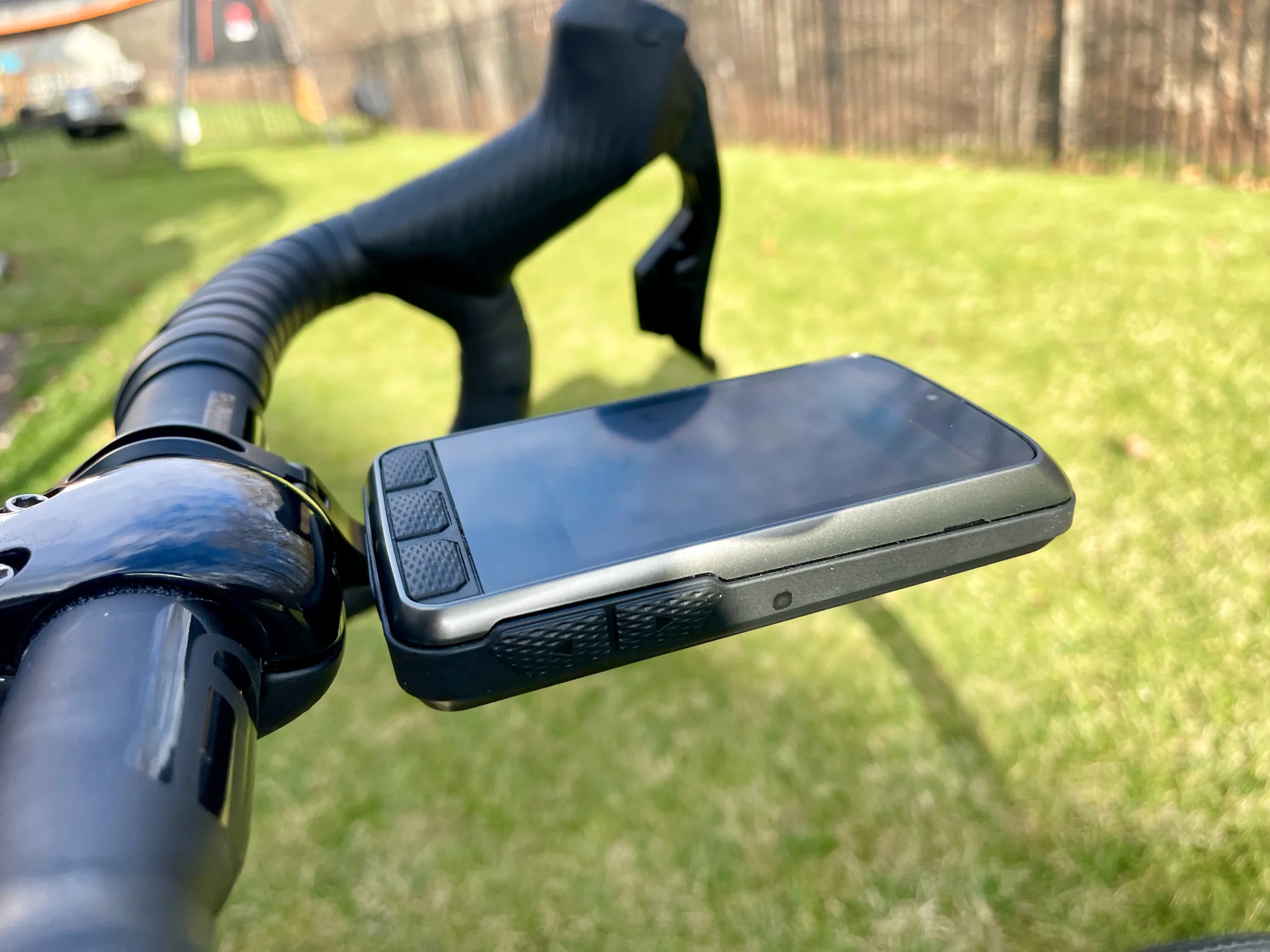
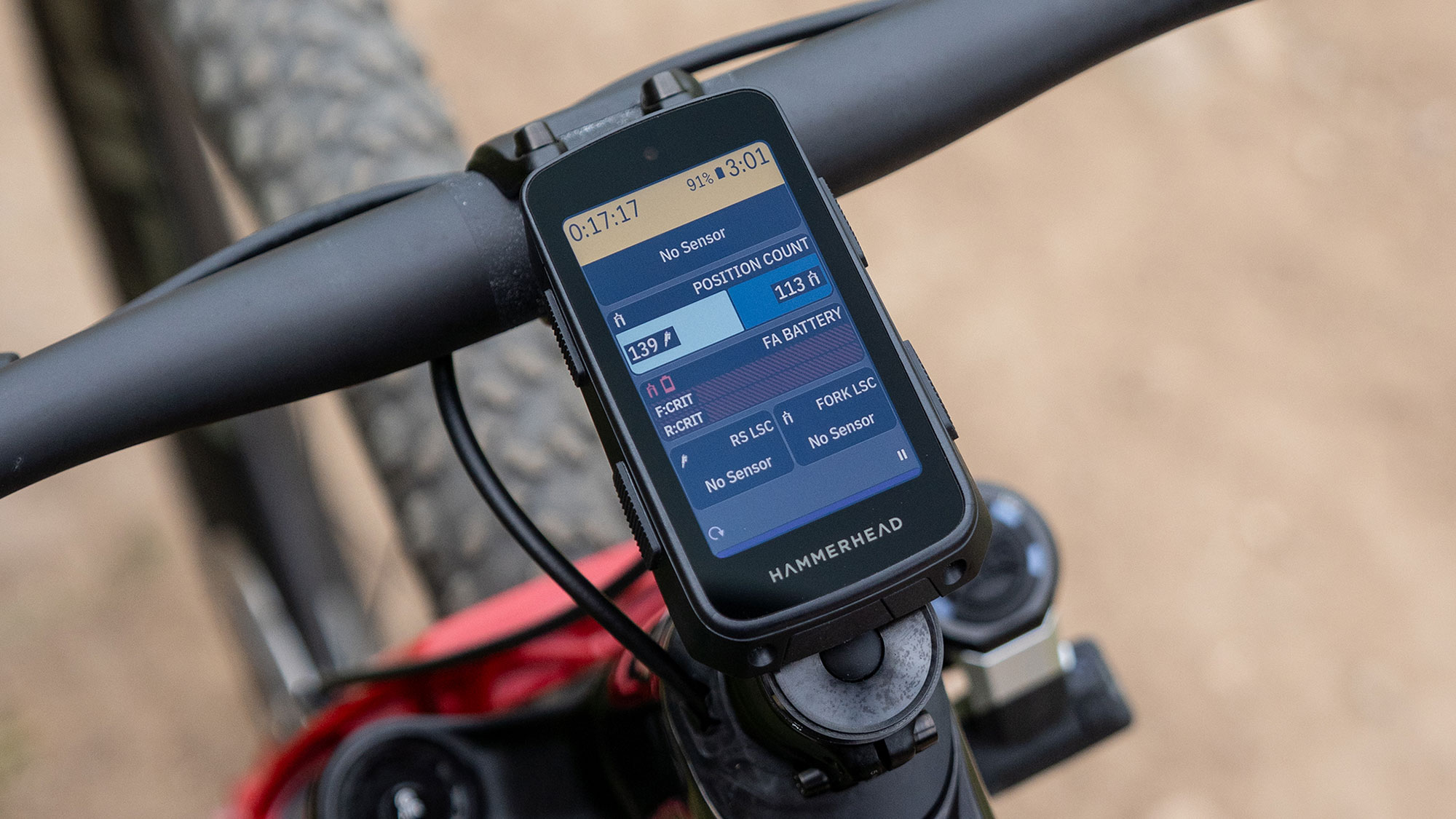
And for those SRAM conspiracy theorists thinking the UCI might have an axe to grind with unfinished gearing restrictions, the Hammerhead Karoo measures a cool 102.8 × 61.66 × 21.1 mm – within the UCI ruling, safe for now.
The End of The Big Head Unit?
This rule doesn’t appear to nuke any of the current big-name computers immediately. Most modern head units fit under the proposed limit. The Wahoo ELEMNT ACE is basically right up against it, which tells you where the UCI drew the line: current big is okay, future bigger is not.
So this isn’t really a ban on today’s tech. It’s a preemptive wall before head units keep creeping toward smartphone size. The UCI is saying, more or less, “That’s enough screen.”
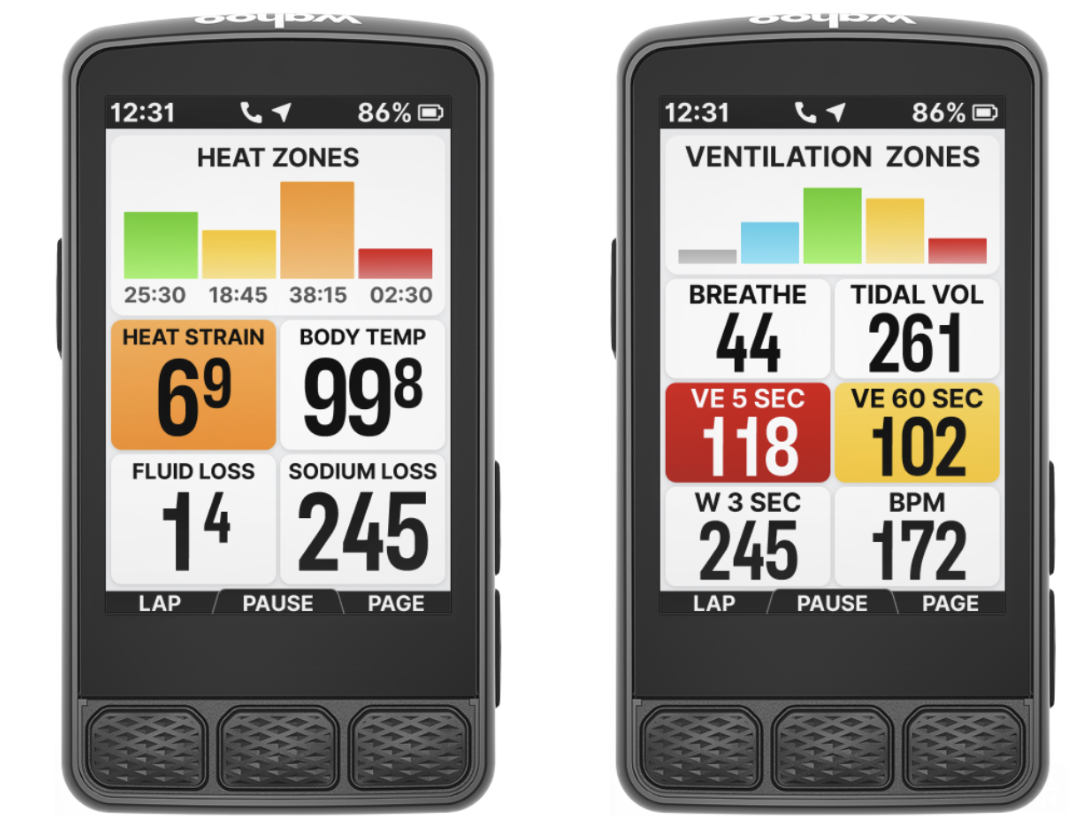
And honestly, you can see how we got here. Bike computers are no longer just speed, distance, and heart rate. They’re navigation devices, power dashboards, climb predictors, weather tools, nutrition timers, gear indicators, live trackers, sensor hubs, and occasionally tiny anxiety rectangles.
Add in modern sensor data: body temperature, sweat rate, hydration info, aero sensors, drivetrain data, and the front of a race bike can start to look like a cockpit. Which, to be fair, is kind of the point. But the UCI is asking whether that cockpit is becoming a distraction.
Is Screen Size Really the Problem?
The UCI says the concern is the amount of data available to riders during competition. More data means more decisions. Wahoo just released a slew of updates with lots of new data sensors, so this could be part of the “too much” they are citing. More decisions mean more mental load and less time thinking about the road ahead.
According to the UCI, increased mental load can contribute to crashes.
But you know what else does? Rushing to put a rider back on their bike, and into the bunch after a crash without having a medical look over them…But I digress.
Fine. That logic tracks (for the computer size), at least in theory.

But does limiting the computer’s physical size actually solve that? Maybe, but maybe not.
A smaller screen can still show plenty of chaos if the software allows it. A larger screen can also make important information easier to read with a quick glance. Anyone who has tried to read tiny turn prompts, tiny power numbers, or tiny route warnings while getting bounced around in a bunch knows that bigger is not automatically more distracting.
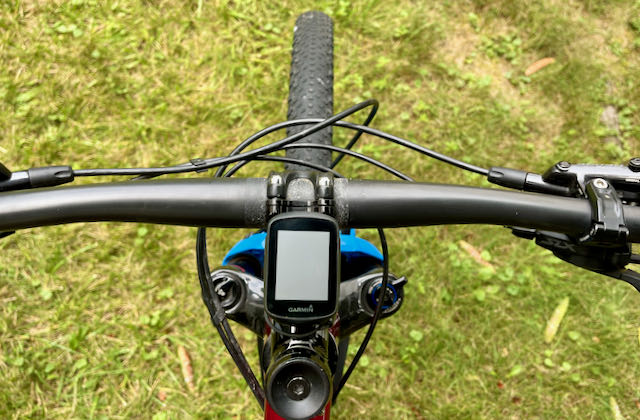
The real question is probably not “How big is the screen?” It’s “What are riders being shown, when are they being shown it, and how much are they expected to process while racing?”
But screen size is easier to regulate than software behavior, data page layout, or team tactics. So here we are.
Glucose and Lactate Still Out
The bike computer rule sits inside the wider conversation around onboard tech. Riders can already display plenty of physiological information, including heart rate, body temperature, and sweat-rate-related data. Glucose and lactate monitoring (such as Supersapiens) remains banned during competition.
That puts computer brands in an interesting place. The next generation of devices will still chase better displays, better battery life, better mapping, better touchscreens, better sensor support, and cleaner software inside a 126 × 71mm box.

Front Jersey Pockets Are Next
The UCI also took aim at another modern aero hack: front jersey pockets.
From July 1, 2026, pockets on the front of jerseys will be banned, except for a possible pocket used only to hold a race radio.

Teams and riders have been playing with front-loaded nutrition, radio placement, hydration bladders, and body-shaping tricks for a while.
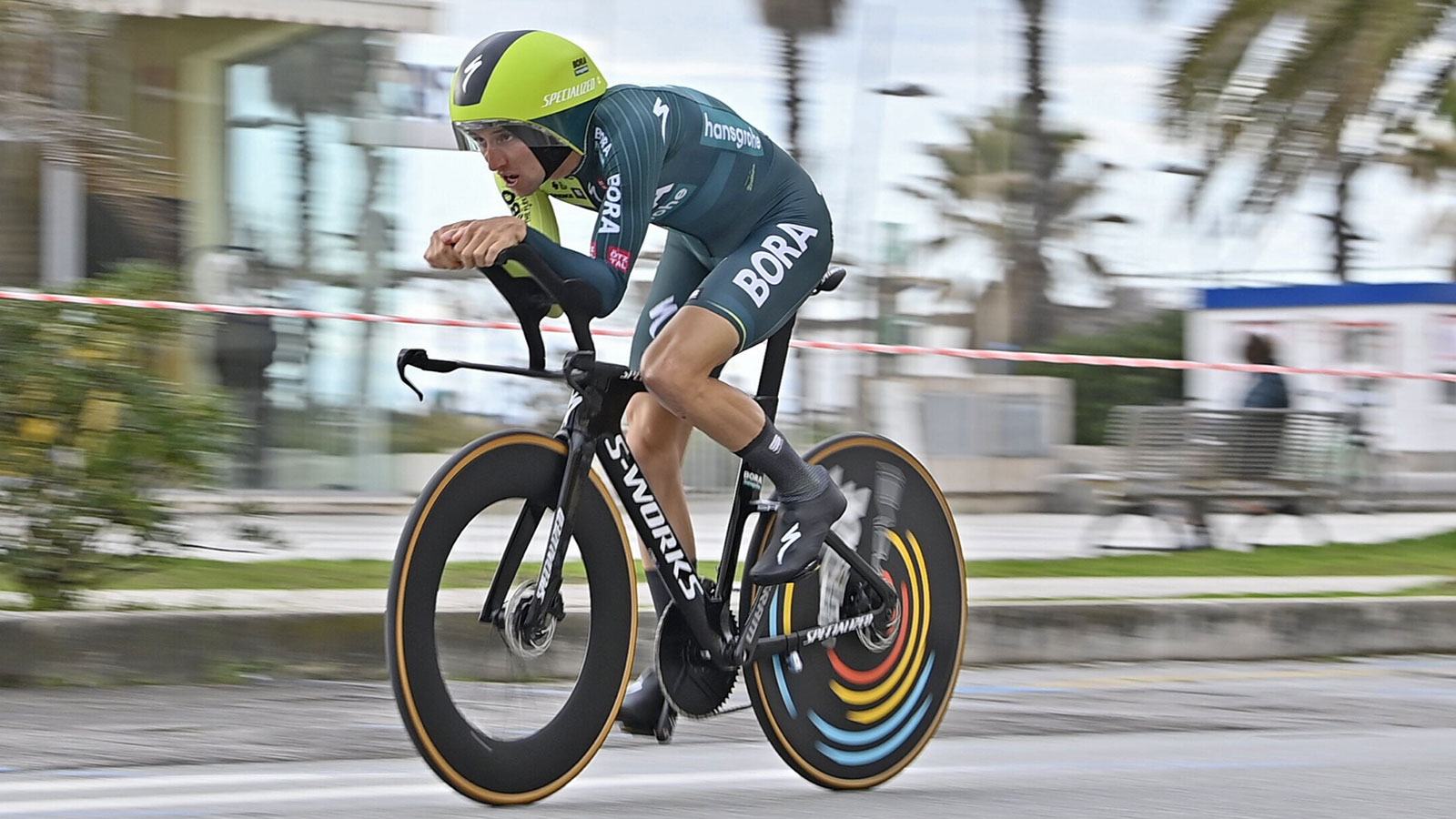
Why? Stuffing the front pocket can change the rider’s torso shape and sometimes make airflow separate more cleanly around the body. That can reduce drag. The UCI says it has seen riders using internal front pockets filled with nutrition products that were difficult, or basically impossible, to access during racing. Translation: the snacks were not really snacks. They were shape modifiers.
The result? Pockets go on the back, as intended for cycling. Unless it’s for a radio.
More Fines, More Penalties
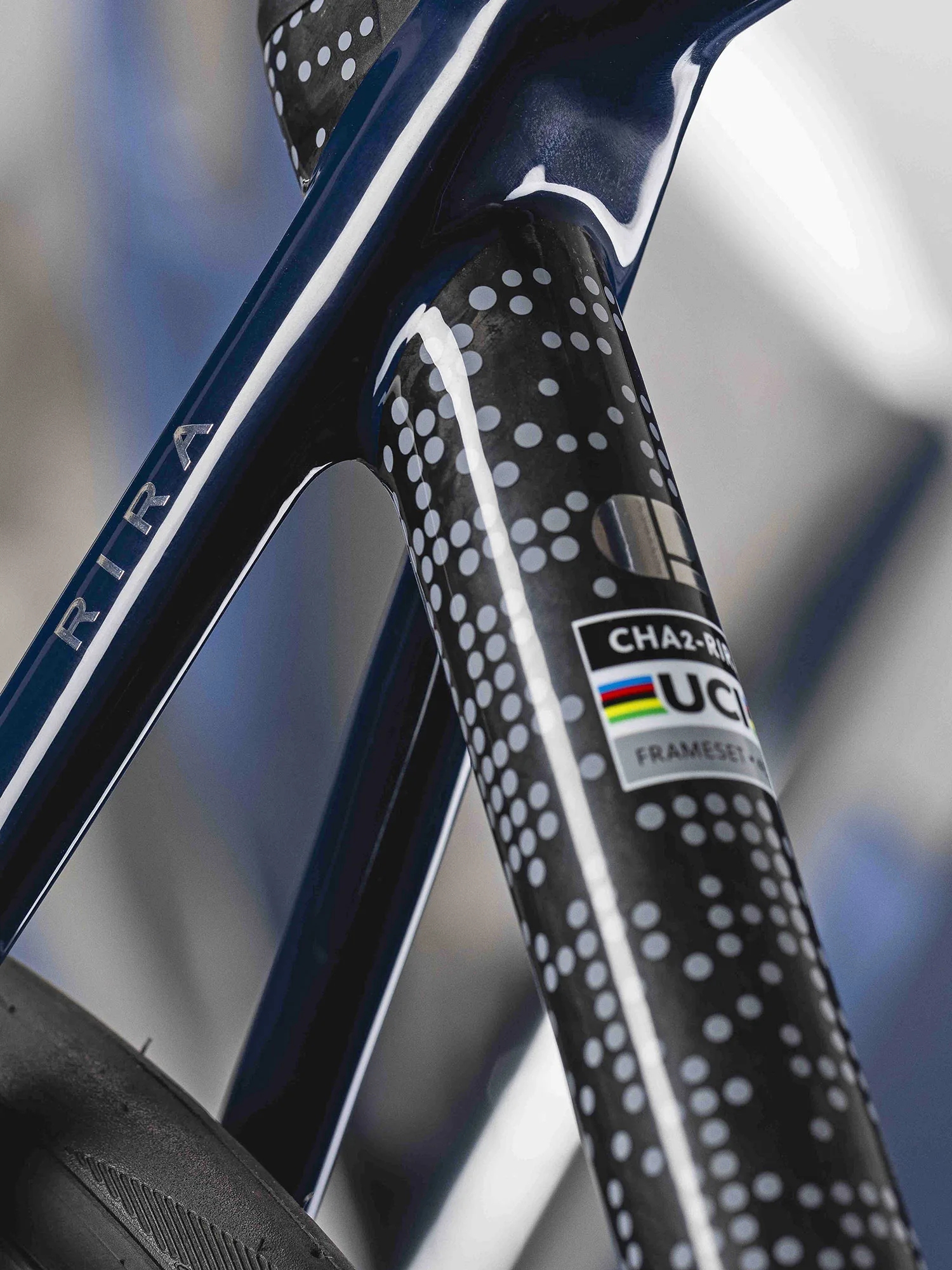
The UCI is also updating sanctions around non-compliant accessories and equipment. That means fines and sporting penalties can be applied more consistently when riders or teams show up with gear that doesn’t meet the rules.
That’s probably the part teams care about most. A new equipment rule is one thing. A new equipment rule with actual consequences is another.
For manufacturers, the computer-size timeline gives some breathing room. A January 2028 start date means brands can adjust future designs without immediately scrambling. For clothing brands and teams, the front-pocket ban lands much sooner, right before the summer racing block.
What’s Next?
The bike computer size cap is classic UCI: partly reasonable, partly weird, and very measurable.
There’s a real conversation to have about rider distraction. There’s also a real conversation to have about course safety, race radios, motos, road furniture, downhill sprint finishes, and the thousand other things that make modern racing sketchy before anyone even looks down at a head unit.
But the UCI can measure a computer. So the computer gets measured, just like the socks
Let’s see what happens at the 2026 Tour de Suisse (June 17 to June 21, 2026), and we can play “guess the fines” together.
The post UCI Says Bike Computers Are Big Enough, Moves to Cap Head Unit Size appeared first on Bikerumor.