Wahoo’s latest launch is not a new ELEMNT computer, trainer, or heart rate strap. This one is all software. The updated Wahoo App is the brand’s next step toward a broader training platform for cyclists and runners, with workouts, training data, athlete profiling, performance insights, and device connections living in one place.
Wahoo – All Your Training In One Place
For longtime Wahoo users, that is a shift. The app has mostly been the place you go to pair devices, manage sensors, sync rides, and keep the hardware talking. Wahoo is now putting more training weight on the app itself. The company says the platform has grown over the last year with new training insights, athlete intelligence features, running tools, and third-party integrations.
That direction is not surprising. Wahoo already has the hardware side: ELEMNT computers, KICKR trainers, heart rate monitors, sensors, and indoor training tools. The updated app is aimed at what happens around the workout: planning, tracking, interpreting, and figuring out what to do next. It’s what Wahoo has been missing for years, and now users will finally have an ecosystem to manage training stress and other activities besides cycling.
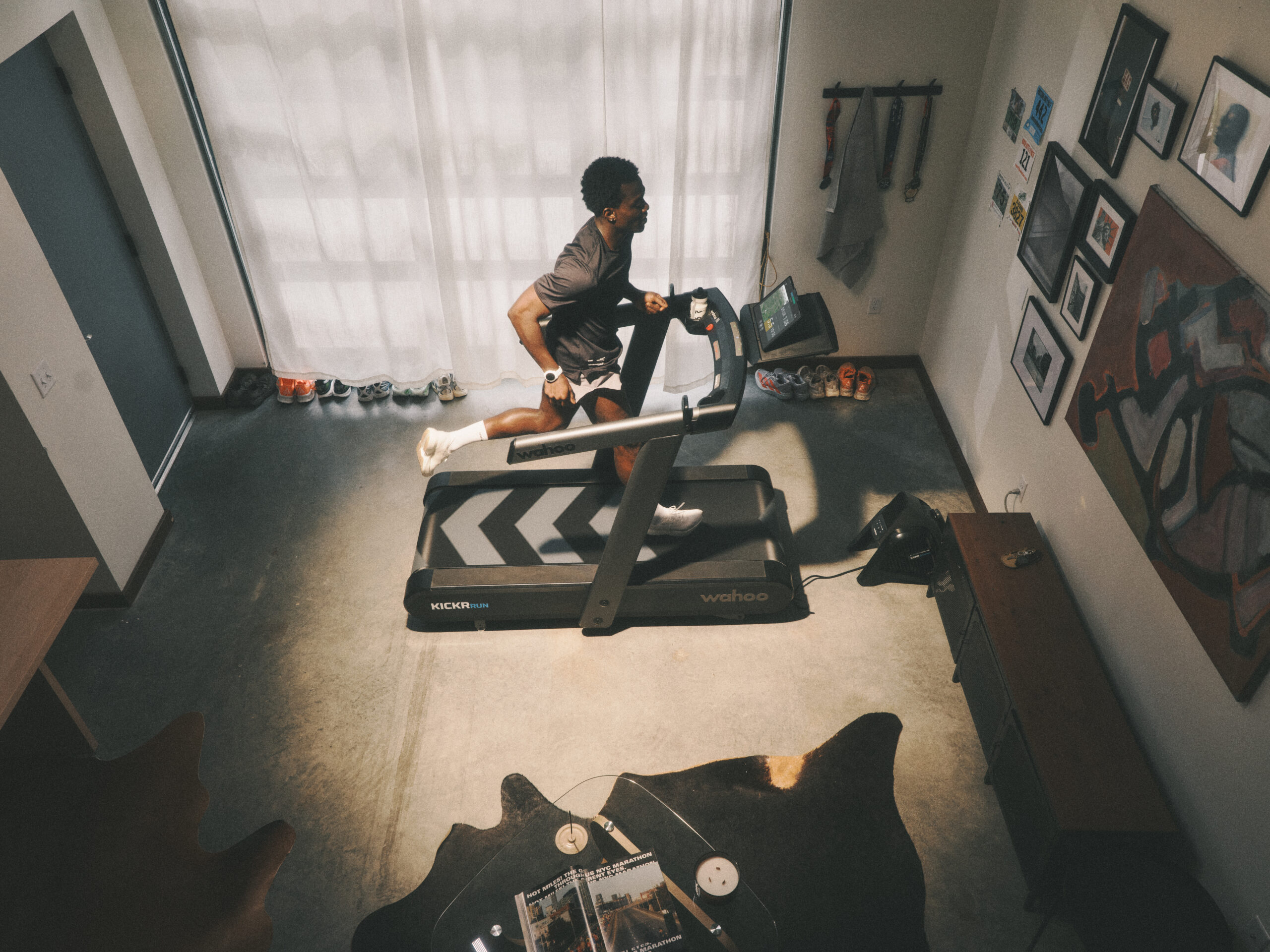
Running Gets a Real Seat at the Table
The headline training feature is Three-Dimensional Pace, or 3DP. It is Wahoo’s running-side answer to Four-Dimensional Power, the cycling profile system better known as 4DP.
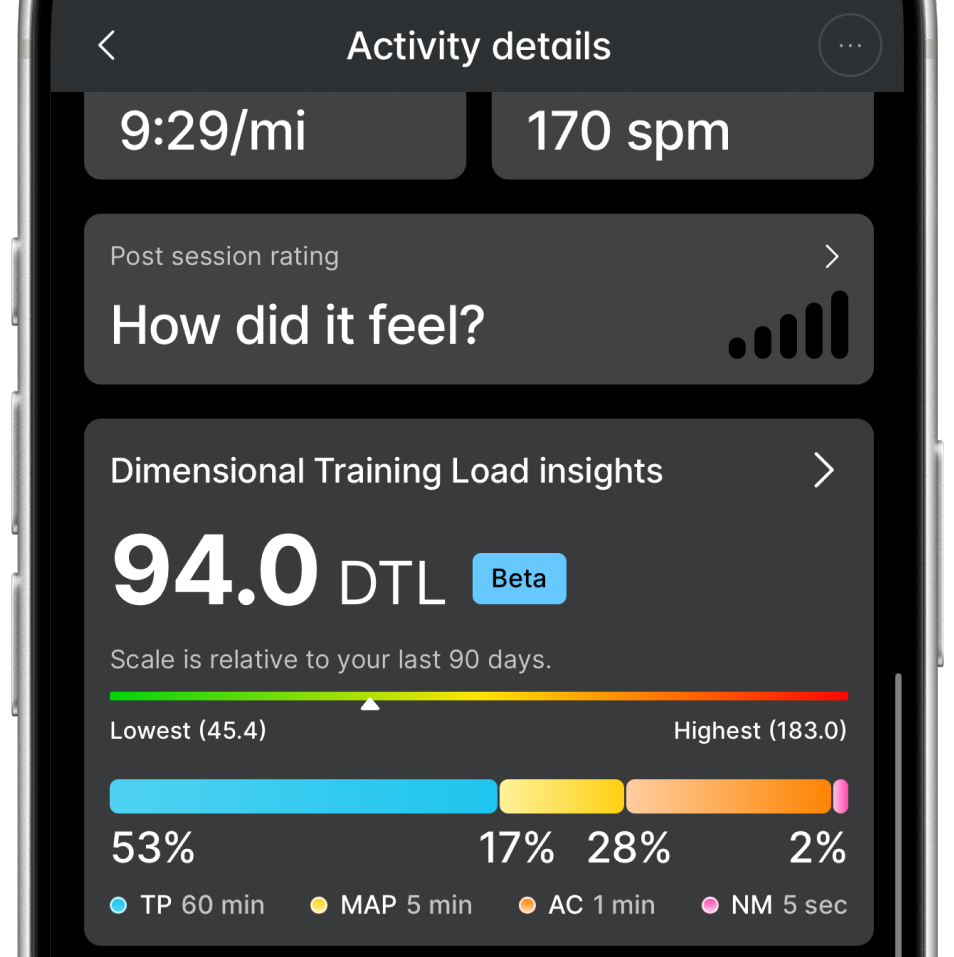
Instead of building running guidance around one pace number, 3DP looks at three speed-based metrics: Threshold Pace, Maximal Aerobic Pace, and Anaerobic Capacity. The goal is to give runners a better idea of what kind of athlete they are and what kind of work they need, rather than treating every runner with the same pace chart.
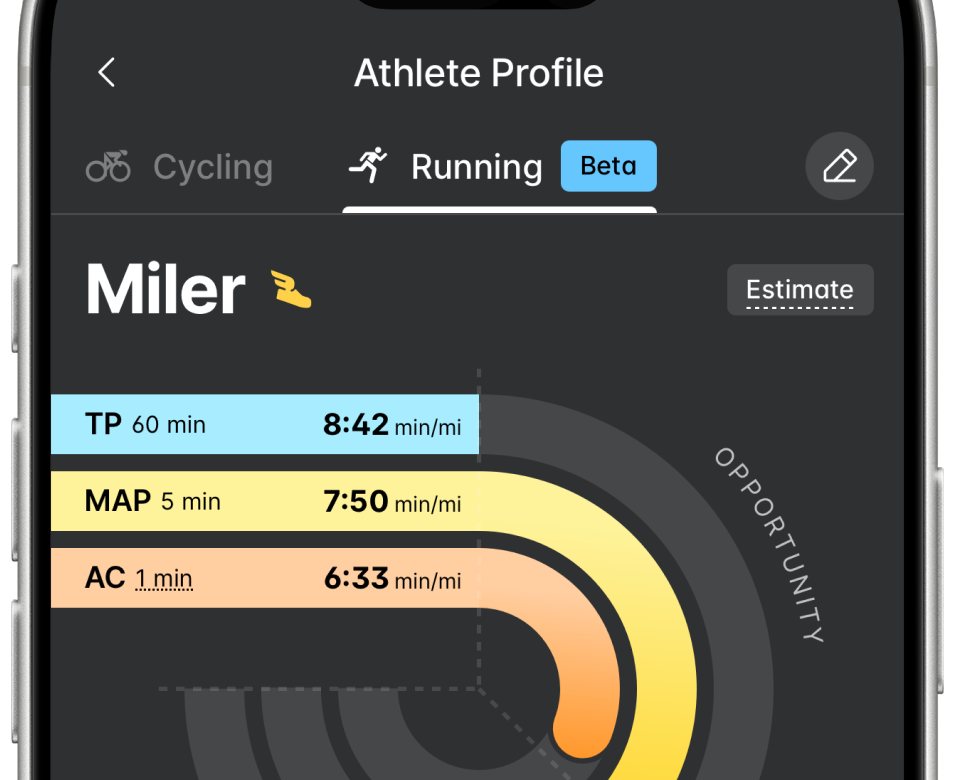
That is an important addition if Wahoo wants the app to work for more than bike-only athletes. Plenty of riders run, especially in the off-season, for triathlon, or when life makes it easier to lace up than kit up. Until now, Wahoo’s training identity has leaned heavily toward cycling. 3DP gives running more structure inside the same ecosystem.
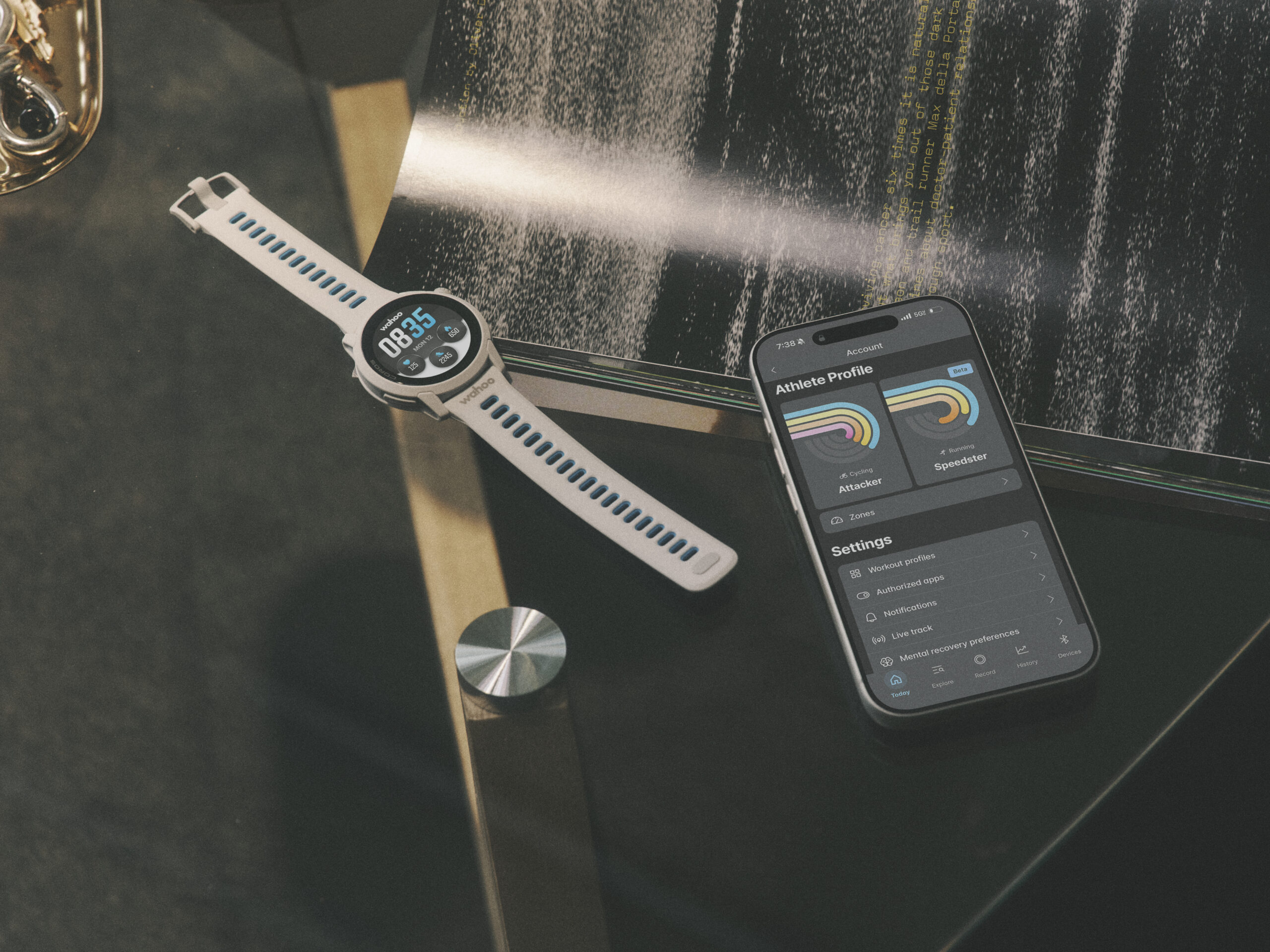
COROS Integration
Wahoo also points to a recent integration with COROS, giving runners another way into the platform. Wahoo had a watch for a brief moment, but it’s now a memory. COROS has a strong foothold with runners and triathletes, while Wahoo’s base is still heavily cycling-focused. Bringing the two closer together makes sense, especially for athletes who train with a Wahoo bike computer and a COROS watch.
SYSTM Still Matters
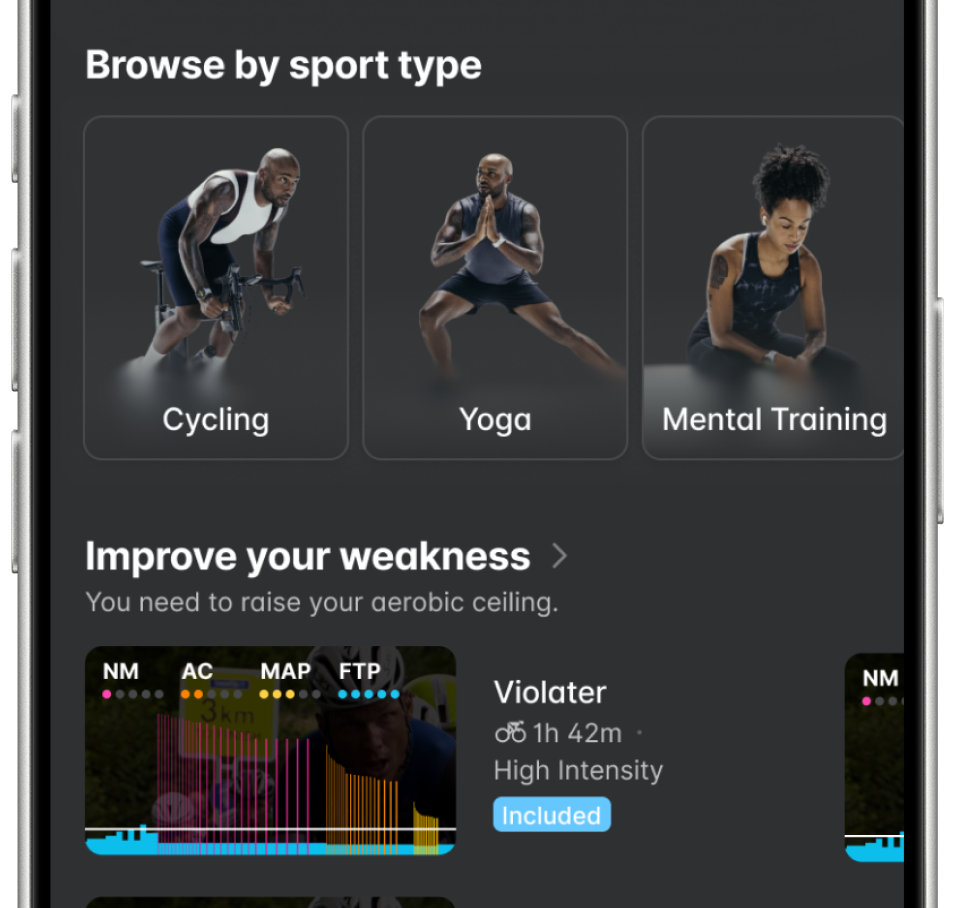
The Wahoo SYSTM remains a major piece of the new training setup. The updated platform includes strength, yoga, mobility, recovery, and mental training sessions through SYSTM, all meant to support endurance performance beyond just riding or running harder.
That part is smart. Most riders know they should be doing more than intervals and long rides. Fewer actually build strength, mobility, and recovery into the week. Keeping those tools inside the Wahoo platform gives the Pro tier more value than just another workout calendar. Oh, and now there are tiers…and subscriptions.
Wahoo Subscription Tiers
Wahoo is also changing how athletes access the app. The new setup has three tiers: Base, Core, and Pro (you can check them out here).
- Base is included at no cost with compatible Wahoo hardware. It covers the essentials: workout recording, app integration, route planning, live tracking and sharing, and device connectivity.
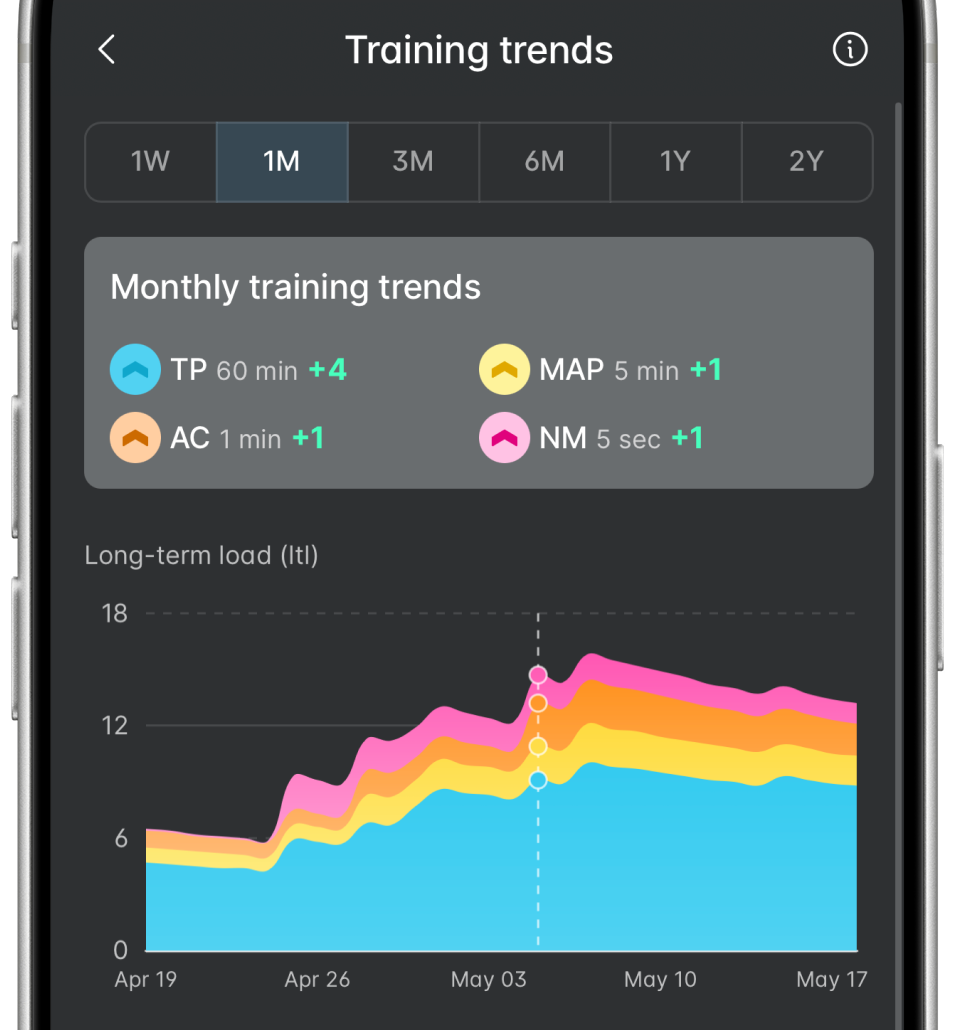
- Core is aimed at self-guided athletes who want more training information without jumping into the full plan library. It costs $4.99 / €4.99 / £4.99 per month, or $49.99 / €49.99 / £49.99 per year. Core adds training insights and trends, performance analytics, training load and fitness tracking, indoor and outdoor workouts, and activity tracking history.
- Pro is the top tier. It costs $17.99 / €17.99 / £14.99 per month, or $179.99 / €179.99 / £149.99 per year. Pro includes everything in Core, plus unlimited access to the SYSTM App, daily workout recommendations, structured training plans, immersive video workouts, strength, yoga, mobility, recovery, and mental training.
What Is Wahoo Really Doing Here?
Wahoo CEO Gareth Joyce says the goal is to turn complex sports science into clear training insights, helping athletes understand workouts, track progress, and make better training decisions… It’s very similar to what Garmin has with Garmin Connect and its AI training module. The goal is to better equip athletes for the days ahead and not blindly train into a hole. Thats not a bad thing for anyone, but AI isn’t a great substitute for a real coach; it can be a start in the right direction.
That is the sales line, but the product direction is clear. Wahoo wants the app to do more than collect ride files. It wants to be the place riders and runners check before the workout, during the plan, and after the data comes in. I can imagine a social element coming later and this being a place where riders can share info and ride data, routes, etc.
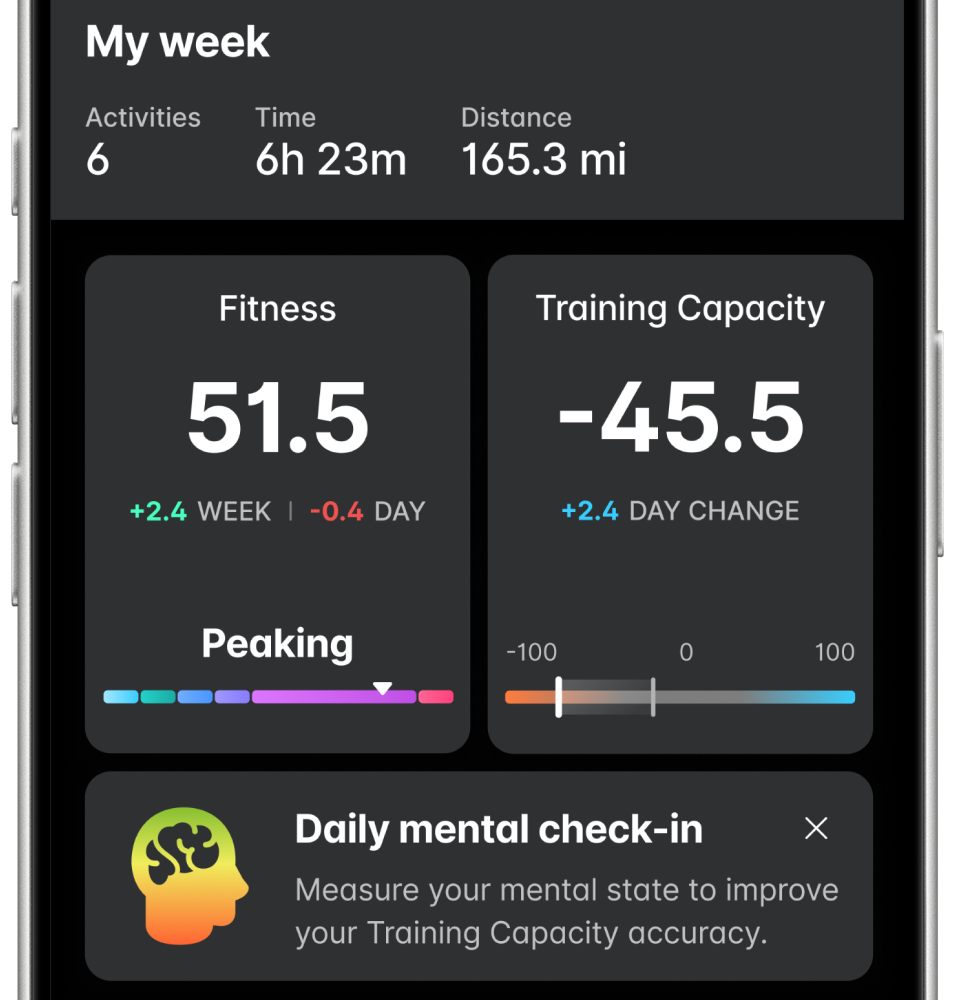
The tricky part is subscription fatigue. Cyclists already have plenty of monthly payments floating around: indoor training, mapping, coaching, analysis tools, music, video, and maybe a few they forgot to cancel. For Core and Pro to work, the app needs to make training easier to understand, not just put more charts behind another login.
Still, Wahoo has useful pieces to build from. 4DP has been around for years. SYSTM already has a deep workout library. The hardware base is strong. Adding 3DP gives runners a more serious training profile, and COROS support helps Wahoo reach athletes who are not fully inside the Wahoo hardware world.
This is not the flashiest Wahoo launch, but it may be one of the more important ones. The brand is no longer just trying to record the ride and send it to Training Peaks (now owned by Garmin), Strava, MapMy… or any of the other third-party apps out there. Wahoo wants you to make the updated SYSTM app your new training hub, and it’s looking pretty convincing so far.